Why It Matters
A $1.2 trillion commitment would strain the U.S. defense budget, potentially diverting funds from existing missile‑defense programs and broader security needs.
Key Takeaways
- •CBO projects $1.2 trillion cost over 20 years.
- •Original Trump estimate was $175‑185 billion.
- •System would cover continental US, Alaska, Hawaii.
- •Even at $1.2 trillion, cannot stop large‑scale Russia/China attack.
- •Funding would compete with Patriot and THAAD interceptor production.
Pulse Analysis
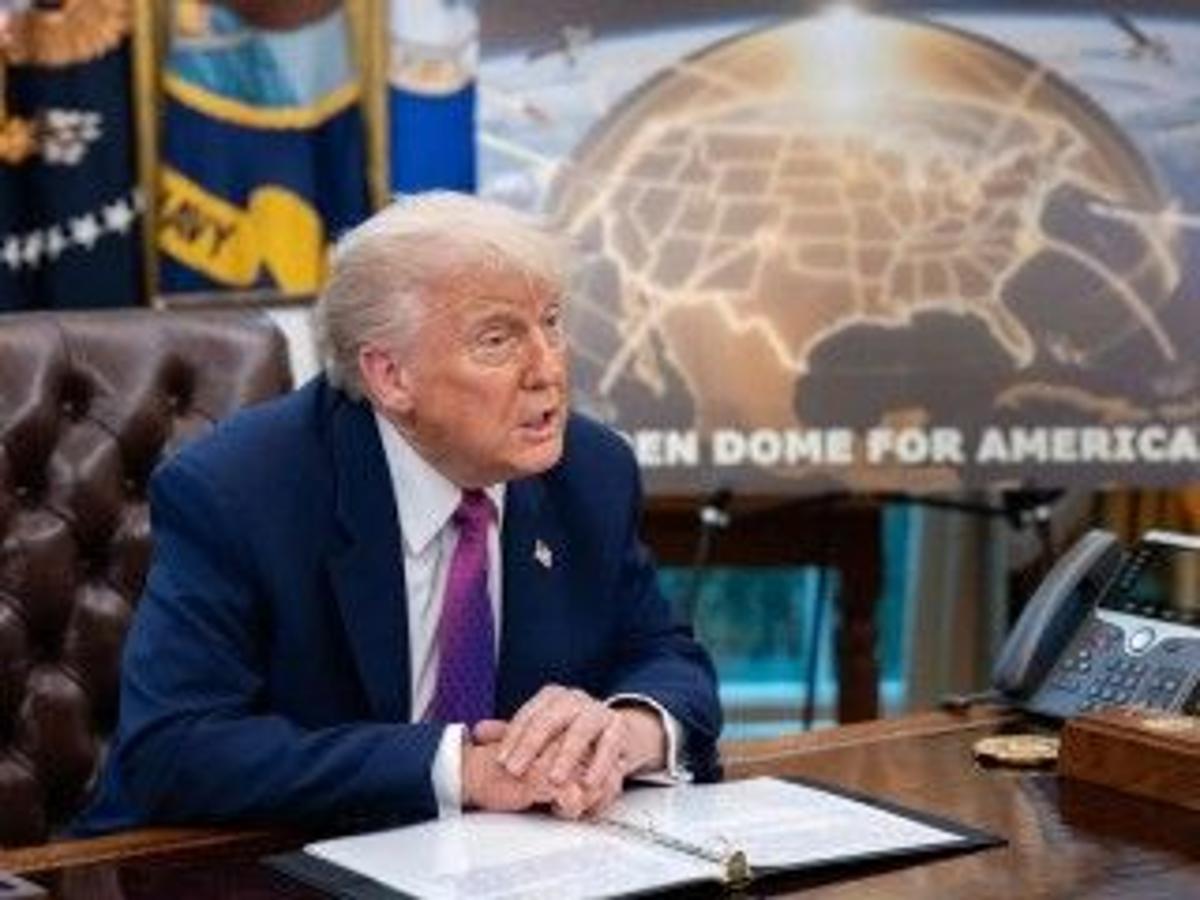
The Golden Dome proposal, championed as a hallmark of Trump’s defense agenda, has morphed from a $175‑185 billion promise into a CBO‑projected $1.2 trillion undertaking. This escalation reflects not only broader scope—adding space‑based assets and layered interceptors—but also the difficulty of quantifying a system that has never been fielded at such scale. By juxtaposing the administration’s optimistic figure with the CBO’s rigorous analysis, policymakers are forced to confront the fiscal reality of a project that could eclipse the entire annual defense budget of many allied nations.
Strategically, the envisioned shield would blanket the continental United States, Alaska and Hawaii, targeting ballistic, hypersonic and cruise missiles. Yet experts caution that even a fully funded Golden Dome would fall short against a coordinated, large‑scale barrage from great powers like Russia or China. Moreover, the program would compete for production capacity with existing Patriot and THAAD interceptors, which are already stretched thin by ongoing operations and commitments to allies in the Indo‑Pacific. This resource clash could erode current readiness and undermine other critical defense initiatives.
From a fiscal perspective, allocating $1.2 trillion over twenty years would reshape the Pentagon’s spending priorities, potentially curtailing investments in cyber warfare, unmanned systems, and naval modernization. Lawmakers must weigh the political allure of a high‑visibility homeland defense project against the opportunity cost of sidelining other capabilities. As the debate unfolds, alternatives such as incremental upgrades to existing missile‑defense layers or greater reliance on allied contributions may emerge as more cost‑effective pathways to bolster national security.
Trump’s Golden Dome hits $1.2 trillion
Comments
Want to join the conversation?
Loading comments...