Defense News and Headlines
  • All Technology
  • AI
  • Autonomy
  • B2B Growth
  • Big Data
  • BioTech
  • ClimateTech
  • Consumer Tech
  • Crypto
  • Cybersecurity
  • DevOps
  • Digital Marketing
  • Ecommerce
  • EdTech
  • Enterprise
  • FinTech
  • GovTech
  • Hardware
  • HealthTech
  • HRTech
  • LegalTech
  • Nanotech
  • PropTech
  • Quantum
  • Robotics
  • SaaS
  • SpaceTech
AllNewsDealsSocialBlogsVideosPodcastsDigests

Defense Pulse

EMAIL DIGESTS

Daily

Every morning

Weekly

Sunday recap

NewsDealsSocialBlogsVideosPodcasts
DefenseNewsTrump's Greenland Grab Is Part of a New Space Race – and the Stakes Are Getting Higher
Trump's Greenland Grab Is Part of a New Space Race – and the Stakes Are Getting Higher
AerospaceSpaceTechDefense

Trump's Greenland Grab Is Part of a New Space Race – and the Stakes Are Getting Higher

•February 15, 2026
0
Space.com
Space.com•Feb 15, 2026

Why It Matters

Control of Greenland could concentrate space‑surveillance power, reshaping the balance between national security and the concept of space as a global commons. The situation forces policymakers to confront outdated treaties amid rapid commercial and geopolitical change.

Key Takeaways

  • •Greenland offers ideal polar launch conditions.
  • •US seeks control of Thule for space surveillance.
  • •Outer Space Treaty outdated for private mega‑constellations.
  • •Arctic tensions threaten global space governance.
  • •Greenland's strategic value may boost independence push.

Pulse Analysis

Greenland’s unique geography places it at the nexus of the burgeoning commercial launch market and traditional military surveillance. The island’s high latitude shortens the energy required to reach polar and sun‑synchronous orbits, a coveted niche for satellite constellations that power global communications, Earth observation, and navigation services. As launch cadence accelerates, operators are scouting new sites to alleviate congestion at established ports, and Greenland’s vast, sparsely populated terrain offers a low‑risk, high‑value alternative that could reshape launch logistics.

The legal backdrop, however, is increasingly misaligned with reality. The 1967 Outer Space Treaty assumes a world dominated by two superpowers and a modest number of state‑run satellites. Today’s landscape features private megaconstellations, lunar tourism ambitions, and plans for asteroid mining—activities the treaty never envisioned. Moreover, the treaty does not address how terrestrial footholds like Thule Air Base can confer disproportionate orbital monitoring capabilities. This gap fuels calls for a modernized framework that balances commercial innovation with equitable access, while preventing any single nation from monopolizing the “eyes in the sky.”

Geopolitically, Greenland sits on a fault line where Arctic sovereignty disputes intersect with space strategy. The United States views expanded control as a means to secure a strategic edge, while Denmark and Greenlandic leaders weigh the benefits against the risk of becoming a pawn in great‑power competition. The paralysis of the Arctic Council and the slow response of the UN Committee on the Peaceful Uses of Outer Space underscore the urgency for coordinated governance. For Greenlanders, the stakes are personal: heightened strategic importance could translate into economic opportunities or, conversely, increased vulnerability, potentially fueling a push for greater autonomy or independence. The evolving Arctic‑space nexus thus serves as a bellwether for the future of international law in an era where Earth‑bound territories directly influence extraterrestrial domains.

Trump's Greenland grab is part of a new space race – and the stakes are getting higher

Space law in a vacuum

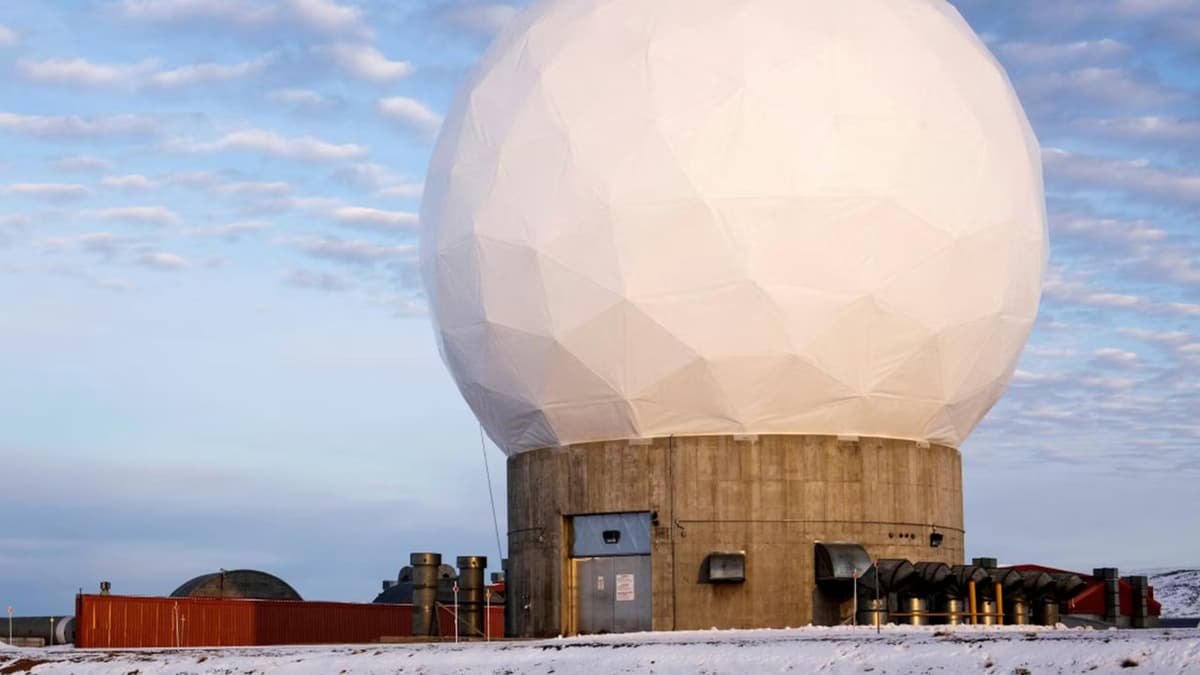
Trump has leaned hard into this logic. He's repeatedly praised Thule as one of the most important assets for watching what happens above the Earth, and has urged the US to “look at every option” to expand its presence.

Whether by force, payment or negotiation, the core message hasn't changed: Greenland is central to America's Arctic and space ambitions.

This is not just about military surveillance. As private companies launch rockets at record pace, Greenland's geography offers something rare – prime launch conditions.

High‑latitude sites are ideal for launching payloads into polar‑ and sun‑synchronous orbits. Greenland's empty expanses and open ocean corridors make it a potential Arctic launch hub. With global launch capacity tightening due to fewer available sites and access problems, the island is suddenly premium real estate.

But American interest in Greenland is rising at the same time as the post‑war “rules‑based international order” has proved increasingly ineffective at maintaining peace and security.

Space law is especially vulnerable now. The 1967 Outer Space Treaty was built for a world of two superpowers (the US and Soviet Union) and only a few satellites, not private satellite mega‑constellations, commercial lunar projects, or asteroid mining.

It also never anticipated that Earth‑based sites such as Thule/Pituffik would decide who can monitor or dominate orbit.

As countries scramble for strategic footholds, the treaty's core principles are being pushed to breaking point. Major powers now treat both the terrestrial and orbital realms less like global commons and more like strategic assets to control and defend.

Greenland as warning sign

Greenland sits squarely on this fault line. If the US were to expand its control over the island, it would command a disproportionate share of global space‑surveillance capabilities. That imbalance raises uncomfortable questions.

How can space function as a global commons when the tools needed to oversee it are concentrated in so few hands? What happens when geopolitical competition on Earth spills directly into orbit?

And how should international law adapt when terrestrial territory becomes a gateway to extraterrestrial influence? For many observers, the outlook is bleak. They argue the international legal system is not evolving but eroding.

The Arctic Council, the leading intergovernmental forum promoting cooperation in the Arctic, is paralysed by geopolitical tensions. The United Nations Committee on the Peaceful Uses of Outer Space can't keep pace with commercial innovation. And new space laws in several countries increasingly prioritise resource rights and strategic advantage over collective governance.

Greenland, in this context, is not just a strategic asset; it's a warning sign.

For Greenlanders, the stakes are immediate. The island's strategic value gives them leverage, but also makes them vulnerable. As Arctic ice melts and new shipping routes emerge, Greenland's geopolitical weight will only grow.

Its people must navigate the ambitions of global powers while pursuing their own political and economic future, including the possibility of independence from Denmark.

What started as a political curiosity now exposes a deeper shift: the Arctic is becoming a front line of space governance, and the laws and treaties designed to manage this vast icy territory and the space above it are struggling to keep up.

The old Thule Air Base is no longer just a northern outpost; it's a strategic gateway to orbit and a means to exert political and military power from above.

Read Original Article
0

Comments

Want to join the conversation?

Loading comments...