Trump’s Last Japanese Diehard Fans Lose Faith as Iran War Chaos Spreads
Why It Matters
Eroding support for Trump in Japan undermines a key security partnership and raises trade uncertainty, pressuring both governments to reassess bilateral commitments.
Key Takeaways
- •Japanese poll: only 5.9% view Trump policies positively.
- •Trump’s Iran conflict raises food and fuel prices in Japan.
- •Threat to withdraw 5,000 troops fuels Japan security worries.
- •Anti‑Trump protests in Tokyo attract up to 50,000 demonstrators.
- •Japanese firms cite tariffs and geopolitical risk hurting trade.
Pulse Analysis
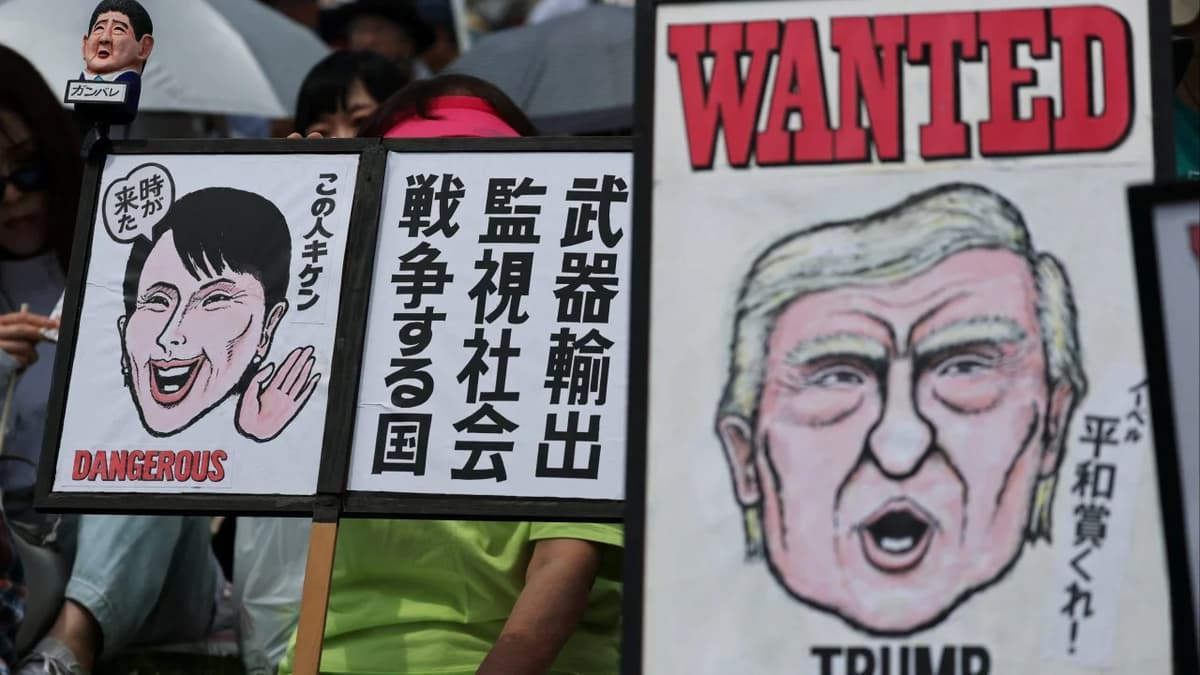
Donald Trump’s second term has dramatically altered Japan’s perception of the U.S. partnership. A Yahoo! News poll shows only 5.9 % of respondents rating his policies as “very good,” while more than 80 % label them “very bad.” The sharp decline follows a series of foreign‑policy moves that many Japanese conservatives once welcomed—expanded trade talks and a promise of a stronger security umbrella. The escalation of the Iran conflict, combined with Trump’s rhetoric about pulling 5,000 troops from Germany, has turned optimism into anxiety, prompting a wave of public criticism and street protests.
The economic fallout is equally palpable. Trump‑initiated tariffs on steel, aluminum and other goods have squeezed Japanese exporters, while the Iran war has driven up global commodity prices. Japanese consumers report noticeable hikes in food and fuel costs, a pressure point highlighted by small‑business owners like Ken Kato. Entrepreneurs such as Malcolm Adams note that uncertainty over U.S. trade policy erodes confidence in long‑term contracts, forcing firms to reassess supply‑chain strategies. The combined effect threatens to slow the modest growth trajectory Japan has pursued since the pandemic.
Security concerns are now at the forefront of bilateral talks. Trump’s suggestion that troop withdrawals could be used as leverage against NATO allies raises alarms in Tokyo, where the U.S. security guarantee underpins regional stability. Protesters in Tokyo, numbering up to 50,000, have demanded that Prime Minister Sanae Takaichi resist any pressure to commit Japanese forces to the Middle‑East conflict. As the Iran war drags on and China’s influence expands, policymakers in both capitals must navigate a fragile alliance, balancing domestic dissent with the strategic need to contain regional threats.
Trump’s last Japanese diehard fans lose faith as Iran war chaos spreads
Comments
Want to join the conversation?
Loading comments...