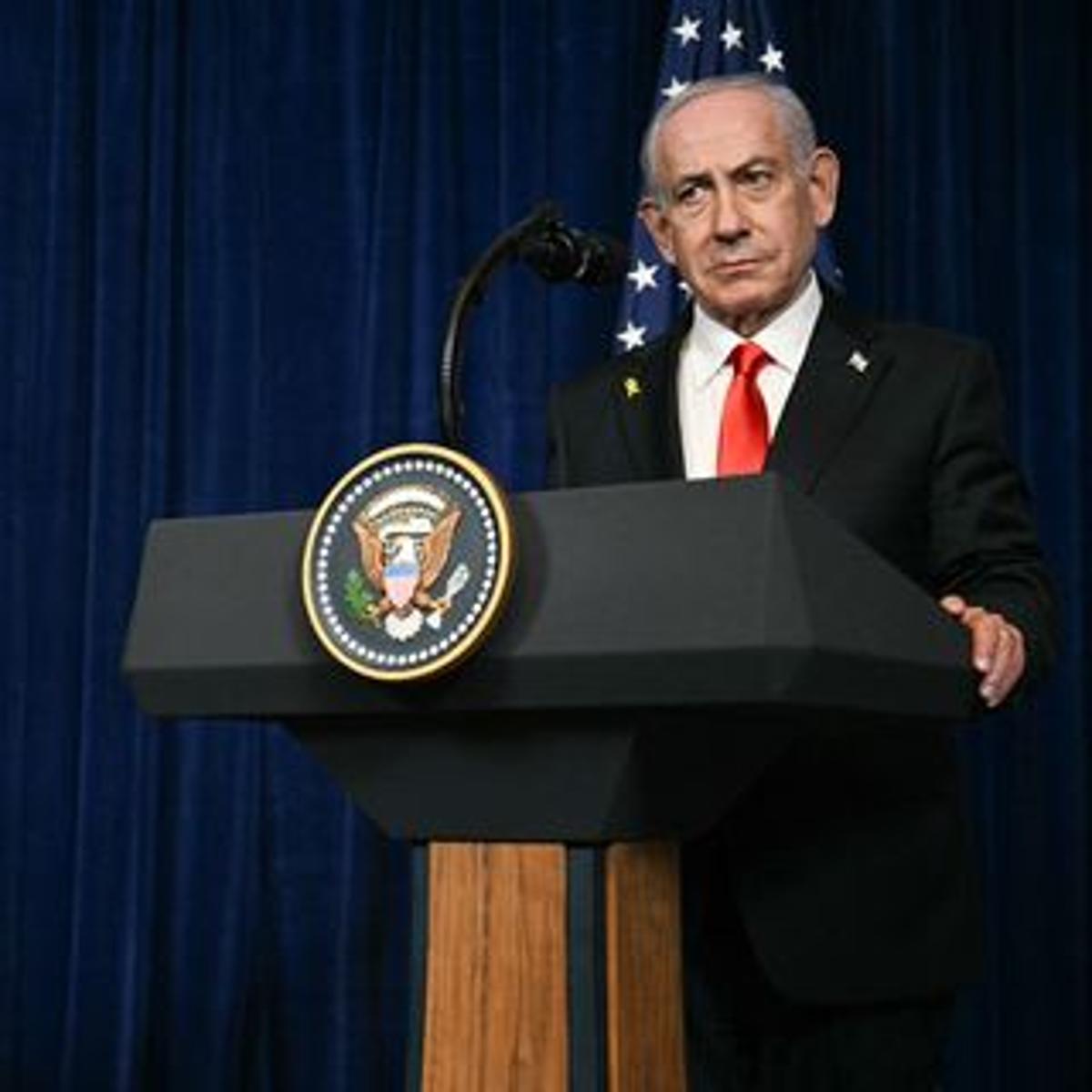
Trump's Pending Iran Deal Is Bitter Pill for Netanyahu
Why It Matters
The deal reshapes U.S.-Israel strategic coordination and could constrain Israel’s ability to act against Iran and Hezbollah, while influencing Netanyahu’s political standing ahead of elections. It also signals a shift in American Middle East policy toward diplomatic resolution over military pressure.
Key Takeaways
- •Trump expects Iran deal within days, surprising Netanyahu
- •Netanyahu faces criticism for appearing to accept U.S. terms
- •Deal may limit Israel’s strikes against Hezbollah in Lebanon
- •Iran could resume oil sales while negotiations linger
Pulse Analysis
The Trump administration’s push for a rapid Iran nuclear agreement marks a decisive turn from the confrontational posture that defined much of the past decade. By promising to lift sanctions and halt hostilities, the United States aims to stabilize a volatile region while securing non‑proliferation goals. Yet the speed of the negotiations raises questions about the depth of verification mechanisms and the extent to which Tehran will honor nuclear constraints, especially as Iranian officials hint at immediate oil revenue gains.
For Israel, the prospect of a U.S.-brokered deal presents a diplomatic dilemma. Prime Minister Benjamin Netanyahu entered the war with the expectation of weakening Iran’s regime, a narrative central to his political brand. Accepting a cease‑fire without concrete Tehran concessions could erode his standing ahead of the upcoming election, fueling accusations that Israel has become a "vassal" of Washington. Moreover, the agreement’s cease‑fire provisions in Lebanon risk curbing Israel’s operational freedom against Hezbollah, a group Israel views as a direct security threat.
Regional actors are watching closely. Hezbollah’s continued cross‑border attacks could jeopardize the fragile truce, while Iran’s ability to sell oil under the deal’s terms may replenish its coffers, potentially financing proxy groups. The United States must balance its desire for a diplomatic breakthrough with assurances that Israel retains the right to self‑defense. How the final terms address missile development, nuclear safeguards, and proxy warfare will determine whether the agreement stabilizes the Middle East or merely postpones the next round of conflict.
Trump's pending Iran deal is bitter pill for Netanyahu
Comments
Want to join the conversation?
Loading comments...