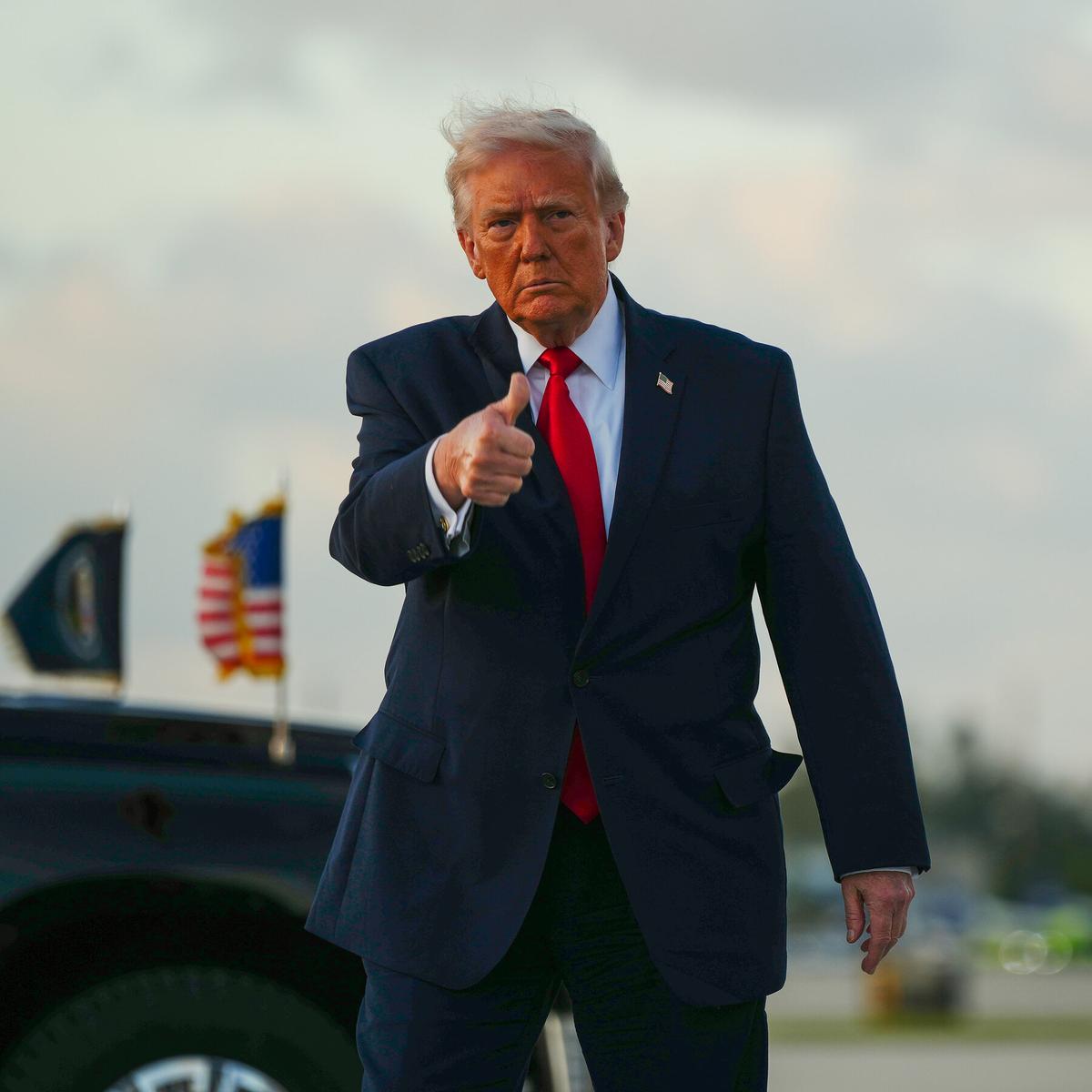
Trump’s Portrayal of the War in Iran Collides With Reality
Why It Matters
The disconnect between political spin and battlefield realities could misguide U.S. policy and destabilize markets reliant on Middle‑East oil flows. Accurate assessment is crucial for investors and policymakers navigating geopolitical risk.
Key Takeaways
- •Trump declares Iran "regime change" despite limited leadership shift
- •IRGC influence reportedly grew during the war, contrary to U.S. claims
- •New supreme leader Ayatollah Mojtaba Khamenei remains unseen, signaling continuity
- •Strait of Hormuz trade remains disrupted, impacting global oil flows
Pulse Analysis
The Trump administration’s public messaging has turned the protracted Iran conflict into a headline‑grabbing triumph, emphasizing a supposed "reasonable" new regime and the elimination of Iran’s naval and air capabilities. This narrative, amplified on Fox Business and other outlets, serves domestic political goals but sidesteps the complex military and diplomatic landscape that has unfolded over months of fighting. By portraying the war as a closed chapter, the White House seeks to cement a legacy of decisive action, even as on‑the‑ground reports tell a different story.
In reality, the Islamic Revolutionary Guard Corps (IRGC) appears to have consolidated power, leveraging wartime logistics and heightened nationalism to expand its economic and political reach. The appointment of Ayatollah Mojtaba Khamenei—who has remained out of public view—signals a seamless succession rather than a transformative shift. Moreover, the strategic chokepoint of the Strait of Hormuz continues to experience irregular shipping patterns, with oil tanker delays and price volatility underscoring the lingering economic fallout. Iran’s nuclear negotiations remain stalled, and its rhetoric suggests a willingness to retain a deterrent capability, contradicting Trump’s assertions of imminent compliance.
The divergence between rhetoric and reality carries significant implications for U.S. foreign policy and market participants. Investors monitoring energy markets must account for sustained supply‑chain disruptions, while policymakers risk basing strategic decisions on an inflated sense of victory. Credibility gaps can erode alliances, especially with European partners who rely on accurate intelligence to calibrate their own responses. As the conflict drags on, a nuanced understanding—beyond political soundbites—will be essential for navigating the geopolitical and economic turbulence ahead.
Trump’s Portrayal of the War in Iran Collides With Reality
Comments
Want to join the conversation?
Loading comments...