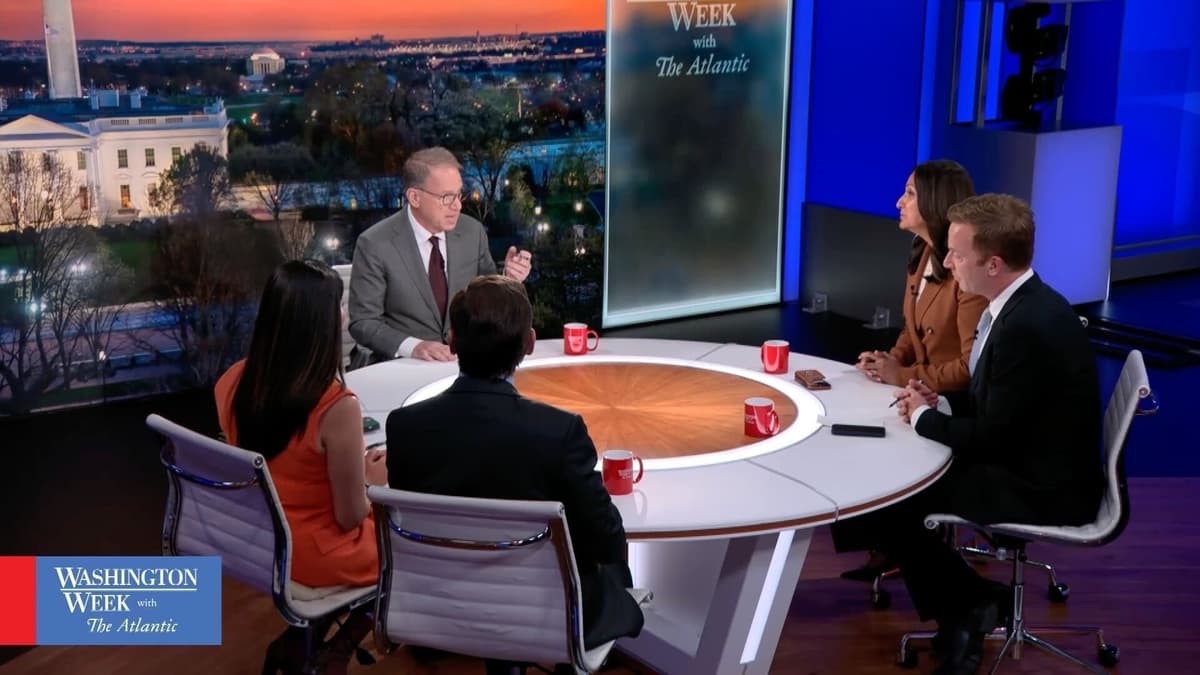
Trump’s Struggle to Find an Off-Ramp From the Iran War
Companies Mentioned

Why It Matters
Disruption in the Strait of Hormuz can spike oil prices, affecting the global economy, while the U.S. lack of a clear exit plan prolongs geopolitical risk for investors.
Key Takeaways
- •Iran now controls larger share of Strait of Hormuz
- •Trump calls naval retaliation a “love tap,” avoiding cease‑fire breach
- •U.S. destroyers attacked, prompting limited strikes on Iranian targets
- •Stalemate risks oil price spikes and supply disruptions
Pulse Analysis
The Strait of Hormuz remains one of the world’s most critical chokepoints, funneling roughly a third of daily global oil shipments. Since the conflict erupted three months ago, both sides have avoided full‑scale engagements, opting for calibrated strikes that preserve a fragile cease‑fire. Iran’s incremental gains in maritime control have shifted the tactical balance, allowing it to influence vessel routing and signal leverage in any future negotiations. This dynamic underscores why the narrow waterway continues to dominate strategic calculations despite the limited kinetic exchange.
President Trump’s handling of the war reflects a blend of domestic political calculus and an aversion to a protracted military commitment. Facing mounting criticism from congressional leaders and a wary electorate, he has framed recent naval actions as a “love tap,” a rhetorical move designed to project resolve without escalating the conflict. Advisors report growing impatience, yet Iran appears content to sustain low‑intensity pressure, betting on the United States’ reluctance to broaden the fight. The absence of a clear exit roadmap leaves policymakers scrambling for diplomatic levers that can satisfy both U.S. security goals and Tehran’s demand for regional influence.
For markets, the lingering impasse translates into heightened oil price volatility. Even minor disruptions in Hormuz can trigger spikes in Brent and WTI benchmarks, prompting investors to reassess risk premiums on energy assets. Supply‑chain managers watch the situation closely, as prolonged uncertainty may compel shippers to reroute cargoes, increasing freight costs and eroding profit margins. Analysts suggest that a negotiated settlement, however modest, would likely stabilize prices, while any escalation could reignite broader geopolitical tensions, reverberating through equities, currencies, and commodity markets.
Trump’s Struggle to Find an Off-Ramp From the Iran War
Comments
Want to join the conversation?
Loading comments...