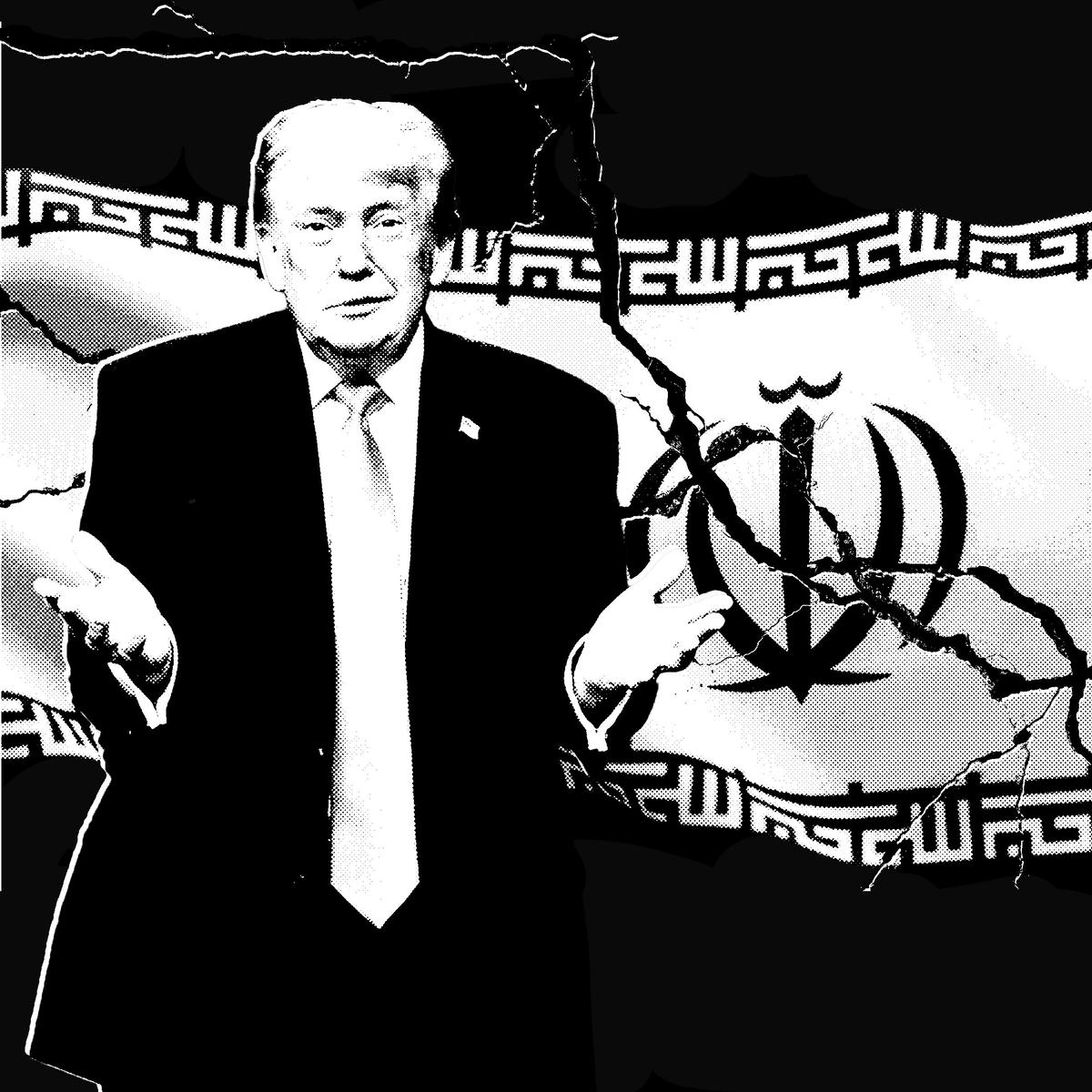
Trump’s Team Wants Him to Accept an Iran Deal He’s Already Rejected
Why It Matters
Re‑adopting the Iran deal could reshape U.S. sanctions strategy and influence the 2024 election by forcing Trump to moderate his foreign‑policy stance. It also signals to allies and adversaries whether the United States will honor multilateral agreements under a populist presidency.
Key Takeaways
- •Team urges Trump to revisit 2015 Iran nuclear agreement
- •Deal previously rejected after Trump called it ‘disastrous’
- •Negotiators hope deal eases sanctions pressure on American firms
- •Congressional Republicans split on supporting any Iran agreement
- •Potential deal could shift 2024 election dynamics
Pulse Analysis
The Joint Comprehensive Plan of Action, signed in 2015, remains the cornerstone of global non‑proliferation efforts. While the Trump administration withdrew from the pact in 2018, citing inadequate inspection regimes, the underlying framework still offers the most comprehensive mechanism to limit Iran’s uranium enrichment. By urging the president to accept a revised version, his team acknowledges that the diplomatic scaffolding built over years cannot be easily discarded, especially as Tehran continues to advance its nuclear program despite heightened sanctions.
Politically, the push to revive the deal places the White House at a crossroads between populist rhetoric and pragmatic governance. Republican lawmakers are divided: some view any concession to Iran as a betrayal of national security, while others recognize that a calibrated agreement could protect American companies from costly sanctions and restore credibility with European allies. For the 2024 campaign, Trump’s stance on Iran may become a litmus test for his willingness to temper hard‑line positions, potentially swaying swing voters concerned about economic stability and global standing.
Looking ahead, a renewed Iran deal could reshape the broader Middle‑East landscape, influencing negotiations with other regional actors and setting a precedent for future nuclear talks. It would also test the administration’s capacity to manage complex, multilateral agreements amid internal dissent. Whether Trump embraces or rejects the proposal will signal the United States’ long‑term commitment to diplomatic solutions versus unilateral pressure, a decision that will reverberate through both foreign policy circles and domestic political calculations.
Trump’s Team Wants Him to Accept an Iran Deal He’s Already Rejected
Comments
Want to join the conversation?
Loading comments...