Trump’s Visit to Beijing: A Great Opportunity for China?
Companies Mentioned
Why It Matters
The summit could cement China’s bid to dominate Asia’s security architecture, forcing U.S. allies to recalibrate their defense postures and reshaping global trade routes.
Key Takeaways
- •Trump’s Beijing summit occurs amid US military pullback from Indo‑Pacific.
- •China’s Belt‑and‑Road now serves as a strategic power‑projection tool.
- •US Defense Strategy acknowledges Chinese influence to First Island Chain.
- •Iran‑Hormuz conflict threatens global shipping, highlighting US strategic missteps.
- •Beijing may leverage US turmoil to expand its “sphere of influence.”
Pulse Analysis
The upcoming Trump‑Xi summit arrives at a crossroads for American power in the Pacific. After years of the "pivot to Asia," the United States has redirected carrier strike groups and missile defenses to the Middle East, leaving a vacuum that China is eager to fill. Beijing’s aggressive land reclamation on Antelope Reef and its continued militarization of the South China Sea signal a confidence boost, especially as Washington wrestles with an open Strait of Hormuz and a costly Iranian confrontation. This strategic rebalancing is not merely about naval assets; it reflects a broader shift in how the world perceives U.S. reliability as a security guarantor.
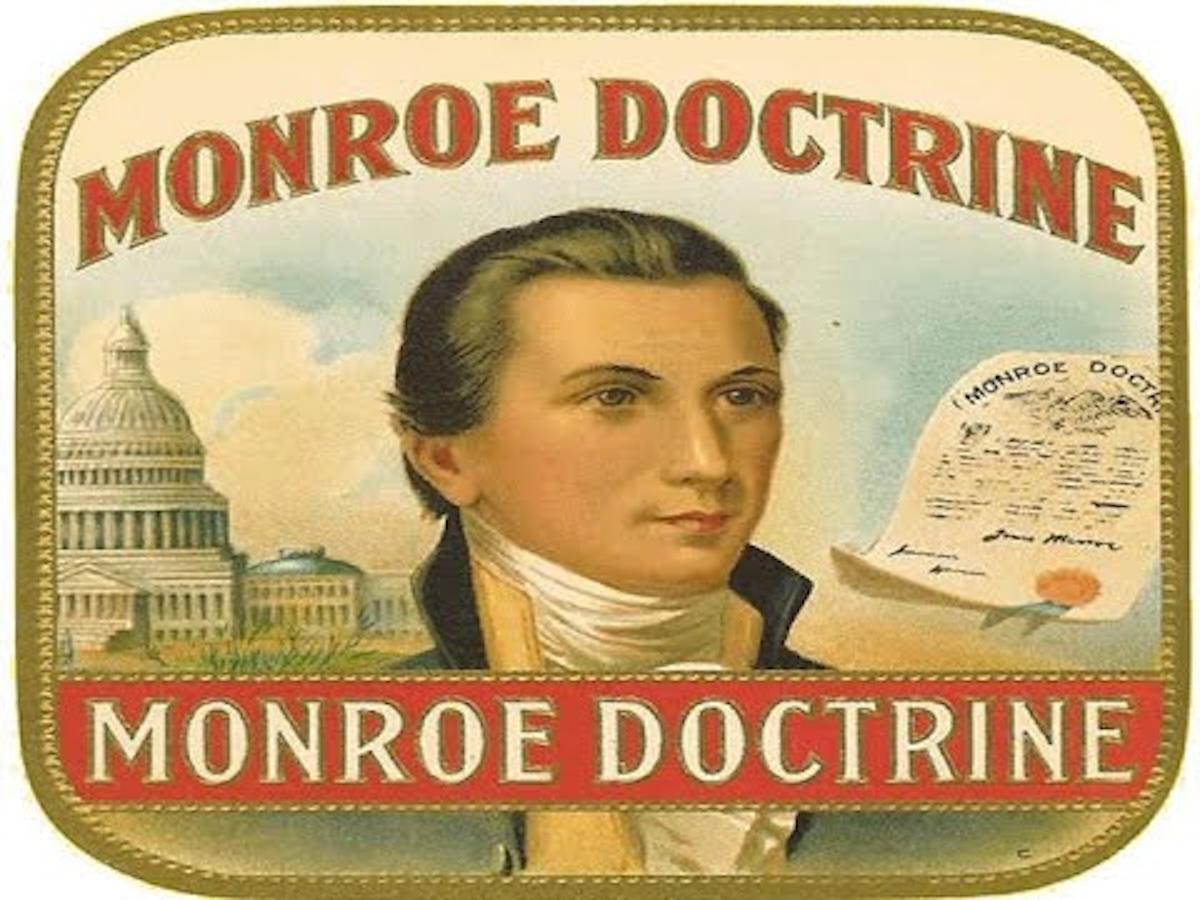
China’s Belt‑and‑Road Initiative, once framed as a purely economic development program, now functions as a geopolitical scaffolding that binds participating nations to Beijing’s strategic interests. Infrastructure projects, debt‑laden loans, and digital corridors give China leverage over critical supply chains and political decision‑making across Asia, Africa, and Europe. By positioning itself as the steward of global stability amid U.S. turmoil, Beijing can argue for a new regional order that mirrors the historic Monroe Doctrine, where external powers are excluded from its sphere of influence.
For U.S. policymakers and multinational corporations, the implications are profound. A more assertive China could reshape trade routes, impose new maritime norms, and pressure allies to choose between Washington’s faltering commitments and Beijing’s expanding promises. Companies must reassess risk models for shipping, investment, and regulatory compliance, while governments will need to devise diplomatic strategies that address both the immediate crisis in the Middle East and the longer‑term contest for dominance in the Indo‑Pacific. The outcome of the Beijing talks may well dictate the pace and direction of that contest for years to come.
Trump’s visit to Beijing: a great opportunity for China?
Comments
Want to join the conversation?
Loading comments...