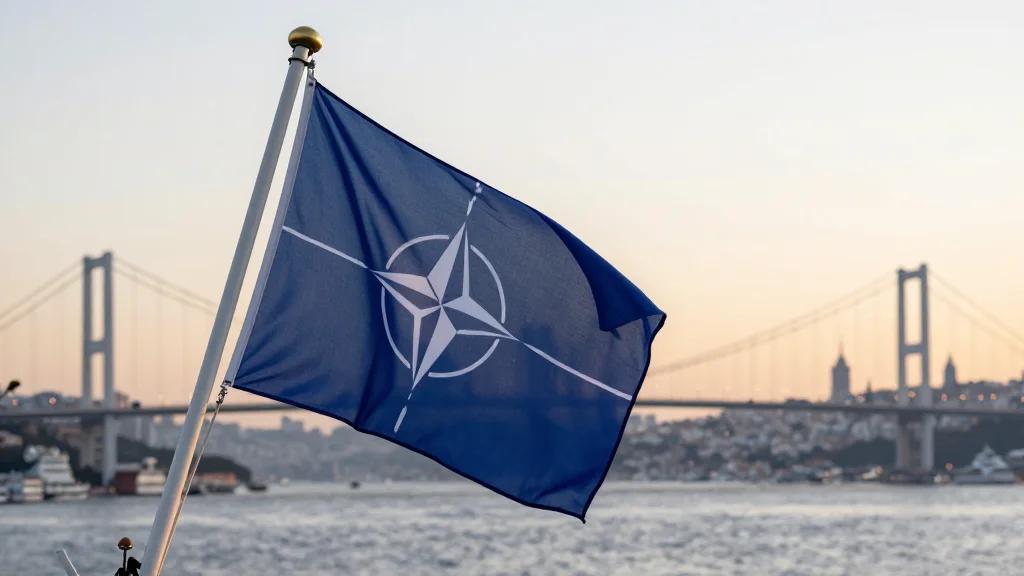
Turkey Says US Withdrawal From European Security Architecture Could Be 'Destructive'
Why It Matters
A U.S. pullback could destabilize Europe’s defense posture, forcing NATO to rethink collective security and embolden regional adversaries.
Key Takeaways
- •Trump threatens NATO exit over Strait of Hormuz dispute.
- •Fidan warns partial U.S. pullout could destabilize Europe.
- •Turkey urges coordinated response at July Ankara NATO summit.
- •EU states seen acting as separate club within NATO.
- •Potential U.S. troop reductions raise alliance cohesion concerns.
Pulse Analysis
The Trump administration’s recent threats to scale back U.S. commitments to NATO have reignited a long‑standing debate about the alliance’s relevance in a multipolar world. The immediate trigger—a refusal by several European NATO members to dispatch warships to the Strait of Hormuz after the outbreak of a U.S.-Israel conflict with Iran—highlights how divergent threat perceptions can strain collective decision‑making. Analysts note that while the United States remains the alliance’s primary military guarantor, its willingness to leverage that role for political leverage introduces uncertainty into European security planning.
Turkey, a NATO member but not an EU participant, is positioning itself as a mediator and a voice of caution. Foreign Minister Hakan Fidan’s remarks in Antalya underscore Ankara’s concern that a unilateral or poorly coordinated U.S. withdrawal would create security vacuums, especially along NATO’s eastern flank and in the Mediterranean. By calling for a coordinated response at the upcoming July summit in Ankara, Turkey seeks to reshape the agenda, urging allies to reaffirm collective defense commitments and to address the perceived “EU club” behavior that fragments alliance cohesion.
For European capitals, the prospect of reduced U.S. involvement forces a strategic recalibration. Options include boosting defense spending to meet the 2% GDP target, deepening intra‑European defense initiatives, or negotiating a more balanced burden‑sharing framework with Washington. The broader implication is a potential shift toward a more autonomous European security architecture, which could either strengthen regional resilience or, if mishandled, create gaps that adversaries like Russia or Iran might exploit. Coordinated diplomatic engagement now is essential to prevent a destabilizing fragmentation of the transatlantic security order.
Turkey says US withdrawal from European security architecture could be 'destructive'
Comments
Want to join the conversation?
Loading comments...