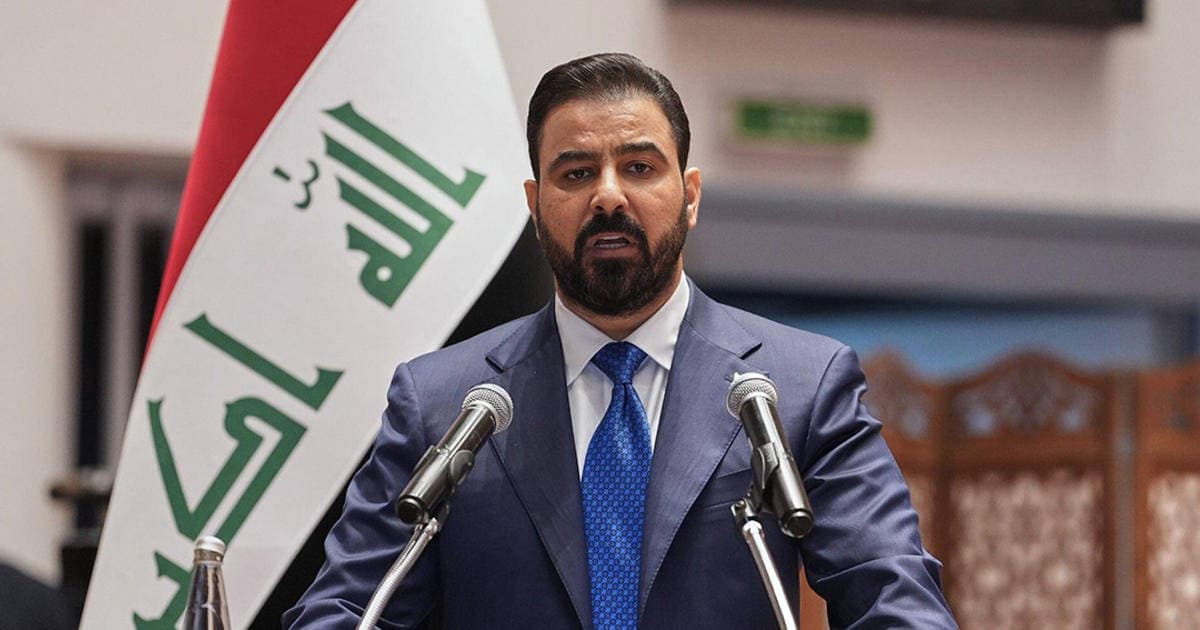
Turkey’s Iraq Gambit Amid the Strait of Hormuz Crisis
Why It Matters
Turkey’s maneuver could shift Iraq’s geopolitical orientation, securing a lucrative market for Turkish firms and curbing Iranian influence, while also stabilising a volatile security environment crucial for regional trade routes.
Key Takeaways
- •Turkey invited Iraq’s new PM to Ankara, signaling deeper bilateral ties
- •Ankara plans to sell ground‑to‑air defence systems to Baghdad
- •Development Road aims to link Turkish ports with Iraqi markets
- •Turkish‑Iraqi trade hit $16.8 bn in 2025, $12.4 bn exports
- •Turkey seeks to contain PKK and Iran‑backed militias through security deals
Pulse Analysis
The escalating US‑Iran confrontation and the bottleneck in the Strait of Hormuz have left Iraq exposed to both military pressure and fiscal strain. In this volatile context, Turkey is positioning itself as a stabilising partner, leveraging Ankara’s geographic proximity and diplomatic channels to fill the vacuum left by a weakened Iranian foothold. By extending an invitation to Prime Minister Ali Faleh al‑Zaidi, Turkey aims to secure early access to Iraq’s decision‑making circles, while offering tangible security assets such as ground‑to‑air defence systems that could reshape Baghdad’s defence architecture and align it more closely with NATO interests.
Beyond security, Ankara is betting on a comprehensive economic push anchored by the Development Road corridor, a network of rail, road and trade hubs that will channel Turkish exports into Iraq’s growing market. Bilateral trade already reached roughly $16.8 billion in 2025, with Turkish goods accounting for $12.4 billion of that flow. The Ceyhan pipeline, now a critical conduit for Iraqi oil amid Hormuz disruptions, further cements Turkey’s role as a northern gateway. These commercial incentives are designed to outpace Iran’s export‑dumping tactics and give Turkey a decisive edge ahead of its 2028 elections.
Security remains the linchpin of the partnership. Turkey’s longstanding fight against the PKK, coupled with the presence of Iran‑aligned militias in Iraq, creates a complex threat matrix. Ankara’s outreach to Iraqi security leaders, including the Popular Mobilisation Forces, seeks to integrate these actors into a framework that curtails Kurdish militant leverage while limiting Tehran’s ability to weaponise proxy groups. If successful, Turkey could not only safeguard its economic investments but also reshape the regional balance, offering a counterweight to both Iranian and U.S. strategic ambitions in the Middle East.
Turkey’s Iraq Gambit Amid the Strait of Hormuz Crisis
Comments
Want to join the conversation?
Loading comments...