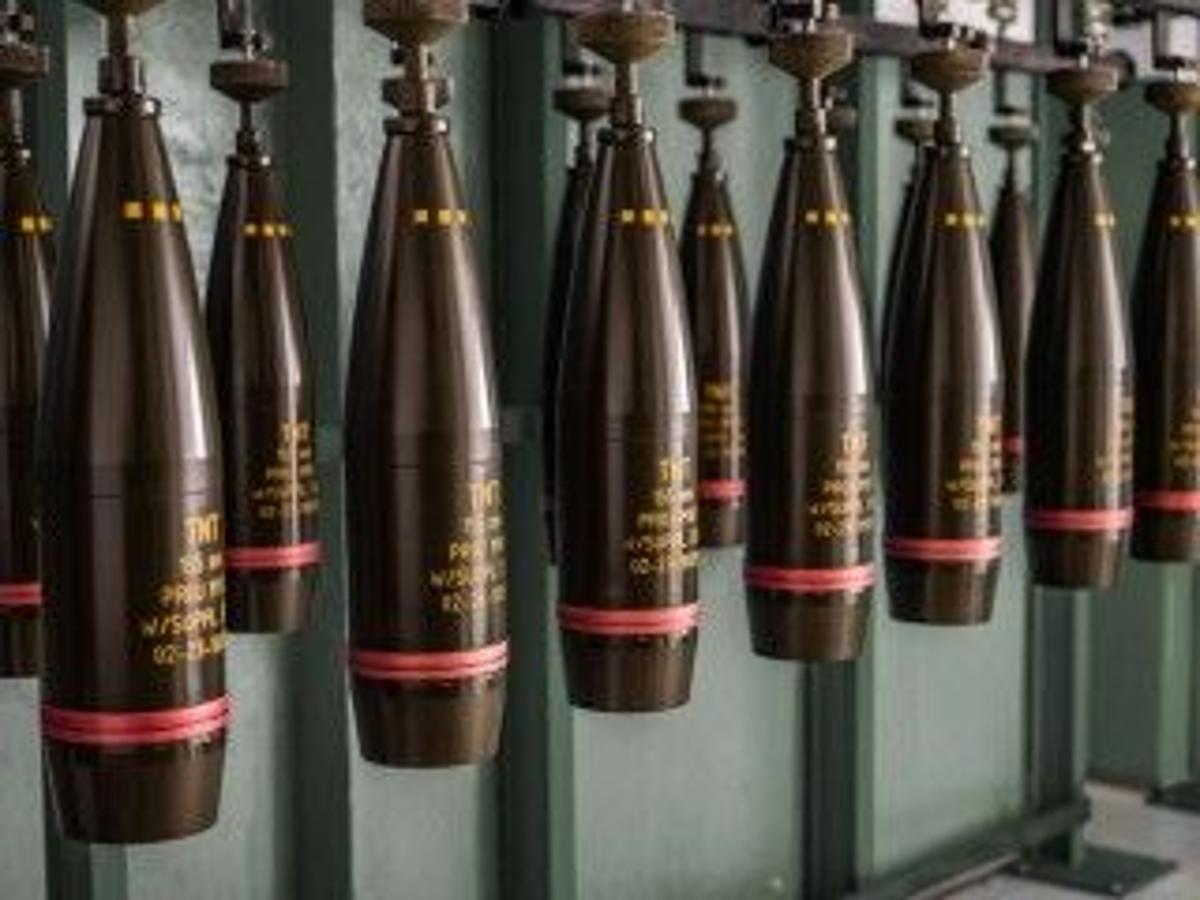
Turkish Ammunition Production in Estonia
Why It Matters
The plant boosts regional ammunition resilience and gives Estonia strategic export oversight, while deepening Turkey’s influence within NATO’s supply chain.
Key Takeaways
- •ARCA Defence to build ammunition plant in Estonia's Ida‑Viru County.
- •Facility will initially produce mortar, rocket, and 155 mm NATO artillery shells.
- •Production aimed at export markets, not immediate Estonian military supply.
- •Estonia may later add 30‑40 km range ammo to meet NATO standards.
- •Exports need Strategic Goods Commission sign‑off, keeping political control.
Pulse Analysis
The decision by Turkey’s ARCA Defence to locate an ammunition factory in Estonia signals a strategic shift in Europe’s defence manufacturing landscape. Since Russia’s invasion of Ukraine, NATO members have accelerated efforts to diversify and regionalise munitions supply chains, reducing reliance on distant producers. By situating the plant on the alliance’s eastern flank, Turkey not only expands its industrial footprint but also taps into a market eager for NATO‑compatible ordnance, reinforcing collective security in a volatile region.
ARCA’s Estonian facility will start with a portfolio of mortar ammunition, rockets and the 155 mm M107 artillery shell, all conforming to NATO standards. While the initial output is earmarked for export, Estonian officials indicate a future pivot toward longer‑range projectiles capable of 30‑40 kilometre strikes, aligning with modern battlefield demands. This approach allows Estonia to bolster its own stockpiling capabilities indirectly, while offering partner nations a reliable source of high‑quality munitions without compromising domestic defence priorities.
Geopolitically, the plant deepens Turkey’s role as a defence‑industrial bridge between NATO and Central‑Eastern Europe, a position that could reshape procurement dynamics across the alliance. Estonia’s requirement that all exports receive Strategic Goods Commission approval ensures political control over end‑users, mitigating risks associated with the proliferation of weapons like the 122 mm Grad rockets, which see extensive use outside NATO. As the facility scales, it may become a cornerstone of a more resilient, locally sourced ammunition ecosystem, enhancing both regional deterrence and the strategic autonomy of NATO’s eastern members.
Turkish ammunition production in Estonia
Comments
Want to join the conversation?
Loading comments...