Defense News and Headlines
  • All Technology
  • AI
  • Autonomy
  • B2B Growth
  • Big Data
  • BioTech
  • ClimateTech
  • Consumer Tech
  • Crypto
  • Cybersecurity
  • DevOps
  • Digital Marketing
  • Ecommerce
  • EdTech
  • Enterprise
  • FinTech
  • GovTech
  • Hardware
  • HealthTech
  • HRTech
  • LegalTech
  • Nanotech
  • PropTech
  • Quantum
  • Robotics
  • SaaS
  • SpaceTech
AllNewsDealsSocialBlogsVideosPodcastsDigests

Defense Pulse

EMAIL DIGESTS

Daily

Every morning

Weekly

Sunday recap

NewsDealsSocialBlogsVideosPodcasts
DefenseNewsTwo Battalions “Destroyed”? The Truth About NATO’s Exercise
Two Battalions “Destroyed”? The Truth About NATO’s Exercise
Defense

Two Battalions “Destroyed”? The Truth About NATO’s Exercise

•February 17, 2026
0
Defence24 (Poland)
Defence24 (Poland)•Feb 17, 2026

Why It Matters

The findings signal that traditional, heavily concentrated NATO forces risk rapid degradation against coordinated drone swarms, forcing a reassessment of force structure and command processes. Adapting doctrine now is critical to maintain deterrence and operational effectiveness.

Key Takeaways

  • •NATO exercise exposed lack of battlefield transparency.
  • •Ukrainian operators simulated destroying 17 armored vehicles in half day.
  • •Concentrated formations proved vulnerable to mass drone attacks.
  • •Slow information sharing hampers allied decision speed.
  • •Doctrine and training must adapt to drone‑centric warfare.

Pulse Analysis

Modern battlefields are increasingly defined by real‑time data streams and autonomous systems. The Hedgehog‑2025 drill in Estonia illustrated how a small, networked team equipped with the Delta system could locate, track, and virtually neutralize armored assets across a 10‑km² area in minutes. This level of battlefield transparency, once the preserve of advanced militaries, is now achievable with relatively modest drone fleets, eroding the traditional advantage of sheer manpower and firepower.

For NATO, the exercise exposed a structural lag: many units still rely on hierarchical information channels that delay decision‑making. Ukrainian participants demonstrated a flatter command model, where reconnaissance, targeting, and strike orders flow almost instantaneously to operators on the ground. The result is a tempo that outpaces legacy doctrines, leaving conventional brigades exposed to rapid, dispersed attacks. As allied forces grapple with this reality, the pressure to modernize command‑and‑control architectures and integrate open‑source sensor data grows ever more urgent.

Looking ahead, the implications extend beyond training. Procurement programs must prioritize swarm‑capable drones, electronic‑warfare suites, and modular camouflage solutions that reduce signature. Simultaneously, NATO training curricula need to embed rapid data‑fusion exercises and decentralized decision loops. By reshaping doctrine to embrace dispersion, concealment, and speed, the alliance can preserve combat effectiveness in an era where a handful of operators can dictate outcomes on a contested battlefield.

Two battalions “destroyed”? The truth about NATO’s exercise

By Aleksander Olech · Just now (2 min read)

Reports that Ukrainian drone operators wiped out two NATO battalions sound dramatic, but the Estonian exercise revealed something far more important — not defeat, but how quickly warfare is changing and how slowly large armies adapt.

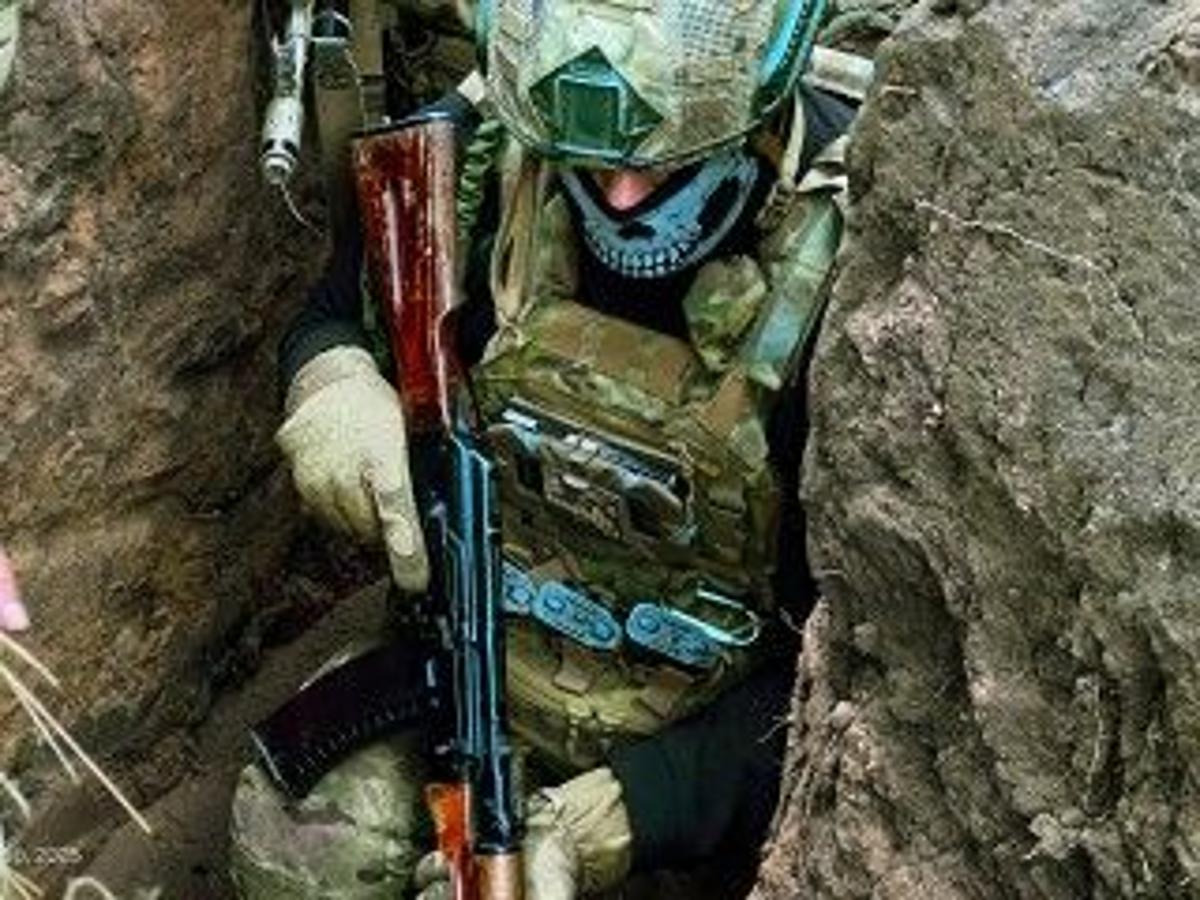
Photo: 95 Brygada wojsk powietrzno‑desantowych Ukrainy

Large‑scale manoeuvres Hedgehog‑2025 were conducted in Estonia with the participation of more than 16,000 soldiers from 12 NATO countries. The scenarios were intended to reflect a “crowded and contested” battlefield, where information pressure and speed of decision‑making play a decisive role. Ukrainian personnel with combat experience also took part, using the battlefield‑management system Delta, which gathers reconnaissance data in real time, analyses targets and coordinates strikes, significantly shortening the time between detection and attack.

One of the exercise episodes revealed the scale of the problem. A large NATO grouping, including a British brigade and Estonian units, operated as if full battlefield transparency did not exist. Units moved without sufficient concealment and deployed vehicles and equipment in easily detectable positions. A team of roughly ten operators was able, within half a day, to simulate the destruction of 17 armoured vehicles and conduct around 30 additional strikes, while more than 30 drones operated on an area smaller than 10 km². In the assessment of the exercise, two battalions were declared combat‑ineffective.

See also: [Estonia buys more artillery from France]

The conclusion should be interpreted carefully. The exercise did not represent a real battle, and simulated drone hits were treated as successful engagements for training purposes. The aim was to test procedures and resilience to mass‑drone use rather than defeat NATO forces. The results nevertheless showed how transparent the modern battlefield has become and how vulnerable concentrated formations are without dispersion, camouflage and rapid exchange of information.

Another problem identified was the speed of decision‑making. Ukrainian forces share operational data quickly between command and subordinate units, accelerating strikes. In several Allied militaries the tendency to restrict access to sensitive information slows reactions and complicates coordination. Estonian officers described the results as alarming, while observers stressed that recognising the problem is only the first step; doctrinal changes, training adjustments and procurement decisions must follow.

The broader lesson is not that drones alone win wars, but that they significantly alter tempo and organisation of combat. Even well‑equipped armies may encounter serious difficulties if structures, doctrine and training remain aligned with earlier models of warfare.

See also: [Pentagon’s Colby presents plan for a stronger NATO]

Read Original Article
0

Comments

Want to join the conversation?

Loading comments...