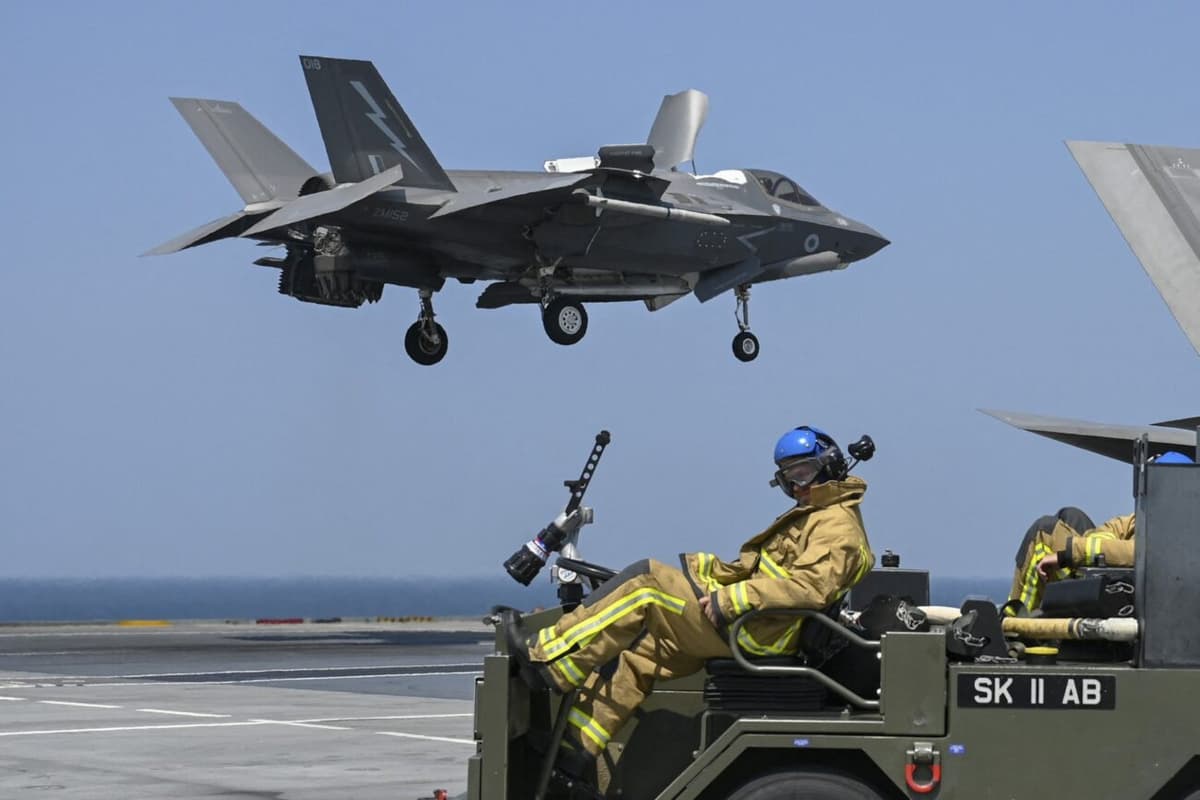
Two British F-35s Stranded in Atlantic For Nearly 2 Months After Delivery Flight Failures; Echoes India Incident
Companies Mentioned
Why It Matters
Stranded aircraft further erode the RAF’s already low F‑35 availability, compromising the UK’s stealth‑fighter readiness and delaying integration of new weapons. The recurring technical glitches underscore supply‑chain and staffing shortfalls that could affect future procurement and NATO commitments.
Key Takeaways
- •Two RAF F-35B jets stranded in Azores after delivery flight faults.
- •Delays push full UK fleet receipt to 2026, beyond 2024 target.
- •F-35B availability in UK remains below MoD targets, hampered by parts shortages.
- •Similar groundings have hit Belgium, USMC and a British jet in India.
- •Capability gaps may delay UK missile integration on F-35s until early 2030s.
Pulse Analysis
The latest grounding of two British F‑35Bs in the Azores adds a new chapter to a pattern of delivery‑flight failures that have plagued the joint‑force stealth fleet. While the aircraft’s advanced sensor fusion and STOVL capability promise a quantum leap for the RAF and Royal Navy, the mechanical faults that forced an emergency landing expose vulnerabilities in the global supply chain and in the aircraft’s software refresh cycles. Analysts note that each unplanned stop not only inflates maintenance costs but also strains the limited pool of qualified F‑35 engineers, a chronic shortage highlighted in recent NAO and PAC reports.
Beyond the immediate operational impact, the incident threatens the UK’s broader strategic roadmap. The Ministry of Defence has earmarked the F‑35B as a cornerstone for integrating the US‑provided B61‑12 nuclear bomb and for future joint operations across the Indo‑Pacific and European theatres. However, low mission‑capability rates—reported at roughly half the MoD’s target—combined with delayed Block 4 upgrades mean that the fleet may not achieve its full combat potential until the early 2030s. This timeline misalignment could force the UK to rely on legacy platforms or interim solutions, potentially weakening its deterrence posture amid rising great‑power competition.
Looking forward, policymakers must address both technical and human‑resource bottlenecks to safeguard the program’s viability. Accelerating spare‑parts production, expanding the UK‑based F‑35 sustainment workforce, and securing faster software‑refresh pathways are critical steps. Moreover, diversifying the fleet’s weapon integration schedule—particularly for standoff missiles—could mitigate capability gaps. By tackling these systemic issues, the UK can restore confidence in its fifth‑generation fighter fleet and ensure that future deliveries translate into operational readiness rather than prolonged groundings.
Two British F-35s Stranded in Atlantic For Nearly 2 Months After Delivery Flight Failures; Echoes India Incident
Comments
Want to join the conversation?
Loading comments...