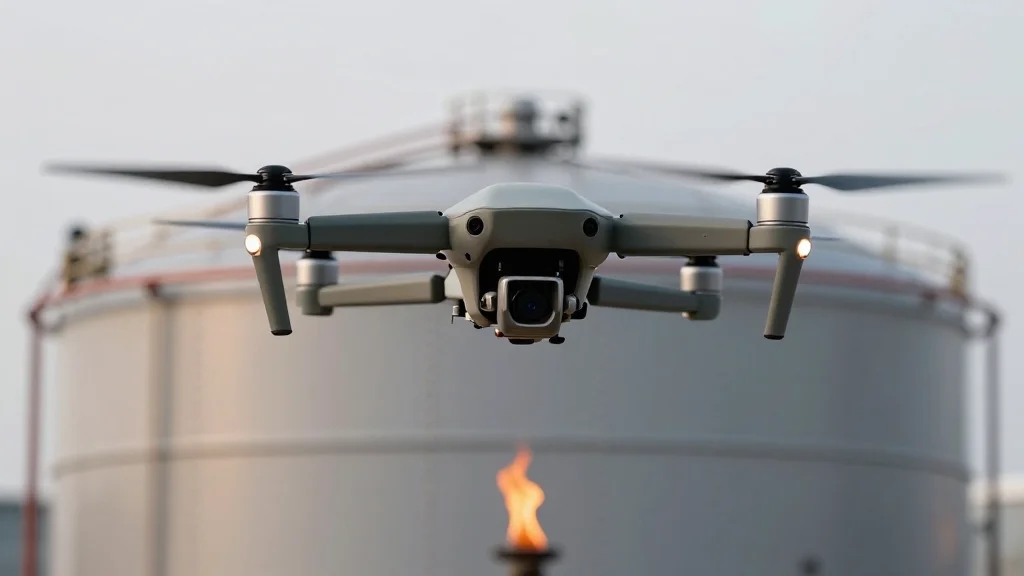
Two Drones From Russia Crash in Latvia, Damage Oil Storage Facility
Why It Matters
The crash highlights the vulnerability of NATO’s eastern flank to cross‑border drone incursions and tests Latvia’s emergency response capabilities. It also reinforces the Baltic states’ resolve to prevent their territory from being used in attacks against Russia, a key diplomatic stance.
Key Takeaways
- •Two Russian drones crashed in Latvia, one hitting an oil depot
- •Fire was extinguished before firefighters arrived, preventing major damage
- •Authorities issued drone alerts and closed schools in Rezekne
- •Baltic states reaffirm policy against using territory for attacks on Russia
- •Earlier Ukrainian drone incidents raised regional security concerns in March
Pulse Analysis
The recent drone crashes in Latvia illustrate a growing pattern of low‑altitude aerial incursions along NATO’s eastern perimeter. While the Russian‑origin UAVs did not achieve strategic objectives, their ability to penetrate Latvian airspace and strike a civilian oil depot raises questions about detection gaps and the adequacy of current air‑defence postures. Analysts note that the incident arrives at a time when the alliance is modernising its integrated air‑and‑missile defense, yet the sheer speed and small radar cross‑section of commercial‑type drones can outpace legacy systems.
Latvia’s swift response—issuing public alerts, sealing off the crash zone, and suspending school operations—demonstrates a calibrated civil‑defence protocol that limits civilian exposure. The rapid extinguishing of the fire at the oil storage site prevented potential environmental contamination and economic loss, showcasing effective coordination between fire services and security agencies. For NATO, the episode serves as a practical case study in balancing civilian safety with military readiness, prompting member states to review cross‑border alert mechanisms and share real‑time intelligence on unmanned threats.
The incident also revives the broader geopolitical narrative surrounding Ukrainian drone activity that spilled over into Estonia and Lithuania earlier this year. While Kyiv has denied intentional targeting of Baltic territory, the spillover underscores the difficulty of containing drone operations in contested airspace. The Baltic foreign ministers’ reaffirmation that their territories will not host attacks on Russia reflects a delicate diplomatic line: supporting Ukraine’s defense while avoiding escalation with Moscow. Going forward, NATO is likely to enhance joint surveillance and develop rapid‑response counter‑UAV capabilities to deter similar incursions and preserve the security of its front‑line members.
Two drones from Russia crash in Latvia, damage oil storage facility
Comments
Want to join the conversation?
Loading comments...