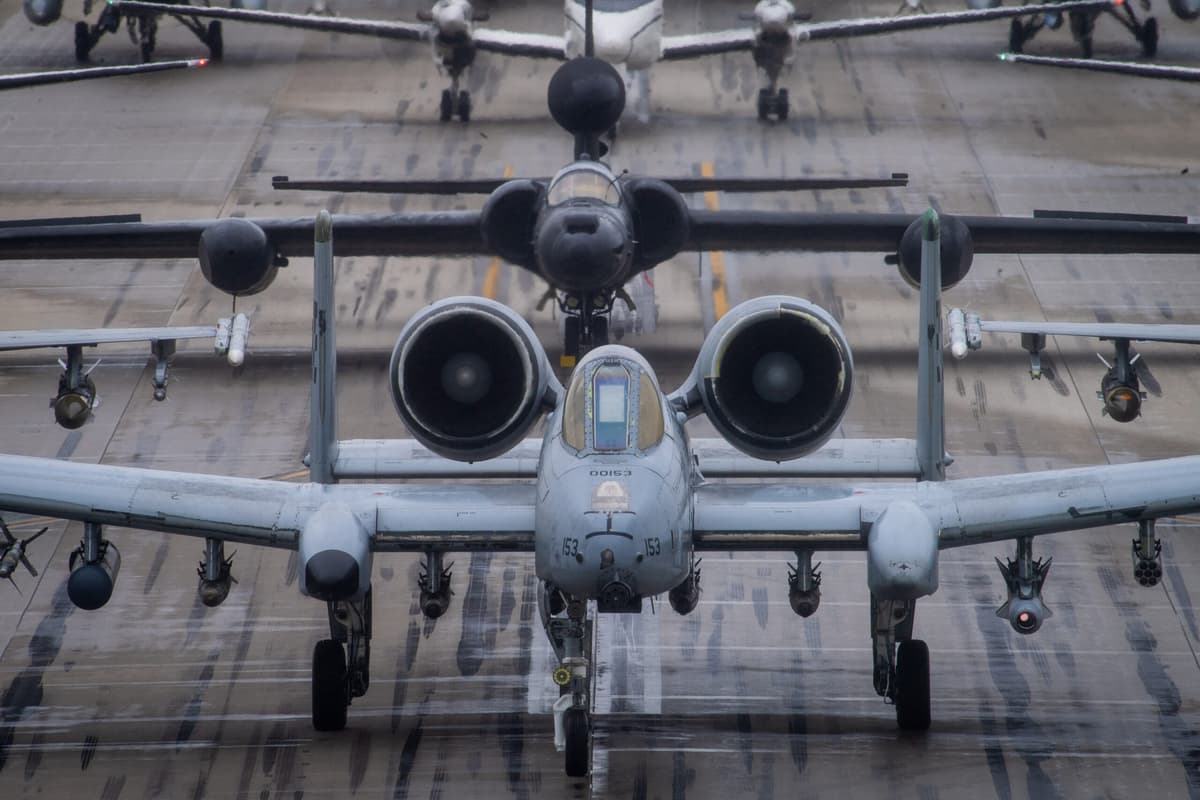
U-2 Fleet, Half of A-10s Would Retire; Air Force Plans to Add 108 Planes in ’27
Why It Matters
Retiring iconic platforms while adding modern fighters reshapes the Air Force’s combat and intelligence posture, influencing procurement priorities and congressional oversight. The shift signals a strategic pivot toward next‑generation airpower amid evolving global threats.
Key Takeaways
- •Air Force plans to retire 149 legacy aircraft, including all 23 U‑2s.
- •Half of the remaining A‑10 fleet will be retired, leaving 54 jets.
- •FY2027 budget requests $30.7 B for 108 new aircraft, a 2% increase.
- •New purchases focus on F‑35A, F‑15EX, T‑7A, and KC‑46 platforms.
- •Retiring more tankers than bought, net loss of five refuelers.
Pulse Analysis
The Air Force’s FY2027 proposal reflects a broader trend of trimming aging airframes while injecting cutting‑edge technology into the fleet. With the U‑2’s 43‑year service life nearing its end, the service is forced to confront a capability gap in high‑altitude ISR that has traditionally underpinned strategic intelligence. By allocating $7.4 billion to 38 new F‑35As and expanding the F‑15EX Eagle II lineup, the department aims to preserve air superiority and provide a versatile strike platform that can operate in contested environments where legacy aircraft would be vulnerable.
Retiring half of the A‑10 fleet underscores a delicate balance between legacy close‑air‑support (CAS) value and modern air‑defense threats. While the Warthog’s ruggedness and GAU‑8 cannon remain prized by ground forces, its low‑speed, low‑altitude profile makes it a liability against advanced integrated air‑defense systems, especially in potential high‑end conflicts such as the Indo‑Pacific. Congress’s recent willingness to allow further retirements suggests a shift toward relying on multirole fighters and unmanned systems for CAS, though the Air Force has pledged to keep a limited A‑10 presence through 2030 to sustain proven capabilities.
Beyond the aircraft purchases, the budget earmarks $57.6 billion for research, development, test, and evaluation—a 27% increase that signals an aggressive push toward sixth‑generation concepts like the F‑47 and collaborative combat aircraft. This R&D surge, coupled with modest growth in procurement, positions the Air Force to field a more integrated, network‑centric force capable of rapid adaptation. The strategic implication is clear: a leaner, more technologically advanced fleet designed to meet both near‑term operational demands and long‑term deterrence objectives, while navigating the political realities of congressional funding and public scrutiny.
U-2 Fleet, Half of A-10s Would Retire; Air Force Plans to Add 108 Planes in ’27
Comments
Want to join the conversation?
Loading comments...