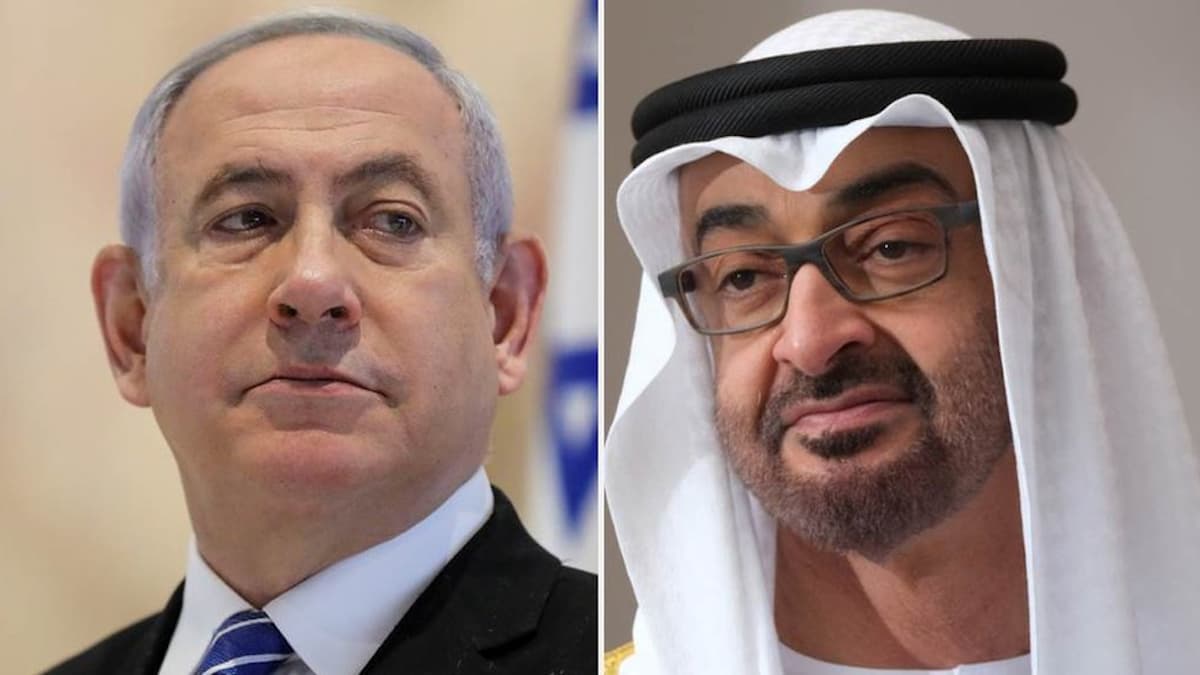
UAE-Israel Ties Useful but Nowhere Near a Middle East Reset
Companies Mentioned
Why It Matters
The deal shows that bilateral ties can generate concrete economic and security benefits while highlighting the limits of diplomatic choreography in a multipolar Middle East, guiding investors and policymakers toward pragmatic cooperation over grand realignments.
Key Takeaways
- •Bilateral trade reached $3.2 billion in 2024, still growing.
- •Edge Group bought Elbit’s Hermes 900 drone, deepening defense ties.
- •Israeli Iron Dome operated from UAE during Iran‑Israel conflict.
- •UAE balances ties with Israel, Iran, China, and Saudi Arabia.
- •Saudi hesitation limits broader Gulf‑Israel realignment.
Pulse Analysis
When the Abraham Accords were signed in 2020, many observers expected a rapid transformation of the Gulf’s geopolitical landscape. Five and a half years later, the UAE‑Israel relationship delivers measurable outcomes: bilateral trade now exceeds $3.2 billion, Israeli high‑tech firms have a foothold in Abu Dhabi’s Global Market, and defense collaboration has moved beyond symbolic gestures. The procurement of Elbit’s Hermes 900 drone by the UAE’s Edge Group and the deployment of an Israeli‑operated Iron Dome battery on Emirati soil during the recent Iran‑Israel clash illustrate a functional, if limited, security partnership that benefits both economies.
The UAE’s foreign‑policy calculus, however, remains a balancing act. While Washington’s extended deterrence underpins Emirati security, the federation has simultaneously deepened ties with Beijing, Moscow and New Delhi, and pursued a cautious rapprochement with Tehran. Riyadh’s refusal to normalize relations with Israel without a credible pathway to Palestinian statehood further caps the Accords’ regional ripple effect. Consequently, the UAE leverages its Israeli partnership as a hedge against Iranian assertiveness and a conduit for advanced technology, without allowing it to dictate broader strategic choices.
For businesses and policymakers, the key lesson is that the UAE‑Israel tie is a pragmatic platform rather than a catalyst for a new regional order. It facilitates technology transfer, joint intelligence initiatives, and diversification of the Emirati defence industrial base, creating tangible commercial opportunities. Yet the underlying fault lines—Palestinian statehood, Iran’s regional role, and Saudi‑Israeli dynamics—remain unresolved, ensuring that any future realignment will require more than bilateral agreements. Understanding these nuances helps investors gauge risk and identify sectors where the partnership’s incremental gains are most likely to translate into sustainable growth.
UAE-Israel ties useful but nowhere near a Middle East reset
Comments
Want to join the conversation?
Loading comments...