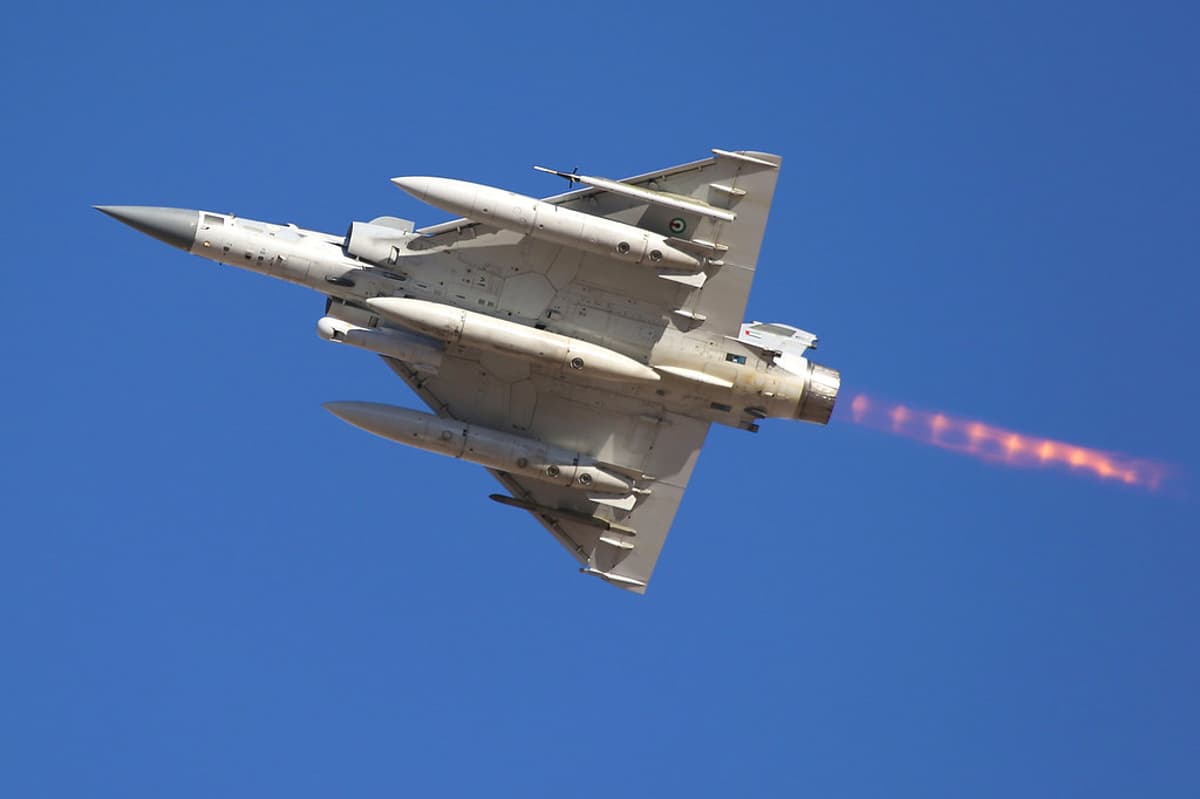
UAE Mirage 2000-9 Jets Suspected in Lavan Refinery Strike After U.S.-Iran Ceasefire, Reports Claim
Why It Matters
The strike threatens to unravel a fragile ceasefire, potentially reigniting wider hostilities that could disrupt global oil flows through the Hormuz corridor. It also highlights the risk of misattributed actions fueling diplomatic tensions among U.S. allies.
Key Takeaways
- •Lavan refinery processes ~55,000 barrels daily, strategic near Strait of Hormuz
- •Social media claims UAE Mirage 2000‑9 struck refinery; evidence unverified
- •Iran retaliated with missile/drone attacks on UAE and Kuwait
- •UAE Ministry says Mirage deployed to intercept Iranian missiles, not attack
- •Mirage 2000‑9’s advanced avionics enable precision strike capability
Pulse Analysis
The Lavan refinery attack underscores how quickly a localized strike can jeopardize a broader diplomatic truce. While the ceasefire between Washington and Tehran was intended to curb the spiraling conflict that has already pushed oil prices higher, the alleged involvement of a UAE Mirage 2000‑9 adds a layer of complexity. Even without conclusive proof, the rapid spread of the accusation on platforms like X illustrates how information warfare can amplify geopolitical risk, prompting governments to reassess rules of engagement and communication channels.
Analysts note that the Mirage 2000‑9, the only export variant operated by the UAE, possesses a sophisticated radar suite, precision‑guided munitions capability, and in‑flight refueling, making it technically suitable for a deep‑strike mission against a high‑value target such as Lavan. However, the UAE’s Ministry of Defense maintains the aircraft was scrambled to intercept Iranian missiles, not to conduct offensive operations. This discrepancy reflects the broader opacity surrounding coalition air support in the region, where Chinese‑origin drones and Western‑supplied fighters coexist, complicating attribution and accountability.
If the ceasefire collapses, the strategic Strait of Hormuz—through which roughly 20% of global oil passes—could face renewed threats, driving further volatility in energy markets. Stakeholders from multinational oil majors to regional investors will watch closely for official statements, intelligence assessments, and any escalation in missile exchanges. The episode also serves as a reminder that modern air platforms, like the Mirage 2000‑9, can shift the calculus of deterrence, prompting policymakers to balance rapid response capabilities with the diplomatic cost of potential missteps.
UAE Mirage 2000-9 Jets Suspected in Lavan Refinery Strike After U.S.-Iran Ceasefire, Reports Claim
Comments
Want to join the conversation?
Loading comments...