UAE’s Secret Attack on Iran Risks Drawing Gulf States Into the War
Why It Matters
The shift toward direct state‑on‑state action threatens oil‑supply security and forces Gulf allies to choose sides, potentially reshaping geopolitical alignments and global energy prices.
Key Takeaways
- •UAE allegedly launched secret airstrike on Iran’s Lazan Island
- •Pentagon war cost estimate rose to $29 bn, $4 bn higher
- •Kuwait captured four IRGC operatives attempting attacks on Bubiyan Island
- •Saudi restraint contrasts UAE’s retaliation, risking broader Gulf involvement
- •ADNOC Gas plant repairs aim for 80% capacity by end‑2026
Pulse Analysis
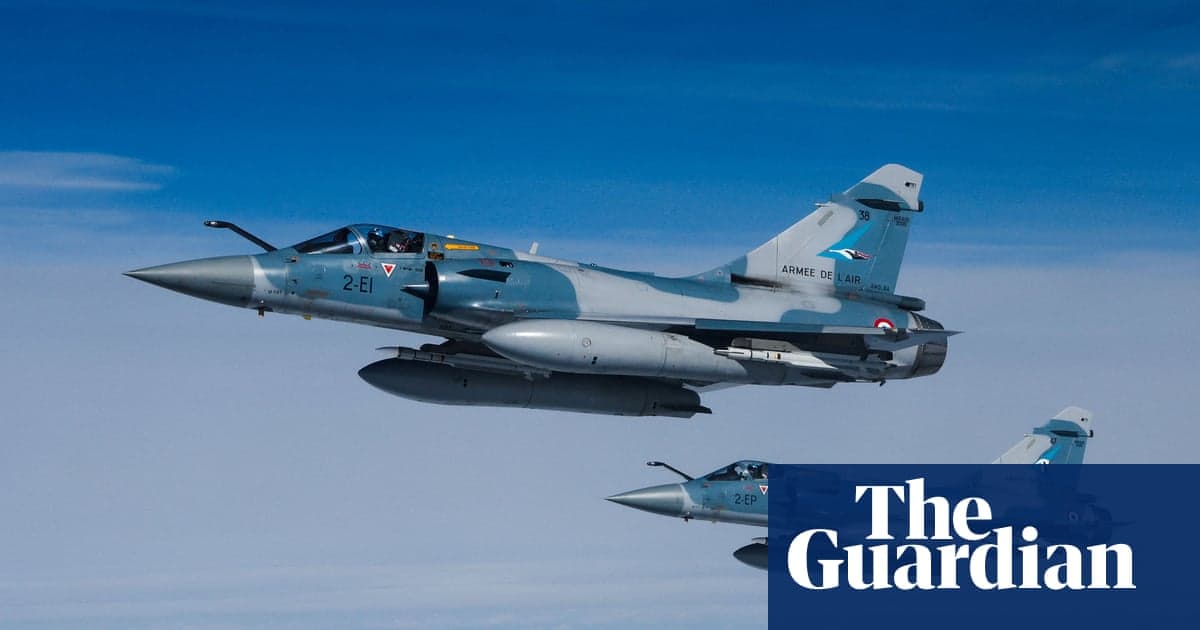
The alleged UAE airstrike on Iran’s Lazan Island marks a rare overt use of force by a Gulf state against Tehran, moving the conflict beyond proxy drones and missiles. While the United Arab Emirates has long relied on diplomatic channels and its ties to Israel to counter Iranian influence, the reported deployment of Mirage 2000‑5F fighters and Chinese Wing Long drones suggests a willingness to project power directly. This escalation follows a pattern of reciprocal attacks that began in February, when Iran targeted UAE infrastructure, and reflects growing frustration in Abu Dhabi over repeated disruptions to its energy assets, including the prolonged shutdown of its largest gas plant.
Regional dynamics are now split between a hawkish UAE and a cautious Saudi Arabia, which continues to advocate restraint to avoid a full‑scale war that could cripple oil production, desalination facilities, and the Hajj pilgrimage. Kuwait’s interception of four IRGC operatives on Bubiyan Island adds another layer of tension, indicating that Tehran is pursuing covert operations across the Gulf. The divergent approaches among Gulf Cooperation Council members raise the specter of a fragmented response, potentially drawing in external powers such as the United States and Israel, both of which have pledged defensive support to the Emirates.
The economic stakes are equally stark. The Pentagon’s revised war‑cost estimate of nearly $29 bn—$4 bn higher than two weeks ago—signals that the United States anticipates a longer, more resource‑intensive engagement. Any disruption to the Strait of Hormuz or to UAE oil export facilities would reverberate through global markets, pushing crude prices upward and prompting supply‑chain recalibrations. Meanwhile, ADNOC’s plan to restore its gas plant to 80 % capacity by the end of 2026 underscores the urgency of stabilizing energy output amid geopolitical uncertainty. Stakeholders must monitor diplomatic overtures, especially Saudi‑UAE talks, as the next moves will dictate whether the Gulf can contain the conflict or become a flashpoint for broader regional war.
UAE’s secret attack on Iran risks drawing Gulf states into the war
Comments
Want to join the conversation?
Loading comments...