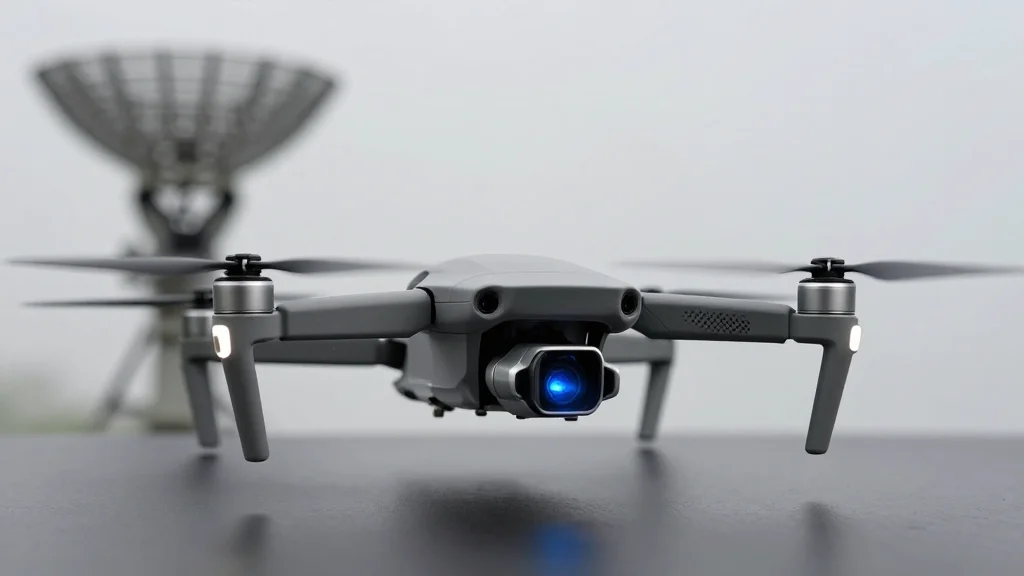
Why It Matters
Integrated UAV defence systems protect both military assets and civilian critical infrastructure, reducing blind spots and ensuring resilience against constantly evolving aerial threats. The approach reshapes market demand for modular, updatable security solutions worldwide.
Key Takeaways
- •UAV threats now adapt frequencies, protocols, and tactics rapidly
- •Standalone detection systems create gaps and interference in protection
- •Integrated architectures enable real‑time updates and coordinated responses
- •Ukraine’s conflict accelerates development cycles from years to weeks
- •Electronic warfare becomes foundational layer for defending critical infrastructure
Pulse Analysis
The modern UAV threat has evolved beyond simple drone strikes. Adversaries now use swarms to jam power grids, overload communication networks, and interfere with logistics chains, turning cities into contested environments without a clear front line. Traditional counter‑UAV setups—radar, jammers, and kinetic interceptors operating in isolation—struggle to keep pace with rapid frequency hopping and protocol changes. As a result, defence planners are prioritising system‑of‑systems thinking, where sensors, analytics and response tools share a common control layer, enabling faster decision loops and reducing the risk of overlapping or contradictory actions.
Kvertus exemplifies this transition. The Ukrainian developer’s SIGINT and electronic‑warfare suite, already deployed by the Ukrainian Defence Forces, integrates passive RF detection, signal classification and automated response within a unified software framework. By treating updates as a continuous service rather than a one‑off product launch, Kvertus can push new threat signatures weeks, not years, after they appear on the battlefield. The conflict in Ukraine has effectively turned combat zones into live testbeds, compressing development cycles and forcing vendors to adopt agile, DevSecOps‑style processes. This rapid iteration not only improves military effectiveness but also creates a pipeline of technologies ready for civilian adaptation.
Beyond the warzone, cities worldwide face similar challenges as critical infrastructure becomes increasingly interconnected. Power utilities, transportation hubs and smart‑city platforms are all vulnerable to UAV‑borne electronic attacks. Integrated defence architectures promise scalable protection that can be managed by a smaller workforce while maintaining situational awareness across multiple domains. For investors and policymakers, the message is clear: funding modular, software‑centric security solutions will be essential to safeguard the next generation of urban ecosystems against an ever‑evolving aerial threat landscape.
UAV defence moves beyond standalone systems
Comments
Want to join the conversation?
Loading comments...