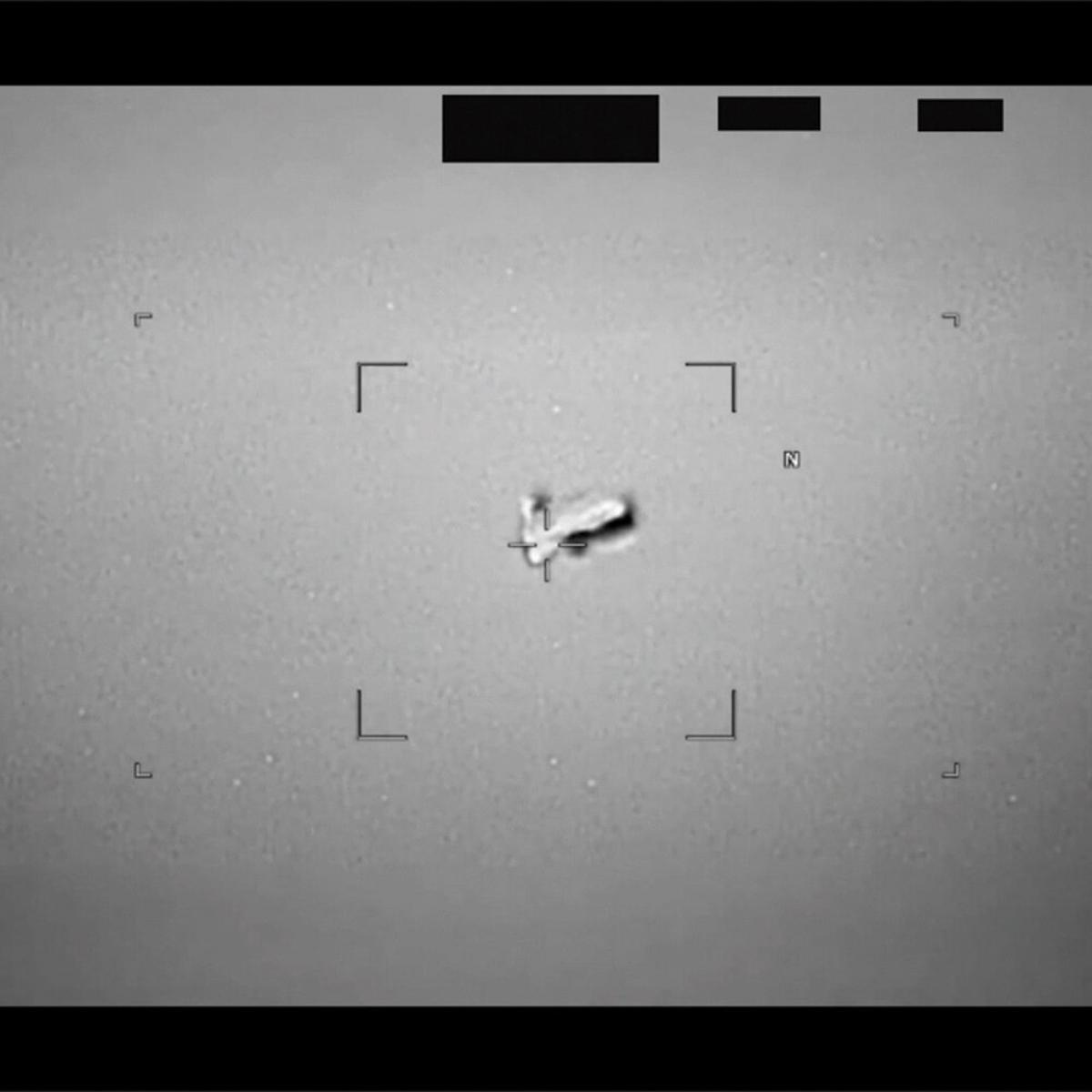
U.F.O. Files Released by U.S. Shed Light on What the Government Knows
Why It Matters
The declassification provides unprecedented insight into decades‑old UFO investigations, shaping national security assessments and public trust. It also pressures policymakers to formalize oversight of anomalous aerial events.
Key Takeaways
- •Pentagon released previously unseen UFO files.
- •Documents span from 1960s space race era.
- •Ongoing releases will continue on rolling basis.
- •Congress hearings increase pressure for transparency.
- •Public fascination fuels demand for declassified data.
Pulse Analysis
The latest Pentagon release marks a watershed moment in the long‑standing debate over unidentified aerial phenomena. While the U.S. government has sporadically disclosed footage and reports over the past decade, this batch is the first to include archival material from the height of the Cold War space race. Analysts see the 1960s documents as a window into early intelligence efforts to differentiate foreign technology from atmospheric anomalies, offering scholars a richer timeline of how the threat perception evolved.
From a defense perspective, the newly released files could reshape threat‑assessment frameworks. Military planners have historically treated unidentified objects as potential adversary platforms, prompting costly sensor upgrades and pilot training programs. By making historical data public, the Pentagon may be signaling a shift toward greater transparency, which could reduce speculation and allow for more collaborative research with civilian aerospace firms. The rolling release schedule also suggests an institutional commitment to systematic declassification, potentially easing congressional pressure for oversight.
For the broader market, the disclosure fuels both consumer curiosity and commercial opportunity. Media outlets, documentary producers, and tech startups are likely to capitalize on the influx of rare footage, while satellite‑imaging companies may see increased demand for high‑resolution data to verify future sightings. Moreover, the public’s appetite for answers could drive policy initiatives aimed at establishing a permanent civilian agency to monitor anomalous phenomena, echoing calls from aerospace stakeholders for clearer regulatory pathways. As more records emerge, the intersection of national security, scientific inquiry, and commercial interest will become increasingly pronounced.
U.F.O. Files Released by U.S. Shed Light on What the Government Knows
Comments
Want to join the conversation?
Loading comments...