UFO Files Reveal Astronauts Saw Mysterious Objects and Lights in 1972
Why It Matters
The disclosures provide rare primary data on unexplained space phenomena, prompting reassessment of aerospace safety protocols and fueling public and governmental scrutiny of UAP risks.
Key Takeaways
- •Pentagon released over 100 declassified UAP documents, including Apollo footage.
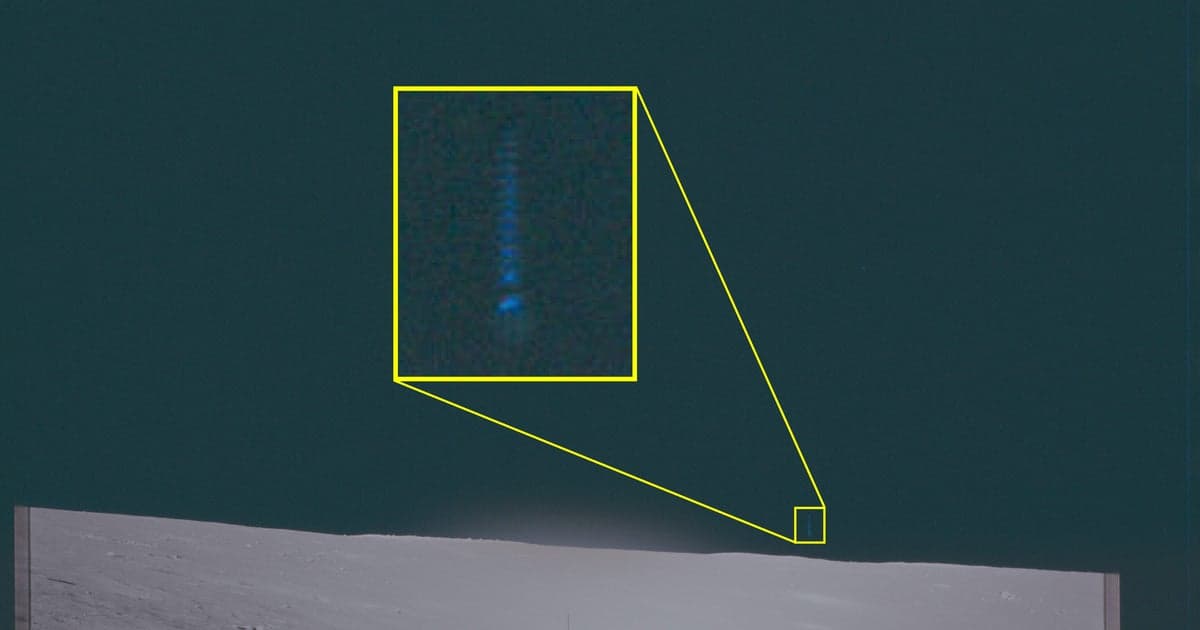
- •Apollo 17 astronauts reported triangular dot formation and bright sparks in 1972.
- •Earlier Apollo missions also logged unexplained lights, described as fireworks.
- •Analysts note no consensus on whether phenomena were physical objects.
- •Ongoing releases could influence future space‑flight safety protocols.
Pulse Analysis
The Defense Department’s new online repository, launched on May 8, 2026, adds more than 100 previously classified files to the growing public record on unidentified anomalous phenomena (UAP). The release follows a multiyear push by Congress and the intelligence community to increase transparency after the 2021 UAP report sparked renewed scrutiny of aerial mysteries. By making mission transcripts, photographs and preliminary analyses searchable, the Pentagon hopes to provide researchers with raw data that can be examined without speculation. The timing aligns with broader efforts to standardize UAP reporting across military branches.
Among the newly disclosed material are vivid accounts from NASA’s Apollo program. On December 1972, the Apollo 17 crew observed three luminous dots arranged in a triangular pattern, accompanied by bright, firework‑like sparks that drifted past the command module. Astronauts Ronald Evans, Harrison Schmitt and Eugene Cernan each described the phenomenon in detail, noting its persistence for several hours and its apparent physicality rather than an optical illusion. Earlier missions, including Apollo 11 and Apollo 12, also contain debriefs in which Buzz Aldrin and his teammates reported flashing lights and a possible laser‑like source, underscoring a recurring pattern of unexplained visual events during lunar operations. The renewed disclosure carries weight for both national security and commercial spaceflight.
If the anomalies prove to be foreign technology or natural space debris, agencies may need to revise tracking and collision‑avoidance protocols for satellites and crewed missions. Conversely, a natural explanation could reshape scientific understanding of the near‑lunar environment. Industry stakeholders are watching closely, as clearer guidance could affect insurance rates, mission planning, and public confidence in space travel. Continued releases promise a data‑driven dialogue, potentially paving the way for a formal inter‑agency UAP task force.
UFO files reveal astronauts saw mysterious objects and lights in 1972
Comments
Want to join the conversation?
Loading comments...