Why It Matters
The DIP’s funding trajectory will shape the UK’s strategic defence posture and determine whether domestic suppliers, especially SMEs, can compete for future contracts. It also signals how the government balances defence priorities against fiscal constraints.
Key Takeaways
- •£28 bn gap (~$35 bn) strains MoD‑Treasury relations
- •Partial funding likely protects nuclear, GCAP, drones; trims conventional kits
- •SMEs face reduced contracts as primes dominate drone and missile projects
- •Foreign‑aid cuts could free up up to $7.5 bn for defence
Pulse Analysis
The Defence Investment Plan, long postponed by political turbulence and a £28 bn (about $35 bn) financing hole, finally faces a deadline ahead of the July NATO summit. The MoD has been able to award contracts in the interim, but the lack of a definitive funding roadmap has left industry players, especially smaller firms, in limbo. Treasury’s insistence on fiscal prudence clashes with the Ministry’s push for a modernised force, creating a classic budget‑versus‑capability dilemma that mirrors broader UK public‑spending pressures.
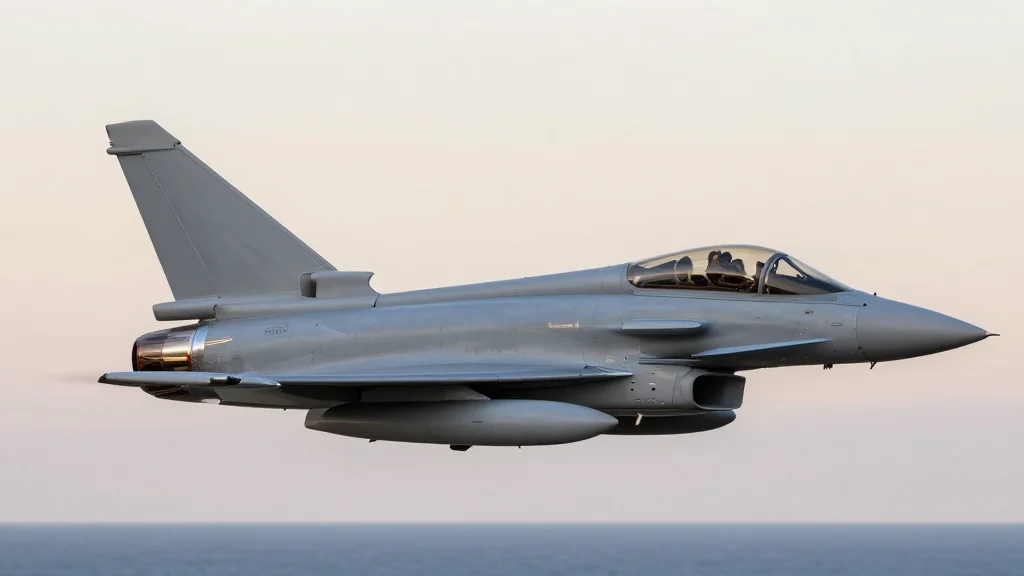
Three funding scenarios dominate the debate. Full funding would keep all flagship programmes—GCAP, Dreadnought submarines, and the Challenger 3 tank—on schedule, delivering a strong demand signal for both primes and suppliers. More likely, a partial‑funding path will protect high‑priority assets such as the nuclear deterrent, missile stockpiles and autonomous drones, while postponing or scaling back conventional platforms like the Boxer vehicle fleet and surface‑combatant ships. A severe reduction would concentrate resources on nuclear and a few elite systems, potentially sacrificing the UK’s aerospace prestige and forcing the sale or mothballing of major assets.
The strategic ripple effects are profound. With foreign‑aid earmarked for defence cuts, the government could redirect up to $7.5 bn, yet the remaining gap still forces tough trade‑offs that marginalise defence SMEs, whose growth hinges on clear procurement pipelines. The outcome will influence the UK’s ability to meet NATO spending targets, retain international partnerships, and sustain a domestic industrial base capable of delivering next‑generation capabilities. Stakeholders are watching closely, as the DIP will set the tone for Britain’s defence trajectory in the next decade.
UK Defence Investment Plan: three funding scenarios
Comments
Want to join the conversation?
Loading comments...