Why It Matters
The move signals the UK’s deepening security commitment in the Indo‑Pacific, heightening geopolitical competition over navigation rights and trade flows. It also underscores the friction between Western naval freedom‑of‑navigation operations and China’s territorial claims.
Key Takeaways
- •UK Navy conducts freedom of navigation patrols in Taiwan Strait
- •Officials cite UNCLOS as legal basis for open seas worldwide
- •UK pledges to support Indo‑Pacific allies against potential threats
- •China rejects foreign transits, calling Taiwan Strait internal waters
- •US and UK coordinate naval ops, stressing global trade security
Pulse Analysis
The United Kingdom’s decision to sail warships through the Taiwan Strait reflects a strategic pivot toward a more assertive presence in the Indo‑Pacific. By invoking UNCLOS, British officials frame their operations as a defense of the global commons, a narrative that aligns with longstanding NATO principles and the UK’s post‑Brexit ambition to be a "global Britain" on the security stage. This policy not only reinforces the UK’s maritime credibility but also signals to allies—particularly Japan, Australia, and the United States—that London will back collective efforts to deter coercion in contested waterways.
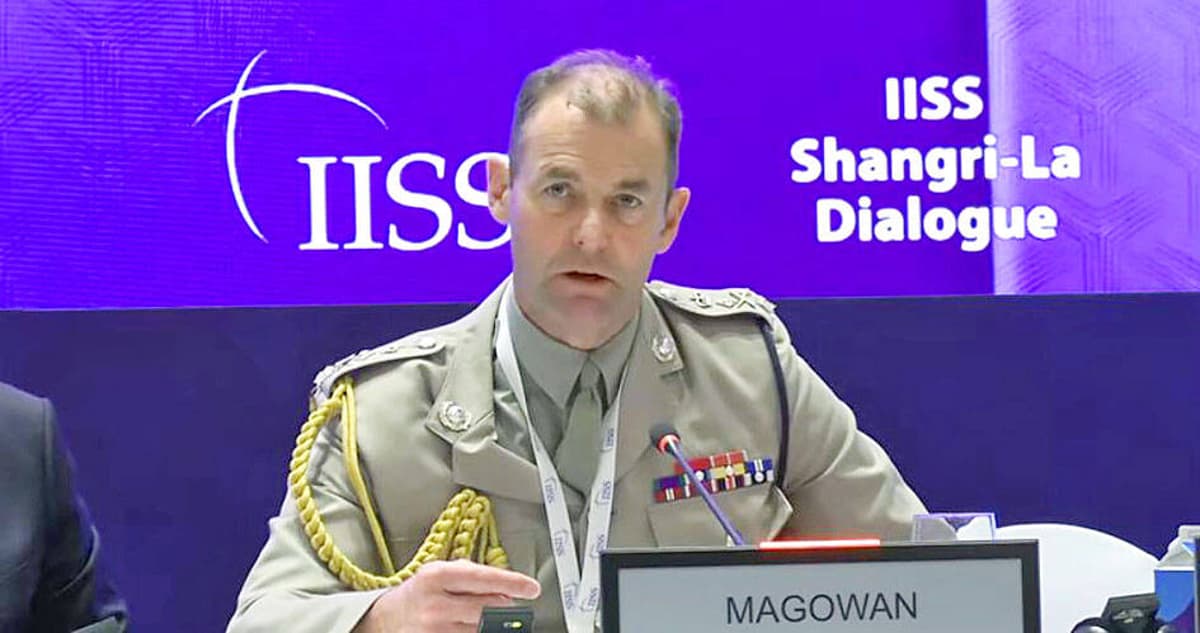
Regional dynamics are sharpening as Beijing continues to treat the Taiwan Strait as internal Chinese waters, rejecting any foreign naval transits as infringements on sovereignty. The Chinese delegation’s remarks at the Shangri‑La Dialogue highlighted the diplomatic friction that accompanies freedom‑of‑navigation missions, especially when they intersect with Taiwan’s contested status. For the Indo‑Pacific, the strait is a vital artery for high‑value electronics and raw materials; any disruption could reverberate through supply chains that underpin the global economy. The UK’s patrols, therefore, serve both a symbolic and practical purpose—deterring unilateral blockades while reassuring commercial stakeholders of uninterrupted sea‑lane access.
The broader implication for global trade is significant. As the UK and the United States coordinate naval operations, they reinforce a multilateral framework that discourages any single power from imposing de‑facto control over key maritime routes. This collaborative posture supports the resilience of the world’s supply chains, particularly for sectors reliant on East‑Asian manufacturing. Looking ahead, sustained freedom‑of‑navigation activities are likely to become a staple of Western maritime strategy, prompting China to calibrate its own naval deployments and diplomatic outreach. The ongoing dialogue between these powers will shape the balance between open trade and geopolitical rivalry for years to come.
UK defends Strait naval passage
Comments
Want to join the conversation?
Loading comments...