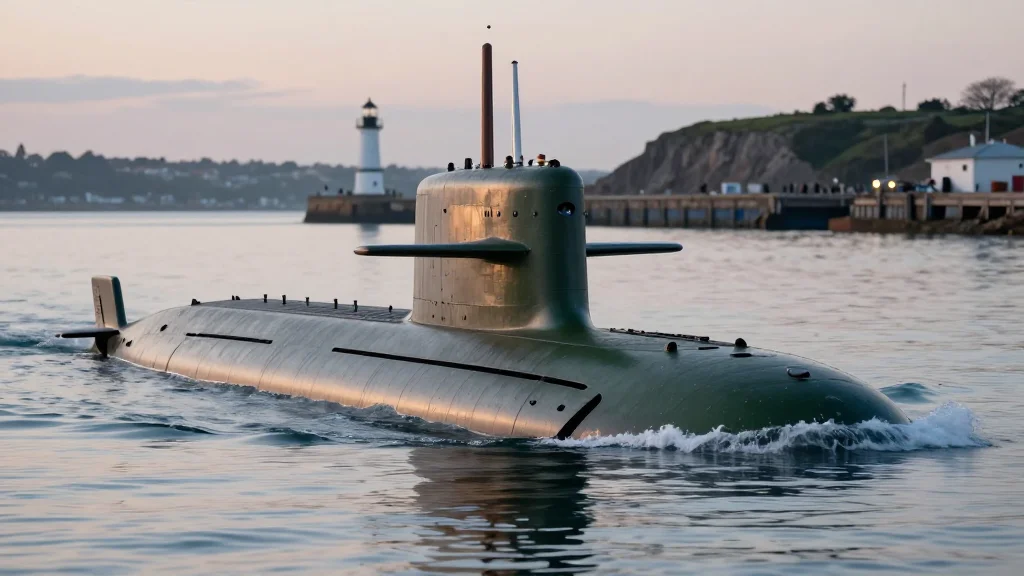
UK Exposes Covert Russian Submarine Operation
Why It Matters
The exposure reveals a tangible Russian espionage capability in Western waters, prompting heightened naval vigilance and influencing NATO’s maritime posture. It also signals that geopolitical friction is extending into covert undersea operations, affecting defense budgeting and alliance coordination.
Key Takeaways
- •Russian Kilo‑class submarine operated covertly in UK waters
- •Royal Navy sonar detected and forced vessel to surface near Portsmouth
- •Operation tied to broader Russian intelligence campaign
- •Incident triggered NATO‑wide maritime alert
- •Highlights growing undersea security threats in Europe
Pulse Analysis
The United Kingdom’s public disclosure of a covert Russian submarine mission marks a rare glimpse into the shadowy world of undersea espionage. While surface vessels and satellites dominate most strategic reporting, diesel‑electric submarines like the Kilo‑class excel at silent, prolonged patrols in contested littorals. By slipping into British territorial waters, the Russian boat could have mapped critical infrastructure, intercepted communications, or even prepared for future sabotage. The detection relied on advanced sonar arrays and data‑fusion platforms that the Royal Navy has upgraded in response to Russia’s renewed focus on hybrid warfare.
Analysts view the episode as a bellwether for escalating maritime tension in the North Atlantic and the Baltic Sea. Since Russia’s 2022 invasion of Ukraine, Moscow has intensified covert operations to undermine Western resolve, ranging from cyber intrusions to disinformation campaigns. An undersea presence adds a physical dimension to this pressure, forcing NATO members to reassess patrol patterns, invest in anti‑submarine warfare (ASW) capabilities, and share real‑time intelligence across allied command structures. The incident also raises questions about the adequacy of existing maritime treaties and the legal frameworks governing covert incursions in peacetime.
For policymakers and industry leaders, the revelation underscores the need for resilient supply chains and hardened communication networks that can withstand both digital and physical threats. Companies operating critical ports, energy pipelines, or subsea cables must evaluate their exposure to espionage and consider integrating acoustic monitoring with cyber‑security protocols. As the West calibrates its response, the episode may spur increased funding for next‑generation ASW assets, such as unmanned underwater vehicles and AI‑driven detection algorithms, reshaping the future of naval defense in an era where the line between overt conflict and covert maneuvering grows ever thinner.
UK exposes covert Russian submarine operation
Comments
Want to join the conversation?
Loading comments...