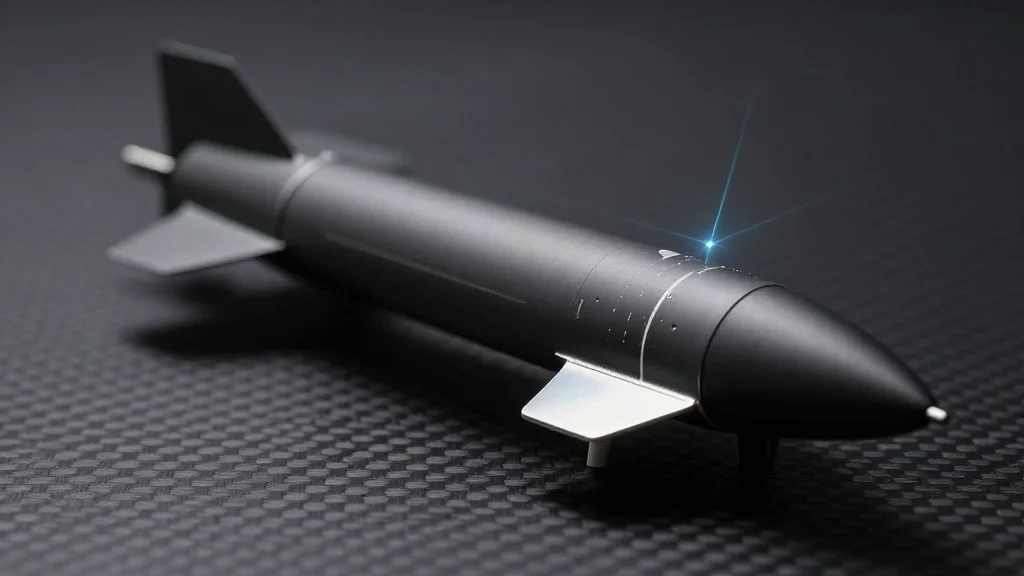
UK Military Looks at Allowing Lethal Strikes without Human Approval
Why It Matters
Allowing fully autonomous lethal weapons could reshape the UK’s combat posture and set a precedent for other NATO members, while raising serious humanitarian‑law concerns.
Key Takeaways
- •UK MoD reviewing policy to permit autonomous lethal strikes.
- •Proposal could remove human‑in‑the‑loop for some weapons.
- •Aligns with US and NATO AI‑enabled warfare discussions.
- •Critics warn of legal and ethical risks under international law.
- •Pilot programs may involve drone swarms by 2025.
Pulse Analysis
The United Kingdom’s defence establishment is contemplating a major doctrinal shift: authorising lethal autonomous strikes without a human operator’s final sign‑off. This move follows a series of internal reviews and external pressure from allies, notably the United States, which has already begun testing similar capabilities. By loosening the long‑standing human‑in‑the‑loop requirement, the MoD hopes to accelerate the deployment of AI‑driven platforms such as swarming drones and loitering munitions, technologies that promise faster decision cycles on the battlefield.
Industry analysts see the policy change as a catalyst for the UK’s domestic defence sector. Companies developing AI‑enabled weaponry could gain a competitive edge in export markets, especially as NATO members grapple with the same technological race. However, the shift also raises procurement challenges, including the need for robust verification, testing regimes, and new rules of engagement that reconcile speed with accountability. The government has indicated that any operational rollout will be subject to strict oversight, but details remain sparse.
Ethical and legal ramifications dominate the public discourse. International humanitarian law mandates distinction and proportionality, principles traditionally enforced by human judgment. Removing that layer could expose the UK to accusations of unlawful killings and spark broader debates within the United Nations on autonomous weapons. Civil‑society groups and some parliamentarians are urging a cautious approach, warning that once the precedent is set, reversing it may prove difficult. The outcome of this review will likely influence global norms around AI in warfare for years to come.
UK military looks at allowing lethal strikes without human approval
Comments
Want to join the conversation?
Loading comments...