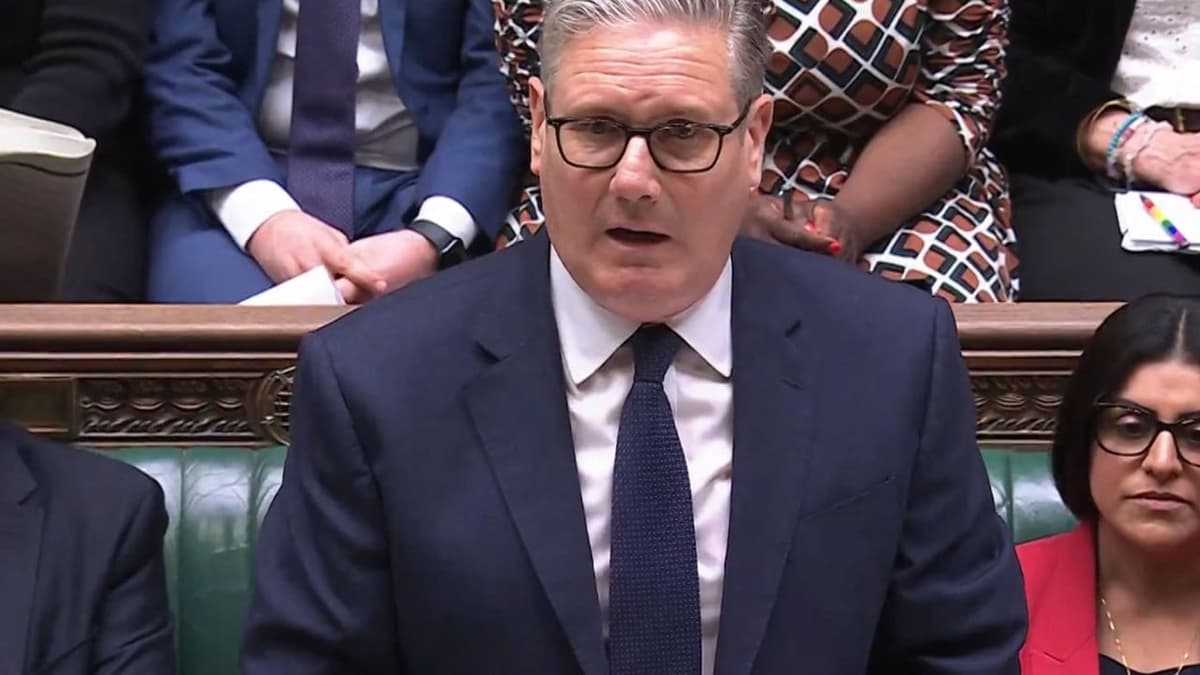
UK PM Starmer Says ‘Not Going to Yield’ to Trump’s Mideast War Threats
Why It Matters
Starmer’s defiance signals a shift in the transatlantic balance, risking trade benefits and defense cooperation while underscoring the UK’s strategic autonomy amid Middle‑East tensions.
Key Takeaways
- •Starmer rejects US pressure to join Iran conflict.
- •Trump threatens to scrap UK‑US 10% tariff deal.
- •UK allows limited US use of two RAF bases.
- •UK finance minister to meet US Treasury on war impact.
- •Bilateral ties strained but historic alliance endures.
Pulse Analysis
The UK‑US trade agreement, signed last year, locked U.S. tariffs on most British manufactured goods at a modest 10 percent, granting London a competitive edge in the Atlantic market. In exchange, Britain opened its doors to American ethanol and beef, a concession that has already faced domestic pushback. This tariff framework now sits at the center of a diplomatic showdown, as President Trump leverages the deal to pressure the UK into supporting U.S. military actions against Iran, testing the durability of a post‑Brexit partnership.
Starmer’s firm stance against joining the Iran war marks a notable departure from traditional UK deference to U.S. strategic directives. By refusing to allow British bases for initial strikes—while later conceding limited defensive use of RAF Fairford and another site—London signals a calibrated approach to sovereignty and alliance obligations. Trump’s public threats to revoke the tariff pact underscore how defense disagreements can quickly spill over into economic realms, potentially eroding the modest trade gains the UK secured under the agreement.
The broader ramifications extend beyond bilateral trade. A rupture could reverberate through NATO, where coordinated responses to Middle‑East crises are critical, and could destabilize markets sensitive to geopolitical risk. Rachel Reeves’ upcoming meeting with Treasury Secretary Scott Bessent aims to quantify the war’s economic impact, highlighting concerns over supply‑chain disruptions and inflationary pressures. As the UK navigates this diplomatic tightrope, its ability to maintain a balance between strategic autonomy and economic partnership will shape investor confidence and the future of transatlantic cooperation.
UK PM Starmer says ‘not going to yield’ to Trump’s Mideast war threats
Comments
Want to join the conversation?
Loading comments...