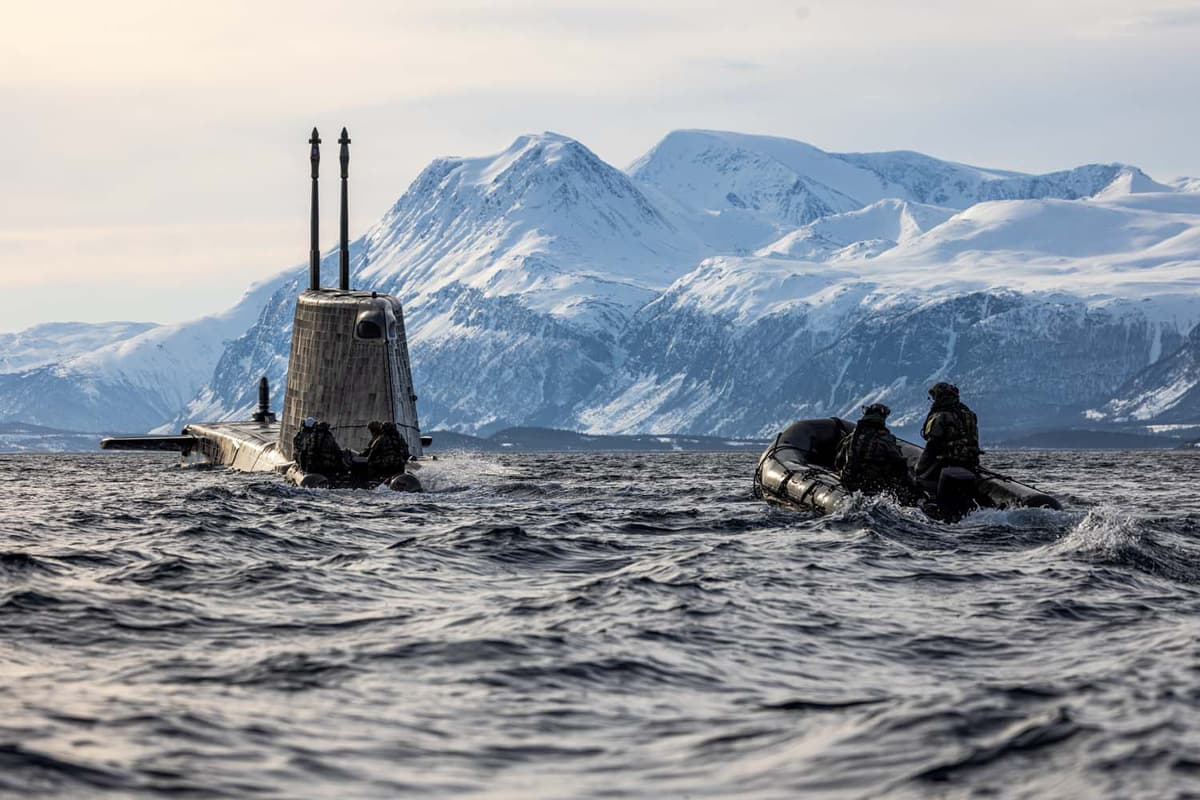
UK Second only to US in Arctic NATO Forces, MoD Tells MPs
Key Takeaways
- •UK ranks second only to US in Arctic‑capable NATO forces
- •First Atlantic Bastion undersea sensors to be deployed in 2026
- •Uncrewed escort vessels to join Royal Navy within two years
- •UK will lead NATO Combined Air Operations Centre North‑West in Norway
Pulse Analysis
The Arctic has moved from a peripheral theater to a strategic flashpoint as melting ice opens new shipping routes and untapped mineral deposits. Russia’s refurbishment of Cold‑War bases on the Kola Peninsula and its aggressive navigation controls on the Northern Sea Route underscore a renewed near‑term threat, while China’s investment in dual‑use ports, undersea cables and an emerging nuclear ice‑breaker fleet adds a longer‑term dimension. Climate‑driven accessibility amplifies competition among NATO members to protect maritime lines of communication and deter hostile undersea activity.
In response, the United Kingdom is rolling out a triad of capabilities—Atlantic Bastion, Shield and Strike—to reinforce the Euro‑Atlantic defence posture. Bastion focuses on under‑sea surveillance, with the first sensor arrays slated for deployment in 2026 and integration onto Type‑26 frigates. Within two years, uncrewed escort vessels will augment Royal Navy warships, providing scalable sensor, decoy and weapons packages for sustained High‑North presence. The RAF is sharpening cold‑weather proficiency through Typhoon trials in Finland and Chinook deployments inside the Arctic Circle, while P‑8A Poseidon aircraft will support NATO’s largest anti‑submarine exercise, Dynamic Mongoose, in Iceland later 2026. Additionally, the UK will head the new NATO Combined Air Operations Centre North‑West in Bodø, Norway, cementing its command‑and‑control role.
Beyond pure defence, the MoD frames the Arctic push as a catalyst for the UK’s industrial base. Partnerships with firms such as Saab and domestic shipbuilders aim to secure high‑skill jobs and exportable technologies ranging from autonomous maritime platforms to secure communications and space‑based surveillance. By linking military procurement to civilian commercial applications, the strategy seeks to generate economic spill‑overs, bolster the nation’s competitiveness, and reinforce alliances across the Joint Expeditionary Force. This integrated approach positions the UK as a pivotal Arctic stakeholder while driving growth in cutting‑edge sectors.
UK second only to US in Arctic NATO forces, MoD tells MPs
Comments
Want to join the conversation?