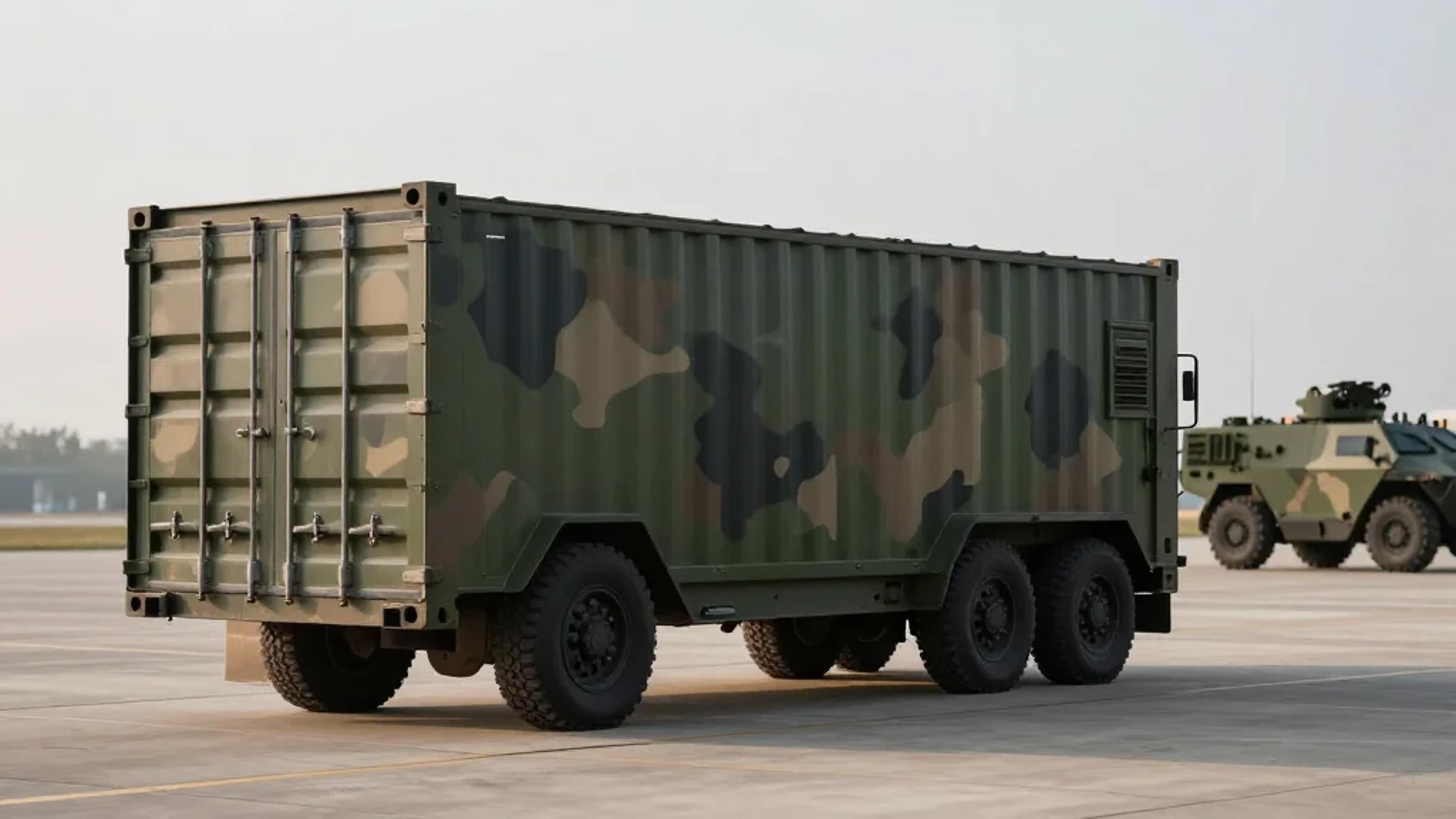
UK Seeking Containerised Armouries for Overseas Bases
•February 11, 2026
0
Why It Matters
Modular, hardened storage boosts the UK’s force protection and logistical agility in distant theatres, underscoring a shift toward rapid‑deployment solutions. It also opens a niche market for defence suppliers meeting stringent compliance standards.
Key Takeaways
- •MoD seeks 20ft armoury, two 10ft containers
- •Contract value £250‑500k, submissions due 13 Feb
- •Targets remote overseas bases lacking permanent infrastructure
- •Containers must meet JSP 440, AASTP‑1, NSPA standards
- •Deployment planned by Feb 2028, locations undisclosed
Pulse Analysis
Containerised armouries are becoming a staple of modern military logistics, offering a plug‑and‑play solution that can be air‑lifted or shipped to austere locations. By integrating armour plates, polymer coatings and built‑in security systems, these units provide protection against kinetic threats while maintaining a small footprint. The UK’s specification aligns with NATO‑approved standards such as JSP 440 and AASTP‑1, ensuring interoperability and simplifying certification for manufacturers. This trend reflects a broader move toward modular, resilient infrastructure that can be rapidly deployed and easily upgraded as operational needs evolve.
The United Kingdom maintains a dispersed network of overseas installations, from the Arctic outposts in Norway to the Falkland Islands, Cyprus, Gibraltar, Oman and Singapore. Many of these sites lack permanent, hardened storage facilities, exposing ammunition and equipment to theft, sabotage or accidental detonation. The new containerised armouries will fill that gap, delivering secure, climate‑controlled environments that can be integrated into existing bases without extensive construction. By standardising storage across diverse geographies, the MoD enhances force protection, streamlines supply chain management, and reduces the logistical burden of maintaining legacy depots.
For defence contractors, the tender represents a lucrative entry point into a niche yet growing market for compliant, modular storage solutions. Meeting the stringent JSP 440, AASTP‑1 and NSPA criteria requires specialised engineering, creating opportunities for firms with existing NATO‑certified product lines. Successful delivery could pave the way for further contracts as the UK and allied nations modernise their overseas logistics. Moreover, the emphasis on rapid deployment and scalability may influence future procurement strategies, encouraging a shift away from static infrastructure toward adaptable, container‑based assets.
UK seeking containerised armouries for overseas bases
Richard Thomas · February 11, 2026
The UK military is seeking armoured containers to be used as ammunition stores and workshops.
-
The containerised units will be situated within existing UK military locations located overseas
-
The UK operates a string of overseas bases across Europe, the South Atlantic, the Middle East, and into the Indo‑Pacific
-
Such armoured units would be useful for locations that may not have established infrastructure
The UK Ministry of Defence (MoD) is seeking the provision of armoured containers for use at overseas sites operated by the British military, to be operated as armouries, ammunition stores, and workshops.
Contracted via Unite Procurement UK and published on the UK Government tender site in late‑January, the UK MoD listed a requirement for a 20 ft containerised armoury, a 10 ft containerised ammunition store, and a 10 ft containerised workshop.
According to the contract tender the deadline for submissions is 13 February, with the deal valued at between £250,000 to £500,000 ($340,000 to $680,000). Delivery of the containerised weapons depot units is due for completion by February 2028.
All containers should be JSP 440, AASTP‑1 (Edition C), DSA OME Part 2 and NSPA compliant as appropriate, the tender stated.
The containerised units will be stationed to UK personnel overseas and installed in a static capacity within existing UK‑managed infrastructure in replacement of older systems that are no longer considered suitable.
Such armoured containers are used by militaries around the world, offering secure storage in remote or unprepared locations. The addition of armour plates and polymer coatings provides a degree of physical resistance to kinetic threats, with other measures such as security doors and in‑built security systems also commonly fitted.
Where are the UK’s overseas bases?
The UK operates a range of overseas bases and military/mixed‑use sites, from the Norwegian Arctic in the High North to the RAF base at Mount Pleasant on the Falkland Islands.
Military sites in warmer climes include the Sovereign Base Areas of Dhekelia and Akrotiri on Cyprus, the Gibraltar naval base, the Duqm training area in Oman, and the British Defence Singapore Support Unit.
The UK also maintains a naval support facility at Mina Salman in Bahrain, although a recent draw‑down of naval vessels in the region leaves its fate in the balance.
It is unknown where the containerised units will be deployed.
0
Comments
Want to join the conversation?
Loading comments...