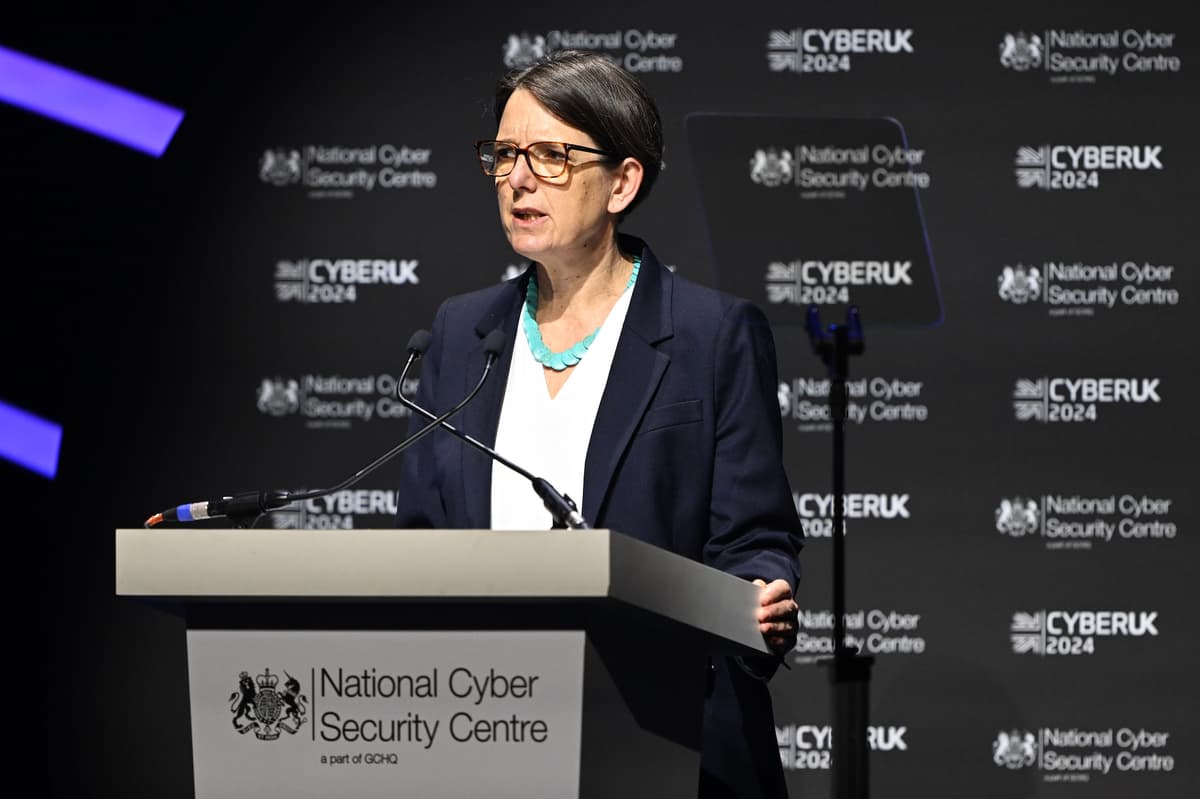
UK Spy Chief Labels AI ‘Unstoppable Force’ with Offensive, Defensive Ramifications for Cyberspace
Why It Matters
AI‑enhanced cyber capabilities threaten national security and economic stability, prompting governments and firms to rethink defense strategies.
Key Takeaways
- •AI enables cyber attacks below traditional warfare thresholds
- •GCHQ embeds agentic AI into defensive operations responsibly
- •China and Russia intensify AI‑driven hybrid cyber campaigns
- •Regulators warn AI will amplify cyber risk across sectors
Pulse Analysis
The GCHQ director’s warning comes at a moment when artificial intelligence is moving from a research curiosity to a core component of state‑level cyber arsenals. Advanced language models and generative systems can discover software flaws faster than human analysts, turning routine code reviews into automated vulnerability hunts. This capability lowers the entry barrier for hostile actors, allowing nation‑states and criminal groups to launch sophisticated attacks that blur the line between espionage and open conflict. As AI models become more autonomous, the speed and scale of cyber intrusions could outpace existing detection frameworks, reshaping the strategic calculus of digital warfare.
In response, GCHQ has begun embedding "agentic" AI into its defensive toolkit, a move that blends machine‑driven threat hunting with human oversight. The agency stresses responsible and ethical integration, aiming to avoid the pitfalls of unchecked automation such as false positives or inadvertent escalation. By leveraging AI to monitor network traffic, predict attack vectors, and orchestrate rapid patching, defenders hope to close the gap created by adversaries’ AI‑enhanced offenses. However, the rapid rollout raises questions about data privacy, algorithmic bias, and the need for transparent governance structures that can keep pace with evolving threats.
The broader implication for policymakers and industry leaders is clear: AI is no longer a peripheral concern but a central pillar of cyber risk management. Regulators in the United States, Europe and beyond are already drafting legislation to mandate AI safety standards, while private firms must invest in talent and infrastructure capable of integrating advanced analytics into their security operations. Collaboration between governments, academia, and the tech sector will be essential to develop shared threat intelligence, establish ethical norms, and ensure that the unstoppable force of AI serves to protect, rather than destabilize, the global digital ecosystem.
UK spy chief labels AI ‘unstoppable force’ with offensive, defensive ramifications for cyberspace
Comments
Want to join the conversation?
Loading comments...