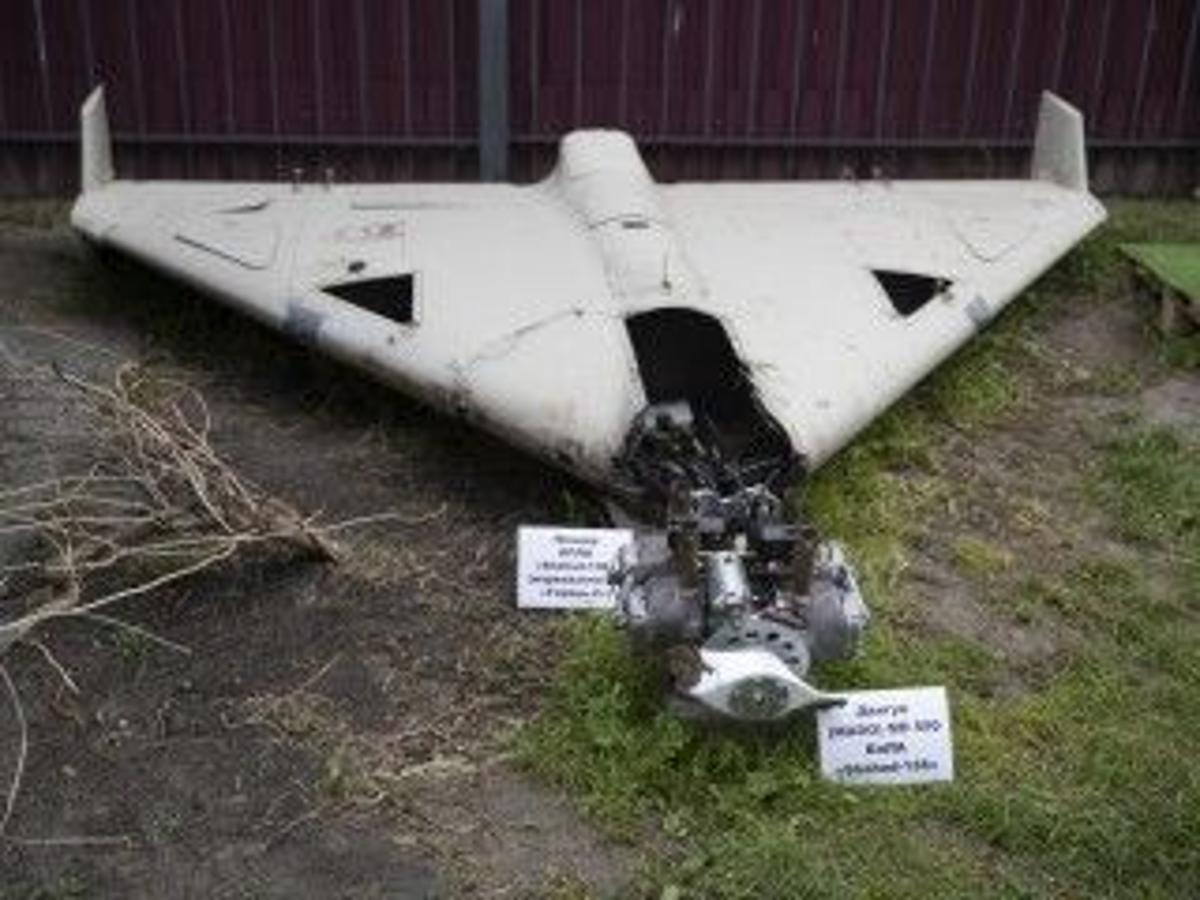
Ukraine Answers Shaheds with Autonomous Interceptors
Why It Matters
By reducing human reaction time, the drones improve Ukraine’s ability to defend densely populated areas against mass drone attacks, preserving critical infrastructure and civilian lives.
Key Takeaways
- •Autonomous drones automate 95% of Shahed interception process
- •System handles take‑off, navigation, target recognition, and kill
- •Combat‑tested drones cut response time to mass attacks
- •Brave1 programme scales autonomous interceptors to protect Ukrainian cities
- •Shahed drones cheap, swarm tactics strain conventional air defenses
Pulse Analysis
The Russian‑Ukrainian conflict has seen a surge in the use of Iranian‑made Shahed loitering munitions, prized for their low cost and ability to be launched in large swarms. Ukrainian cities have struggled to absorb the sheer volume of these cheap drones, which can overwhelm traditional radar‑guided missile systems and cause significant civilian casualties and infrastructure damage. As the war drags on, the need for a more resilient, rapid‑response air‑defence layer has become a strategic priority for Kyiv.
Enter the autonomous interceptor drone, a home‑grown solution that automates roughly 95% of the kill chain. After a human operator identifies a potential Shahed on a live feed, the system takes over: it launches the interceptor, navigates to the target, recognises the hostile drone, and executes the engagement without further human input. This high degree of autonomy slashes decision‑making latency, allowing Ukraine to counter mass attacks that would otherwise saturate manual control stations. The technology, vetted in combat under the Brave1 programme, leverages AI‑driven visual processing and precision guidance to achieve reliable kills against fast‑moving, low‑observable threats.
The broader implications extend beyond the immediate battlefield. Scaling autonomous interceptors could reshape how nations defend against swarming drone tactics, prompting a shift toward AI‑centric air‑defence architectures worldwide. For Ukraine, the deployment promises to safeguard critical urban centres, maintain morale, and preserve economic activity amid ongoing hostilities. International observers are watching closely, as the success of these systems may accelerate export interest and spur further investment in autonomous defence technologies, heralding a new era of unmanned, self‑directed air‑space protection.
Ukraine answers Shaheds with autonomous interceptors
Comments
Want to join the conversation?
Loading comments...