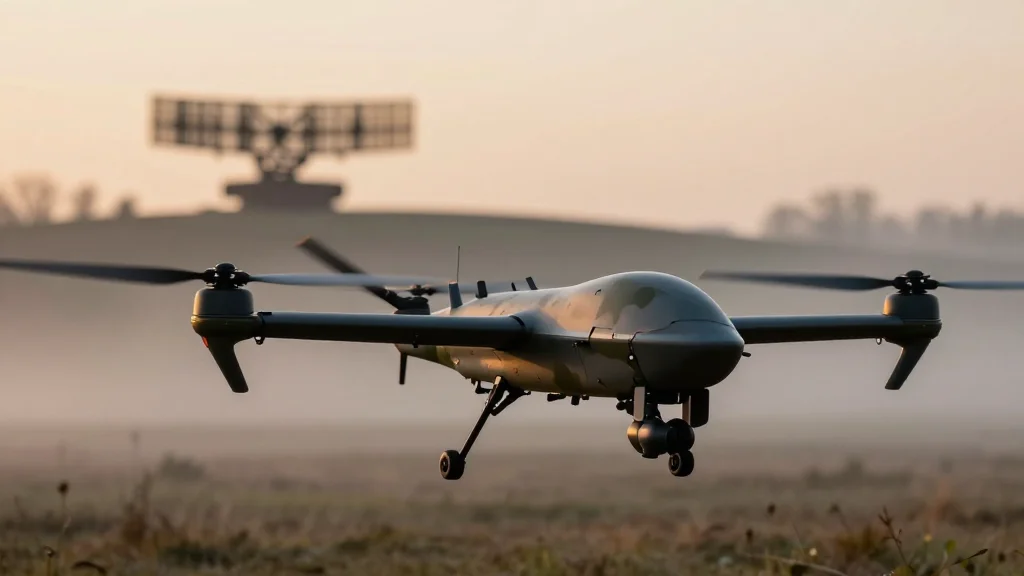
Ukraine Begins Combat Tests of Terra A1 Interceptor Drone, Deploys P1‑SUN Air‑Defence System

Companies Mentioned
Why It Matters
The deployment of Terra A1 and P1‑SUN marks a strategic pivot for Ukraine, moving away from reliance on expensive, imported missile systems toward a domestically sourced, scalable defence model. By reducing the per‑engagement cost, Kyiv can sustain higher interception rates against the relentless Russian drone barrage, preserving critical infrastructure and civilian lives. Beyond the immediate battlefield, the initiative showcases how private‑sector innovation can be accelerated in a wartime environment, potentially reshaping global defence procurement. If successful, the model could inspire other countries to adopt similar low‑cost, AI‑driven air‑defence architectures, altering the economics of aerial warfare and prompting legacy missile manufacturers to adapt.
Key Takeaways
- •Terra Drone began combat testing of its Terra A1 interceptor drone on Ukrainian frontlines.
- •Ukraine's Ministry of Defence started integrating the AI‑driven P1‑SUN air‑defence network.
- •Terra A1 costs under $5,000 per unit, far cheaper than $150,000‑plus missiles.
- •Private firms are supplying radar pods and control stations to create a hybrid defence system.
- •Live‑fire evaluation of Terra A1 scheduled for early May; full P1‑SUN rollout targeted by summer.
Pulse Analysis
Ukraine’s rapid adoption of interceptor drones reflects a broader shift in modern warfare: affordability and speed of iteration now rival raw firepower. The Terra A1’s low unit cost enables a saturation strategy, where dozens of cheap drones can be launched against a single high‑value target, overwhelming traditional missile‑based defences. This approach also mitigates supply‑chain vulnerabilities, as Ukraine can produce or procure drones locally rather than depend on foreign missile deliveries that are subject to political and logistical delays.
From a market perspective, the move could accelerate investment into the Ukrainian drone ecosystem, attracting venture capital and foreign defence contractors eager to tap into a proven combat environment. However, the reliance on AI and autonomous guidance raises concerns about cyber‑security and electronic‑warfare resilience. Adversaries may develop jamming or spoofing techniques to neutralise the P1‑SUN network, prompting a new arms race focused on electronic counter‑measures rather than kinetic weapons.
In the longer term, the success of Terra A1 and P1‑SUN could influence NATO’s own air‑defence doctrines. If cheap hunter drones can reliably replace a portion of high‑cost missile interceptors, alliance members may reconsider budget allocations, favouring mixed‑layered defences that combine legacy systems with swarms of autonomous drones. This hybrid model could become the new standard for defending against low‑cost, high‑volume threats, reshaping procurement strategies across Europe and beyond.
Ukraine Begins Combat Tests of Terra A1 Interceptor Drone, Deploys P1‑SUN Air‑Defence System
Comments
Want to join the conversation?
Loading comments...