Ukraine Deploys Lima EW System, Long‑Range Drones and Aerostats to Counter Russian Missiles

Why It Matters
The convergence of electronic warfare, long‑range drones, and aerostat‑based ISR signals a shift toward cost‑effective, software‑centric defence solutions that can counter high‑tech threats like hypersonic missiles. If Ukraine’s claims hold up, they could inspire NATO members to invest more heavily in EW platforms that disrupt rather than destroy, reshaping procurement priorities away from expensive kinetic interceptors. Moreover, the demonstrated ability of relatively low‑cost drones to strike deep into Russian territory challenges traditional notions of strategic reach, potentially prompting other nations to develop similar unmanned strike brigades. The aerostat model also offers a template for nations with limited air‑defence budgets to achieve persistent surveillance and electronic attack capabilities. By combining these layers—EW, drones, and balloons—Ukraine is creating a resilient, multi‑domain defence architecture that could become a benchmark for future conflicts where budget constraints and asymmetric threats dominate the battlefield.
Key Takeaways
- •Lima EW system claims 58 of 59 Kinzhal hypersonic missiles neutralised, according to Cascade Systems and Night Watch unit.
- •Drone commander Robert Brovdi reports strikes on Russian oil terminals, ports and a refinery within a 1,250‑mile radius.
- •Ukrainian drones have reportedly caused 30,000‑34,000 Russian casualties per month for five consecutive months.
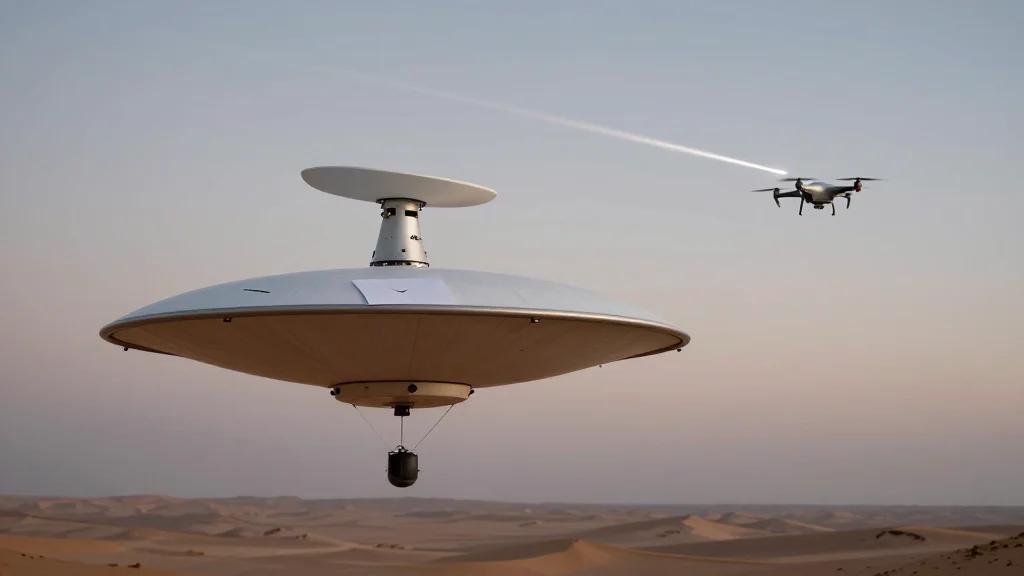
- •Aerobavovna’s aerostats can stay aloft for weeks, providing radar, surveillance and EW payloads at altitudes above 10 km.
- •Ukraine’s approach offers a low‑cost alternative to dwindling Patriot interceptor stocks and may influence NATO procurement.
Pulse Analysis
Ukraine’s current trajectory illustrates how a resource‑constrained nation can leverage technology to offset conventional disadvantages. The Lima system’s alleged success against Kinzhal missiles, if substantiated, would be a watershed for EW, proving that signal‑jamming and spoofing can defeat weapons previously thought invulnerable to non‑kinetic means. This could accelerate Western R&D into hybrid EW suites that blend cyber‑attack vectors with traditional jamming, a field that has lagged behind kinetic missile defence.
The drone campaign, meanwhile, underscores the strategic value of loitering munitions and commercially available UAVs repurposed for combat. By targeting energy infrastructure, Brovdi’s unit is not only degrading Russia’s war‑fighting capacity but also striking at the economic lifeline that funds the conflict. This aligns with a broader trend where modern wars are fought as much on the economic front as on the battlefield, and where precision strikes can have outsized strategic effects.
Finally, the aerostat deployment reflects a pragmatic answer to the radar‑coverage gap that many NATO allies face. High‑altitude balloons are cheap, hard to detect, and can carry a suite of sensors that feed data into the same network that controls Lima and drone assets. The integration of these three layers—EW, drones, and aerostats—creates a resilient, multi‑domain defence architecture that could become a template for future conflicts where budget constraints and asymmetric threats dominate the battlefield. As NATO watches, the Ukrainian model may drive a shift toward more modular, software‑centric defence postures worldwide.
Ukraine Deploys Lima EW System, Long‑Range Drones and Aerostats to Counter Russian Missiles
Comments
Want to join the conversation?
Loading comments...