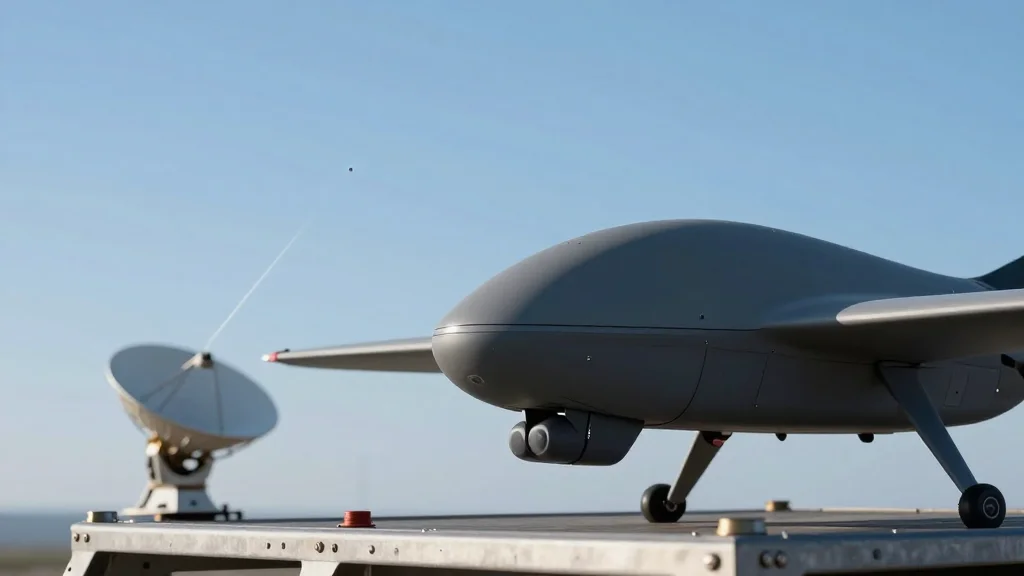
Ukraine Deploys P1‑Sun Drone, Letting Pilots Operate From Thousands of Miles Away

Why It Matters
The P1‑Sun's remote‑piloting capability addresses a critical vulnerability in Ukraine's air‑defence: the exposure of human operators to Russian targeting. By decoupling pilots from the battlefield, Ukraine can sustain higher sortie rates and preserve skilled personnel, a decisive advantage in a protracted drone war. Moreover, the low cost of the interceptors—$2,000 per unit—means the system can be fielded at scale without draining limited defense budgets. Beyond the immediate conflict, the technology signals a shift in how smaller nations may counter high‑volume drone attacks. Satellite‑linked control offers a cost‑effective path to extend air‑defence reach without investing in expensive manned fighter platforms. If the model proves reliable, it could spur a new class of export‑ready, remotely operated interceptors for allies facing similar threats.
Key Takeaways
- •P1‑Sun interceptor drone can be piloted from up to 1,200 miles via Starlink satellite internet
- •Remote operation removes pilots from front‑line targeting, improving survivability
- •Individual interceptor units cost as little as $2,000, far cheaper than Shahed drones
- •Ukrainian interceptor drones have doubled the share of Shaheds shot down since early 2026
- •Wild Hornets' HORNET VISION Ctrl system enables remote control from hundreds of kilometres away
Pulse Analysis
Ukraine's adoption of satellite‑linked remote piloting marks a tactical inflection point in low‑cost air‑defence. Historically, interceptor drones required line‑of‑sight radio links, limiting operators to forward bases within a few dozen kilometres of the launch site. By leveraging commercial constellations, Ukraine sidesteps this constraint, effectively turning any location with broadband connectivity into a command hub. This not only shields pilots from direct Russian fire but also creates redundancy; if one ground node is compromised, another can assume control.
From a market perspective, the move could catalyze a wave of innovation among defense firms targeting the "drone‑vs‑drone" niche. Companies that can integrate secure, low‑latency satellite links with affordable airframes stand to capture export orders from nations lacking sophisticated air‑defence infrastructure. However, the reliance on external satellite providers introduces a geopolitical risk: any disruption to Starlink service—whether technical or political—could blunt Ukraine's defensive edge.
Looking ahead, the key challenge will be scaling the command‑and‑control architecture while maintaining cybersecurity. Remote piloting opens a new attack surface for electronic warfare, and adversaries will likely invest in jamming or spoofing satellite links. Ukraine's ability to harden its communications and diversify satellite providers will determine whether the P1‑Sun remains a resilient asset or becomes a vulnerable node in a contested information environment.
Ukraine Deploys P1‑Sun Drone, Letting Pilots Operate From Thousands of Miles Away
Comments
Want to join the conversation?
Loading comments...