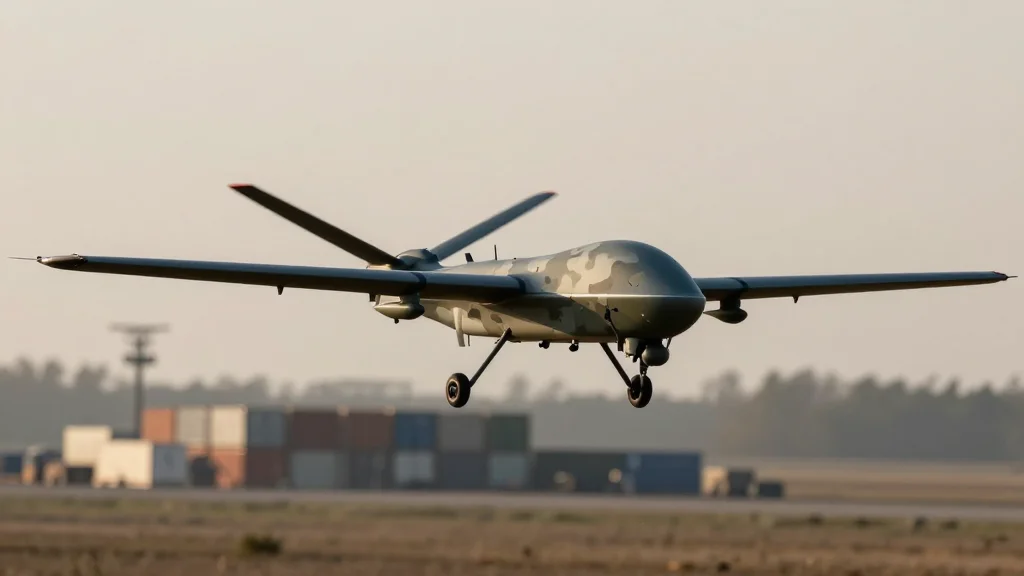
Ukraine Is Winning the Drone War with Strike Campaign Behind Russian Lines
Why It Matters
By degrading Russian logistics and air‑defence networks, Ukraine gains operational freedom for deeper strikes, reshaping the strategic balance in the conflict and setting a benchmark for modern drone warfare.
Key Takeaways
- •Ukraine executed ~365 mid‑range drone strikes in 12 months.
- •Half of strikes targeted Russian air defenses, radar, and missile sites.
- •New commander Brovdy unified drone units and secured resources.
- •Domestic drones feature enhanced navigation and electronic‑warfare resistance.
- •Mid‑range strikes create corridors for long‑range attacks on Russian infrastructure.
Pulse Analysis
The Ukraine‑Russia conflict has become the world’s first full‑scale drone war, and the latest evolution is a focused mid‑range strike campaign. Operating between 20 and 300 kilometres from the front, Ukrainian unmanned systems now target supply depots, command nodes, and air‑defence installations that sustain Russia’s forward thrust. This shift reflects a strategic understanding that crippling rear‑area logistics can be as decisive as frontline engagements, especially when conventional breakthroughs are elusive. By striking daily, Kyiv forces a constant attrition cycle that forces Russian commanders to divert resources to protect deeper assets.
A critical enabler of this new doctrine is the appointment of Robert “Magyar” Brovdy as head of the Unmanned Systems Forces in mid‑2025. Brovdy broke inter‑service silos, coordinated drone squadrons, and secured funding for a dedicated mid‑range fleet. Ukrainian manufacturers responded with purpose‑built platforms that combine longer endurance, precision navigation, and hardened electronics to survive Russian jamming. These home‑grown drones, largely produced domestically, reduce reliance on foreign suppliers and allow rapid iteration based on battlefield feedback, positioning Ukraine as a burgeoning hub for drone innovation.
The operational impact is already evident. Persistent attacks on air‑defence batteries and radar arrays have opened aerial corridors that enable longer‑range Ukrainian strikes against Russian missile factories and energy infrastructure. This degradation of Russian rear‑area capabilities not only improves Kyiv’s offensive options but also signals to global defense markets the effectiveness of adaptable, locally sourced drone solutions. As Gulf states eye Ukrainian interceptor‑drone technology, the campaign may catalyze a new export niche, while Russia’s counter‑measures will likely accelerate its own unmanned development, perpetuating a rapid arms‑race in drone warfare.
Ukraine is winning the drone war with strike campaign behind Russian lines
Comments
Want to join the conversation?
Loading comments...