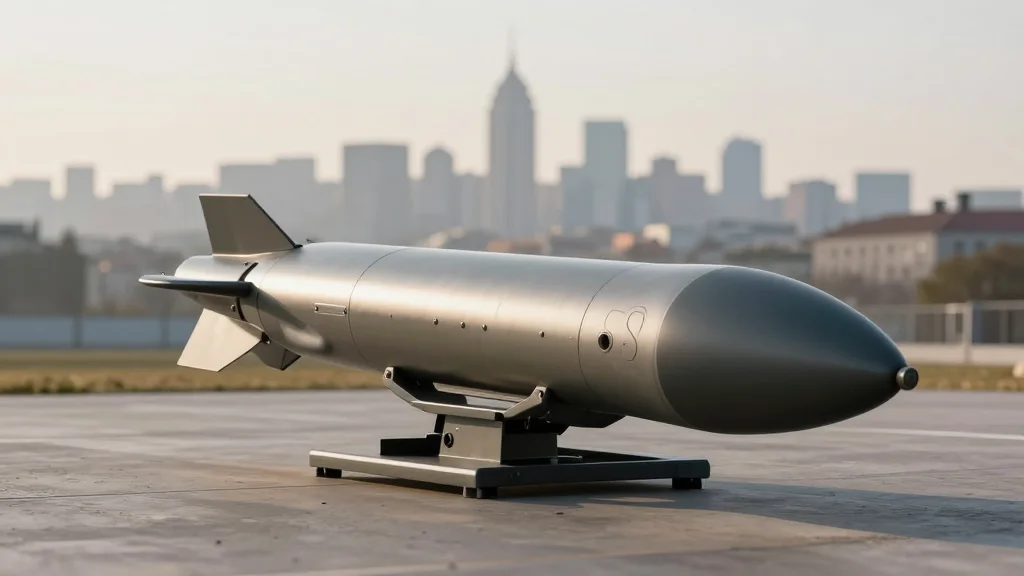
Ukraine Pushes for Europe to Build Defence System Against Ballistic Weapons
Why It Matters
A European‑wide missile shield would reduce Ukraine’s reliance on dwindling U.S. Patriot stocks and bolster continental security against Russian ballistic attacks. It also opens a new market for European defence firms seeking alternatives to U.S. hardware.
Key Takeaways
- •Zelensky urges Europe to develop its own anti‑ballistic missile system
- •Ukraine seeks a launch-ready European defense within one year
- •Patriot missile shortages push search for low‑cost alternatives
- •Fire Point plans European air‑defence system by 2027
Pulse Analysis
Russia’s relentless use of short‑range ballistic missiles against Ukraine’s power infrastructure has exposed a critical gap in Europe’s collective defence. While the U.S. Patriot system can intercept some of these threats, its limited availability—exacerbated by deployments in the Gulf—means allies are scrambling for alternatives. Ukraine’s plea for a European‑wide shield reflects both a tactical necessity on the ground and a strategic push for greater self‑reliance in the face of a protracted conflict.
The push faces several hurdles. Europe’s sole indigenous anti‑ballistic platform, the Italo‑French SAMP/T, is produced in modest quantities and cannot meet the scale demanded by the current crisis. Simultaneously, Patriot missiles are being diverted to counter Iranian aggression, tightening supply chains. Against this backdrop, Ukrainian defence contractor Fire Point is courting European firms to develop a low‑cost air‑defence system slated for 2027, aiming to fill the short‑term void and create a longer‑term alternative to U.S. hardware. The timeline—one year for an operational shield—requires unprecedented coordination among NATO members, joint funding mechanisms, and rapid procurement pathways.
If Europe can deliver a functional anti‑ballistic network, the geopolitical balance shifts. A home‑grown shield would diminish Kyiv’s dependence on U.S. arms, granting European capitals more strategic latitude in supporting Ukraine. It would also stimulate the continent’s defence industrial base, encouraging innovation and competition in missile‑intercept technology. Moreover, a successful European system could serve as a deterrent, signaling to Moscow that ballistic attacks on the continent would be met with a credible, integrated response, thereby reinforcing NATO’s collective security doctrine.
Ukraine pushes for Europe to build defence system against ballistic weapons
Comments
Want to join the conversation?
Loading comments...