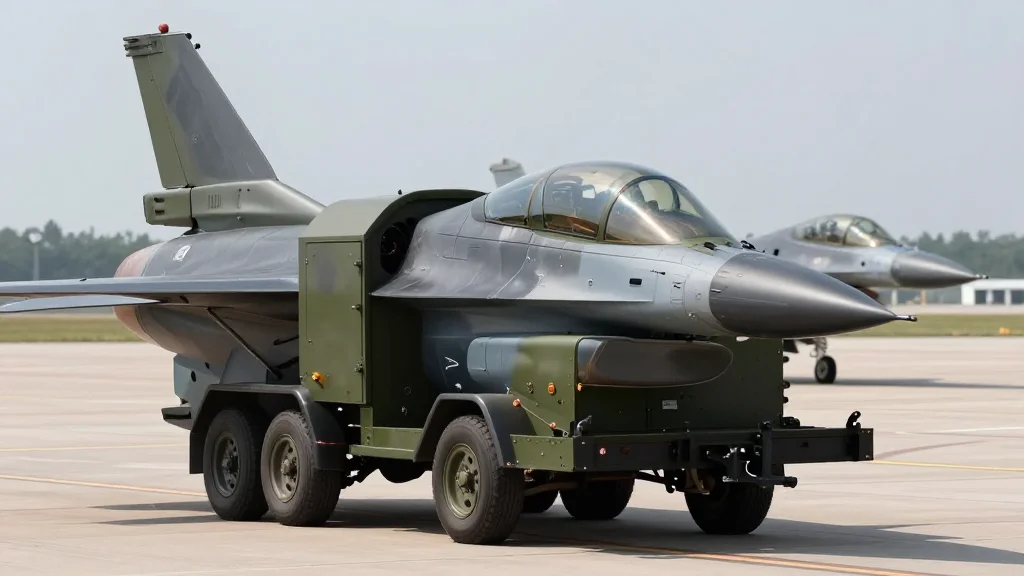
Ukraine Receives First Mobile F-16 Simulators for Pilot Training
Why It Matters
The mobile simulators boost Ukraine’s air‑defense readiness by accelerating pilot proficiency while reducing wear on costly F‑16 jets, strengthening the country’s alignment with NATO standards.
Key Takeaways
- •Mobile F‑16 simulators arrive, boosting Ukraine pilot training capacity
- •Mobility lets rapid relocation, enhancing security against threats
- •Simulators cut aircraft wear, lowering long‑term training expenses
- •Higher sortie frequency accelerates pilots’ readiness for combat missions
- •Aligns Ukraine’s training with NATO standards, improving interoperability
Pulse Analysis
The introduction of mobile F‑16 simulators comes at a pivotal moment for Ukraine’s air force, which has been rapidly integrating Western fighter jets amid an ongoing conflict. While the delivery of actual F‑16 aircraft garners headlines, the simulators provide a low‑risk environment where pilots can master complex flight dynamics, weapons systems, and emergency procedures before stepping into a real jet. By mirroring the cockpit layout and flight characteristics of the F‑16, these trainers compress the learning curve, allowing the Ukrainian Air Force to field combat‑ready pilots faster than traditional training pipelines.
Beyond accelerating skill acquisition, the simulators’ mobility offers strategic advantages. They can be moved to secure locations or forward operating bases, reducing vulnerability to enemy targeting and ensuring continuous training even under threat. This flexibility also supports regional training hubs, tailoring curricula to specific geographic challenges such as low‑altitude mountain operations. Cost efficiency is another key benefit: each simulated flight replaces multiple real‑world sorties, preserving the airframe’s service life and cutting fuel and maintenance expenses, which is critical given the high operational cost of F‑16s.
Strategically, the mobile simulators signal Ukraine’s deeper integration with NATO training standards. By adopting NATO‑compatible simulation technology, Ukraine not only enhances interoperability with allied forces but also creates a platform for joint exercises and knowledge exchange. This alignment strengthens collective defense postures and signals to partners that Ukraine is building a modern, resilient air capability capable of sustaining prolonged high‑intensity operations.
Ukraine receives first mobile F-16 simulators for pilot training
Comments
Want to join the conversation?
Loading comments...