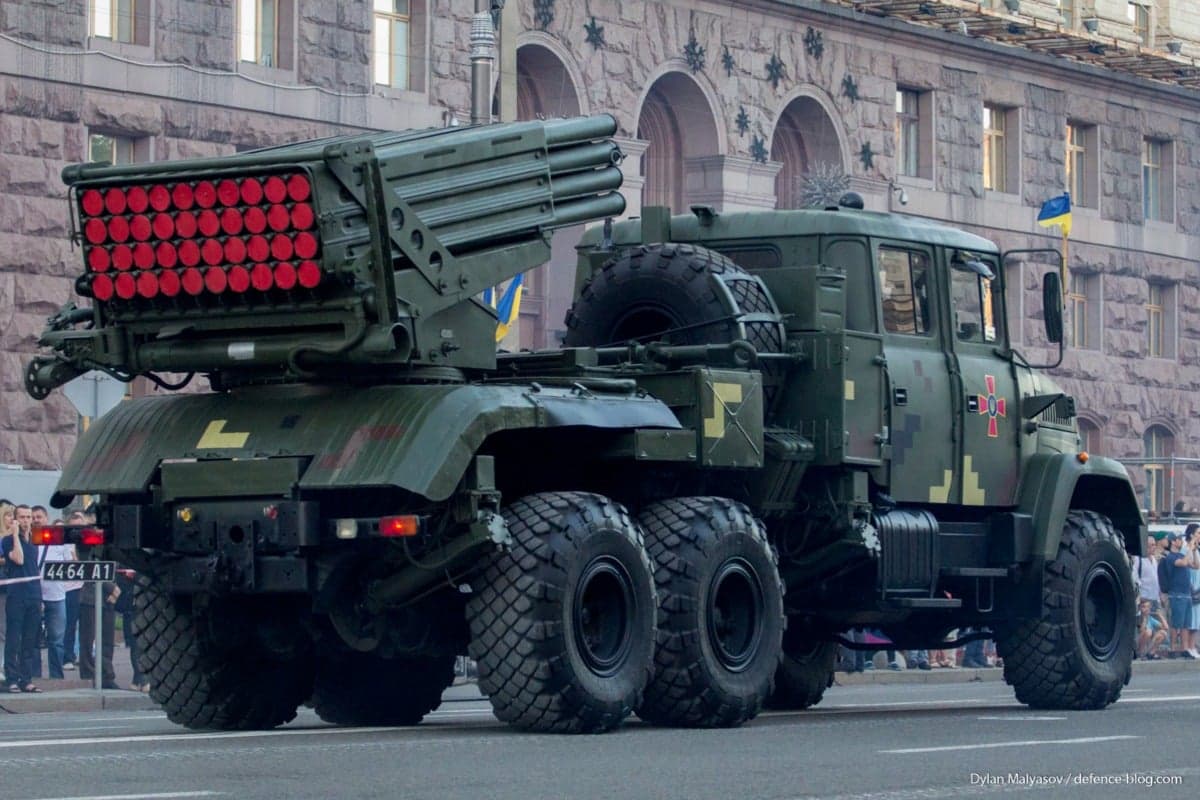
Ukraine Sets 2,000km Strike Target in New Artillery Doctrine
Why It Matters
A 2,000 km reach puts most of European Russia within Ukrainian strike range and reduces reliance on unpredictable foreign arms deliveries, reshaping the strategic balance in the conflict.
Key Takeaways
- •2,000 km strike range set as doctrinal goal by 2030
- •Domestic missile and artillery production to replace Soviet‑era systems
- •Standardizing calibers aims to simplify logistics
- •Drones become core artillery reconnaissance and targeting tool
- •Long‑range capability threatens Russian strategic infrastructure
Pulse Analysis
Ukraine’s artillery has evolved from a patchwork of Soviet relics and ad‑hoc Western aid into a cornerstone of its defence strategy. Early in the war, Kyiv relied heavily on imported howitzers, HIMARS launchers and assorted ammunition, creating a logistical nightmare of mismatched calibers and spare‑parts chains. The newly approved 2030 concept flips that model, mandating home‑grown missiles and artillery pieces while systematically retiring weapons that cannot be modernised. By consolidating the arsenal around domestically produced systems, Ukraine hopes to secure a reliable supply line insulated from political fluctuations in donor countries.
The doctrinal emphasis on a 2,000 km strike envelope dramatically expands Ukraine’s strategic reach. That radius encompasses the bulk of Russia’s European territory, including key command centres, rail hubs and defence‑industrial sites. While the capability remains aspirational, its public articulation serves as a deterrent signal, forcing Moscow to consider deeper air‑defence layers and stretching its own logistics. Moreover, the integration of unmanned aerial systems as artillery spotters accelerates the kill chain, turning raw firepower into precision‑guided effects without relying solely on expensive guided munitions.
Realising this vision hinges on Ukraine’s ability to scale an indigenous defence industrial base. Existing projects like the Neptune cruise missile and the Palianytsia ballistic prototype demonstrate technical promise, yet mass production demands investment, skilled labour and supply‑chain resilience. If successful, the shift could spawn a new export market for Eastern‑European artillery and missile systems, bolstering the nation’s post‑conflict economy. Conversely, delays or funding gaps could leave the armed forces vulnerable to supply shortfalls, underscoring the high stakes of the 2030 roadmap.
Ukraine sets 2,000km strike target in new artillery doctrine
Comments
Want to join the conversation?
Loading comments...