Ukraine Strikes Black Sea Oil Terminals as Russia Unleashes Drone Barrage
Why It Matters
The escalation underscores a widening energy war that threatens Russia’s fuel logistics and could tighten global oil markets, while Russia’s massive drone campaign tests Ukraine’s air defenses and civilian resilience.
Key Takeaways
- •Ukraine hit Tamanneftegaz terminal, damaging storage and export capacity
- •Russia deployed 1,428 drones in a 24‑hour sustained barrage
- •Ukrainian strikes on Russian energy sites reached four‑month high in April
- •Russia’s oil output may fall to 2009 levels by 2026
Pulse Analysis
The latest wave of hostilities has turned the Black Sea into a contested energy corridor. Russia’s unprecedented deployment of over 1,400 drones in a single day reflects a shift toward saturation tactics, aiming to overwhelm Ukrainian air defenses and create chaos across critical infrastructure. While many of the unmanned systems were decoys, the sheer volume signals Moscow’s intent to leverage sheer numbers to offset Ukraine’s growing anti‑drone capabilities. For Kyiv, surviving the barrage will require layered detection, rapid response, and continued Western support for counter‑UAS technologies.
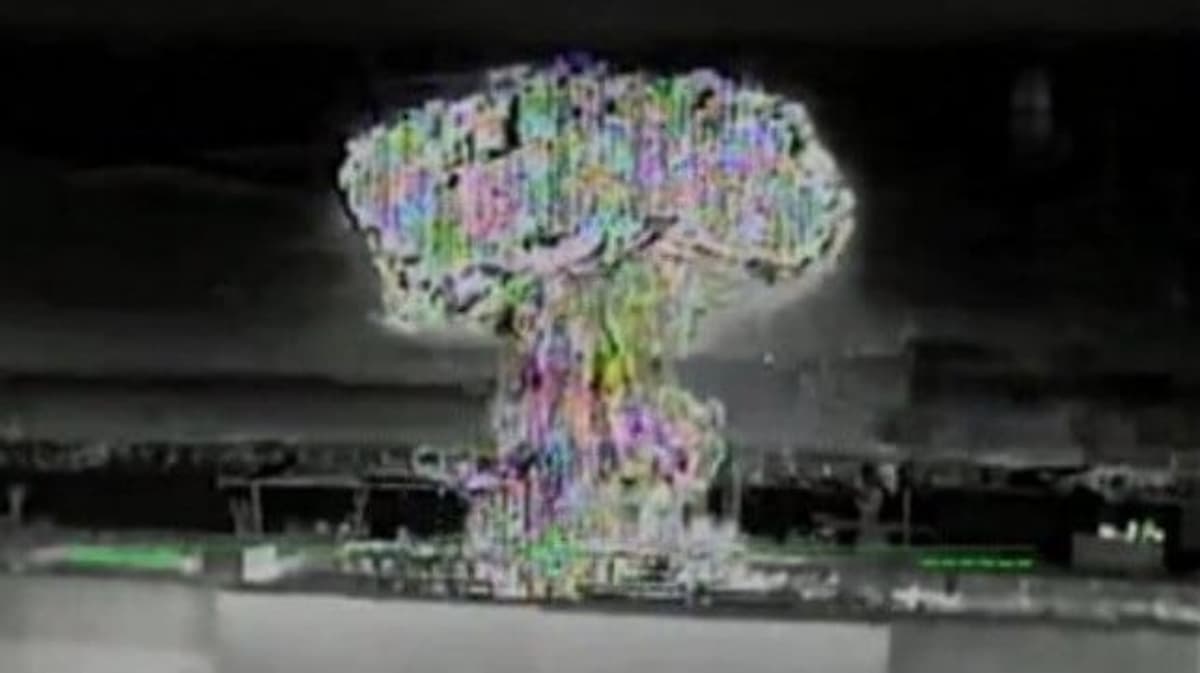
Ukraine’s focus on the Tamanneftegaz terminal and other Russian oil assets is a calculated move to choke the flow of fuel to Russian forces and erode export revenues. The terminal, capable of handling multiple tankers simultaneously, serves as a key node for diesel, gasoline and liquefied gases destined for the front lines and overseas markets. By striking it twice in as many days, Kyiv not only disrupts immediate logistics but also signals to global oil traders that Russian supply chains remain vulnerable, potentially prompting price spikes and reshaping short‑term market expectations.
Beyond the battlefield, these attacks amplify the long‑term trajectory of Russia’s oil sector. Projections of a near‑20‑year production low by 2026 already factor in sanctions, aging fields and reduced investment. Continuous damage to refineries, pipelines and export terminals accelerates that decline, forcing Moscow to rely more heavily on alternative energy sources and domestic reserves. For the international community, the evolving energy war highlights the interconnected risks of geopolitical conflict, sanctions regimes, and global energy security, prompting policymakers to reassess supply diversification strategies.
Ukraine Strikes Black Sea Oil Terminals as Russia Unleashes Drone Barrage
Comments
Want to join the conversation?
Loading comments...