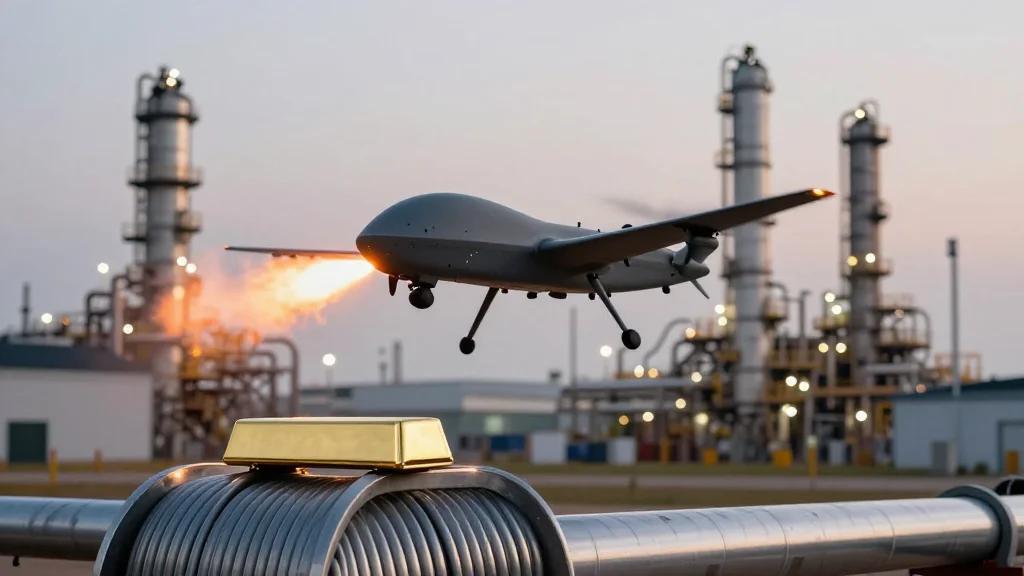
Ukraine Strikes Russian Oil Refineries Hours After US Waives Sanctions on Moscow’s Oil
Why It Matters
The strikes signal Ukraine’s willingness to counter U.S. policy that sustains Russian oil revenues, while the waiver threatens to further fund Moscow’s war effort and tighten global oil market volatility.
Key Takeaways
- •Ukraine hit two Samara refineries and a Krasnodar oil terminal
- •US renewed waiver permits another 100 million barrels of Russian crude
- •Russia’s energy revenue jumped to $19 billion in March
- •Ukrainian officials say strikes are retaliation for US policy
- •Fire at Tikhoretsk depot required 224 personnel and 56 equipment
Pulse Analysis
The U.S. Treasury’s decision to issue a second waiver for Russian crude reflects a delicate balancing act between easing global oil price pressures and maintaining the pressure of sanctions on Moscow. By authorizing the sale of an additional 100 million barrels of stranded oil, Washington aims to keep supply flowing to markets still reeling from the Iran‑Israel conflict and pandemic‑induced demand spikes. Yet the move undermines the broader sanctions regime that seeks to choke off the revenue stream fueling Russia’s military operations, raising questions about the long‑term efficacy of energy‑focused punitive measures.
Ukraine’s coordinated drone campaign underscores a strategic shift toward targeting Russia’s energy infrastructure as a means of economic warfare. Striking the Novokuybyshevsk and Syzran refineries, along with the Tikhoretsk terminal and Vysotsk port, directly threatens the processing capacity that underpins Russia’s export earnings. The fires and disruptions forced the deployment of over 200 emergency responders, highlighting the operational strain on Russian regional authorities. By hitting these assets, Kyiv not only seeks to diminish Moscow’s budgetary inflows but also sends a clear signal that U.S. policy decisions will be met with kinetic responses.
The combined effect of the waiver and the Ukrainian strikes adds a new layer of volatility to an already turbulent oil market. Traders must now weigh the short‑term supply boost from the sanctioned crude against the potential loss of refining throughput in Russia’s western regions. Analysts anticipate that continued targeting of oil facilities could erode Russia’s ability to meet export commitments, potentially tightening global supplies and nudging prices upward despite the waiver’s intent. Policymakers will need to consider whether further sanctions or diplomatic engagement can better align energy security with the goal of limiting Russia’s war‑financing capabilities.
Ukraine strikes Russian oil refineries hours after US waives sanctions on Moscow’s oil
Comments
Want to join the conversation?
Loading comments...