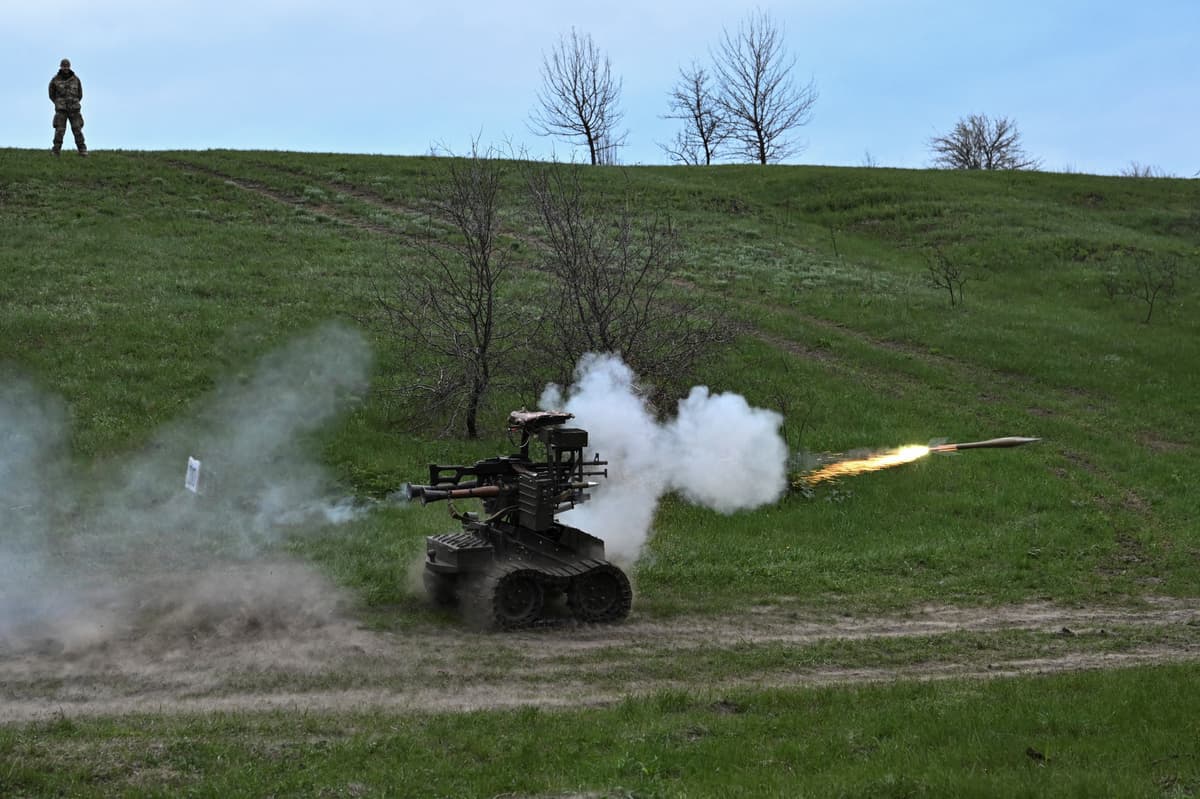
Ukraine to Field 25,000 Ground Robots in Push to Replace Soldiers for Frontline Logistics
Companies Mentioned
Why It Matters
Automating logistics reduces soldier exposure to combat hazards and accelerates supply chains, giving Ukraine a tactical edge while showcasing a replicable defense‑tech model for allied nations.
Key Takeaways
- •Ukraine targets 25,000 UGVs by mid‑2026.
- •Goal: 100% frontline logistics handled by robots.
- •Bizon‑L robot carries 300 kg, 50 km range, NATO‑cataloged.
- •Defense Ministry spent $330 million on drones and UGVs since Jan.
- •300 ground‑drone firms and 175 grants fostered rapid UGV development.
Pulse Analysis
Ukraine’s decision to field 25,000 unmanned ground vehicles marks a decisive shift toward robotic logistics on a warfront that spans roughly 1,200 kilometers. Leveraging a digital procurement system, the Defense Ministry has already funneled about $330 million into drones, UGVs and electronic‑warfare gear, allowing frontline units to order equipment directly from a burgeoning domestic supply chain. This approach not only speeds delivery but also creates a data‑rich feedback loop that refines designs in near‑real time, positioning Ukraine as a testbed for large‑scale autonomous logistics.
The operational impact is immediate. The Bizon‑L robot, now NATO‑cataloged, can transport a 300‑kilogram payload up to 50 kilometers, enabling resupply missions without endangering infantry. President Zelenskyy highlighted a recent success where a fortified Russian position was seized using only aerial drones and UGVs, sparing soldiers from direct combat. By aiming for 100% robotic logistics, Ukraine reduces casualty risk, frees personnel for combat roles, and demonstrates the strategic value of autonomous systems in high‑intensity conflict.
Beyond the battlefield, Ukraine’s rapid ecosystem growth—300 ground‑drone firms, 175 grants, and the Brave1 defense‑tech cluster—signals a scalable model for allied nations seeking to modernize their forces. The influx of private‑sector innovation, combined with government backing, could accelerate export opportunities for UGV technology and set new standards for NATO logistics. As other militaries observe Ukraine’s outcomes, the push for autonomous supply chains may become a cornerstone of future defense procurement strategies.
Ukraine to field 25,000 ground robots in push to replace soldiers for frontline logistics
Comments
Want to join the conversation?
Loading comments...