Ukraine War Drives ‘Minimum Deployable Capability’ Doctrine in Uncrewed Systems Development
Why It Matters
The MDC model enables militaries to equip troops with functional autonomous systems within weeks, cutting acquisition cycles and budgetary pressure. Its emphasis on scalability and low‑cost production could set new standards for both defense and commercial autonomous platforms.
Key Takeaways
- •MDC prioritizes rapid fielding of functional uncrewed systems
- •Syos Aerospace uses lean serial production to cut costs
- •Real‑time operator feedback from Ukraine accelerates design cycles
- •System‑of‑systems architecture enables modular upgrades across platforms
- •Mass production focus strengthens supply chain resilience for defense markets
Pulse Analysis
The protracted conflict in Ukraine has become a live testbed for next‑generation uncrewed platforms, forcing manufacturers to abandon lengthy, monolithic development cycles in favor of speed and adaptability. A growing number of firms now adopt a "minimum deployable capability" (MDC) doctrine, which defines the smallest functional package that can be fielded, mass‑produced, and supported at the lowest possible cost. This shift reflects the urgent demand from front‑line units for reliable, mission‑ready systems that can be delivered within weeks rather than years, reshaping procurement priorities across NATO allies.
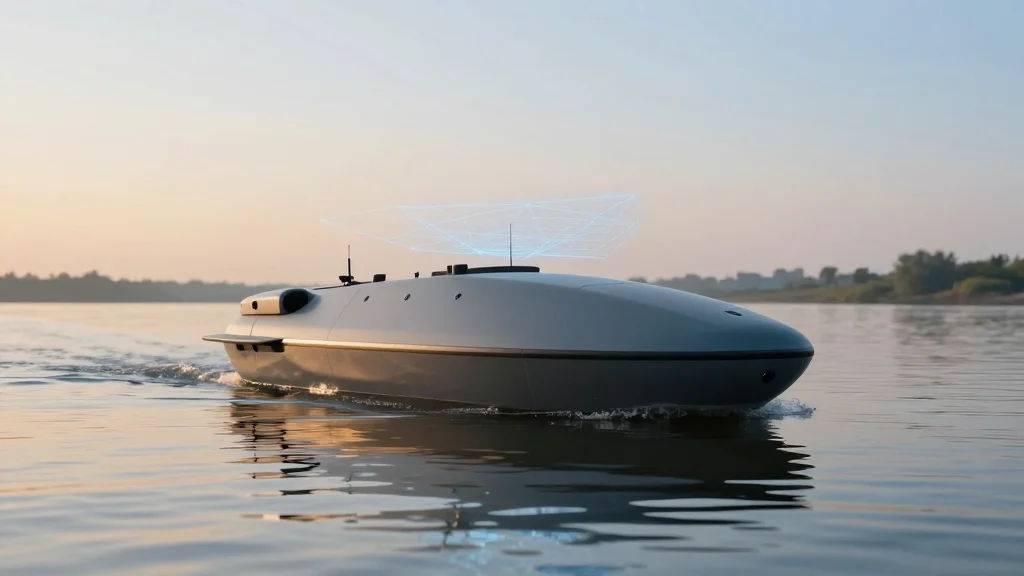
Syos Aerospace, a dual‑headquartered UK‑New Zealand venture, has embedded MDC into every stage of its SM300 unmanned surface vehicle program. By leveraging lean serial production lines, the company trims material waste and shortens assembly time, driving unit costs down to competitive levels for mass orders. Real‑time operator feedback from Ukrainian units feeds directly into iterative design tweaks, creating a rapid loop that mirrors software‑as‑a‑service updates. Moreover, the firm’s system‑of‑systems philosophy treats sensors, propulsion, and command modules as interchangeable blocks, allowing customers to scale capabilities without redesigning the entire platform.
The MDC model is poised to influence broader defense acquisition strategies, especially as budgets tighten and allies seek interoperable solutions. Suppliers that can guarantee a baseline capability at scale will command premium contracts, while those locked into bespoke, high‑cost programs risk marginalization. Beyond the battlefield, the same principles are spilling into commercial sectors such as maritime logistics and offshore energy, where autonomous vessels must be fielded quickly and affordably. However, the emphasis on minimalism also raises questions about survivability, cybersecurity, and the trade‑off between capability depth and rapid deployment.
Ukraine war drives ‘minimum deployable capability’ doctrine in uncrewed systems development
Comments
Want to join the conversation?
Loading comments...