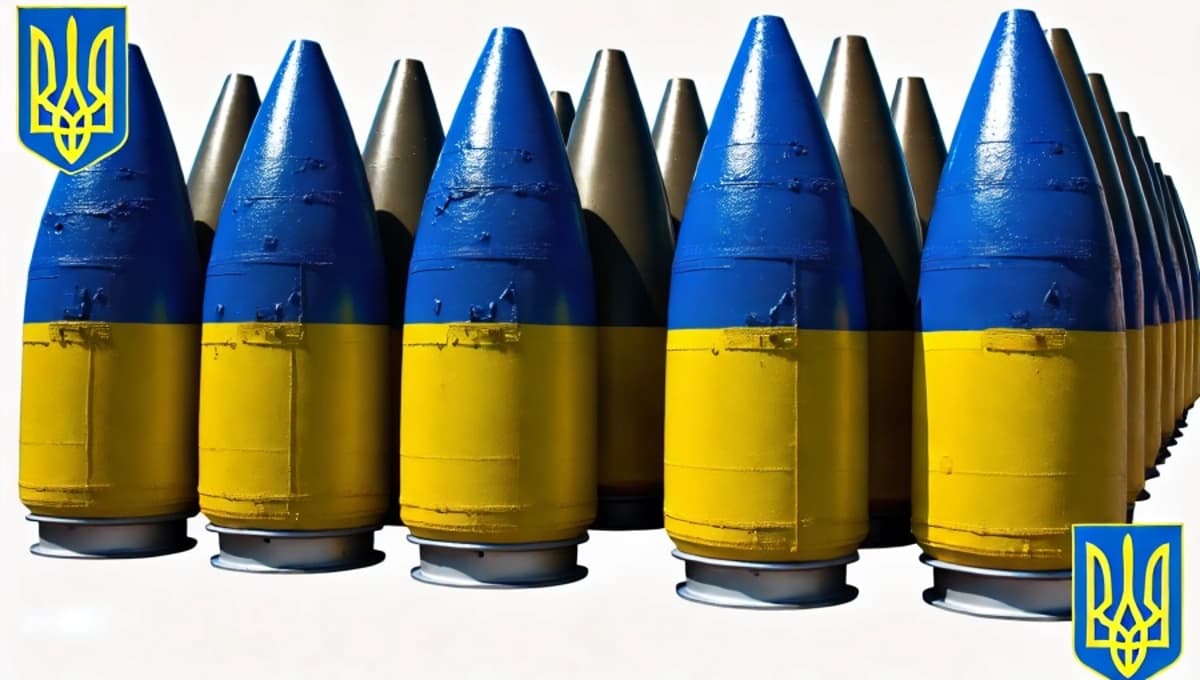
Ukraine's Ammunition Lifeline Frays as US Scales Back Nato Commitments
Why It Matters
Ukraine faces imminent shortages that could weaken its defence, while Europe must shoulder a larger share of NATO’s deterrence without reliable U.S. support.
Key Takeaways
- •Coalition members fell from 18 to 9, halving ammo support
- •Over 4 million shells supplied since 2024, half Ukraine’s stock
- •U.S. cuts fighter jets, bombers, destroyers by up to one‑third
- •€800 bn (€≈$860 bn) ReArm plan aims to offset U.S. pullback
- •Euro‑NATO concept gains traction amid transatlantic strain
Pulse Analysis
The ammunition coalition, launched by Prague in early 2024, was a pragmatic response to dwindling European stockpiles and missed EU production targets. By tapping third‑party sources for Soviet‑ and NATO‑standard shells, the initiative supplied roughly half of Ukraine’s large‑calibre rounds, keeping its artillery lines active. However, the political swing in Czechia after Andrej Babiš reclaimed the premiership prompted a withdrawal of state funding and a rapid loss of half the coalition’s members, jeopardising the supply chain that has delivered more than four million shells to date.
Washington’s recent decision to slash the flow of fighter jets, strategic bombers, destroyers and submarines to NATO allies marks the most pronounced U.S. pull‑back since the alliance’s inception. The move, outlined in the December National Security Strategy, forces Europe to fund and field its own high‑end capabilities. In response, the EU launched the €800 bn ($860 bn) ReArm programme, accelerating indigenous weapons production and prompting discussions of a Euro‑NATO framework that could operate with reduced American involvement. This strategic shift reflects growing frustration in Washington over perceived European defence under‑investment.
For Kyiv, the convergence of a shrinking ammo coalition and a less‑committed U.S. threatens a critical supply gap as the war enters its second year. Shortages in air‑defence munitions and artillery shells could erode frontline effectiveness before the summer campaigning season. European manufacturers are now under pressure to scale up output, but capacity constraints and export‑control hurdles may limit rapid replacement. The evolving dynamics signal a longer‑term rebalancing of transatlantic security responsibilities, with Ukraine and Europe bearing the brunt of reduced American firepower.
Ukraine's ammunition lifeline frays as US scales back Nato commitments
Comments
Want to join the conversation?
Loading comments...