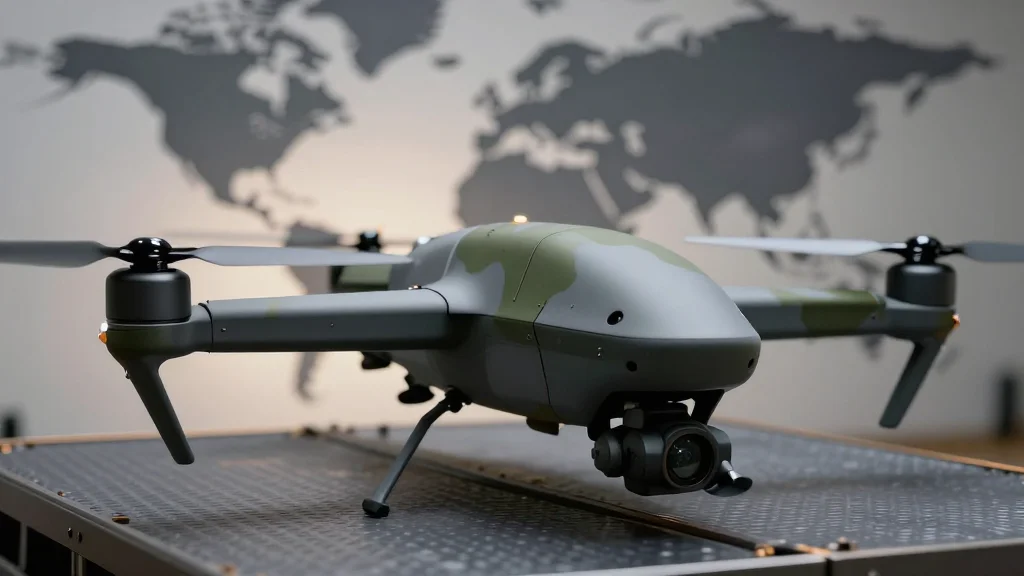
Ukraine’s Drone Surge Turns Kyiv Into Global Arms Supplier, Prompting U.S. Policy Re‑think

Why It Matters
Ukraine’s emergence as a drone supplier reshapes the global defense market by introducing a proven, low‑cost alternative to traditional Western UAVs. For the United States, this development forces a reassessment of procurement strategies, export controls, and alliance dynamics, especially as the Pentagon seeks to maintain technological edge while managing supply‑chain risks. The broader implication is a potential acceleration of drone proliferation among U.S. allies, which could enhance collective security but also raise the stakes of an arms race in unmanned systems. How Washington navigates these trade‑offs will influence the balance of power in contested regions from Eastern Europe to the Middle East.
Key Takeaways
- •Ukraine signed drone supply deals with Gulf monarchies and European partners, potentially delivering up to 5,000 UAVs annually
- •U.S. defense officials are reviewing integration of Ukrainian drones, priced $30k‑$150k, into training and forward‑deployed units
- •EU high representative Kaja Kallas praised Ukraine’s drone expertise as a model for modern security
- •U.S. policymakers face supply‑chain and export‑control challenges due to Russian‑origin components in some Ukrainian designs
- •Congressional hearings on drone procurement and technology transfer are slated for the next quarter
Pulse Analysis
The rapid commercialization of Ukrainian drone technology marks a watershed in how conflict‑born innovations can reshape global arms markets. Historically, wartime breakthroughs—such as the U.S. GPS system or Israel’s Iron Dome—have taken years to transition into exportable products. Ukraine’s accelerated path, driven by urgent battlefield needs and a desperate search for foreign financing, compresses that timeline dramatically.
From a market perspective, the influx of affordable UAVs threatens to undercut traditional Western manufacturers, compelling them to either lower prices or accelerate development of next‑generation capabilities. Companies like General Atomics and AeroVironment may need to pivot toward higher‑end, network‑centric solutions to stay relevant. At the same time, the U.S. defense establishment must grapple with the paradox of sourcing critical technology from a partner that remains vulnerable to Russian retaliation and cyber‑espionage.
Strategically, the United States stands to gain a flexible tool for low‑intensity conflicts and a deterrent against Russian UAV proliferation. Yet, deeper integration also risks entangling Washington in Ukraine’s geopolitical calculus, potentially limiting diplomatic flexibility with Moscow. The upcoming congressional scrutiny will likely focus on safeguarding intellectual property, ensuring component provenance, and establishing clear export‑control frameworks.
In the longer term, Ukraine’s success could inspire other conflict zones to commercialize indigenous drone capabilities, further democratizing access to advanced unmanned warfare. For U.S. security policy, the challenge will be to harness this new source of capability without compromising strategic autonomy or fueling an uncontrolled arms diffusion.
Ukraine’s Drone Surge Turns Kyiv into Global Arms Supplier, Prompting U.S. Policy Re‑think
Comments
Want to join the conversation?
Loading comments...