Ukraine’s Latest Defense Against Russian Missiles: Making Them Miss
Why It Matters
Lima offers a low‑cost, scalable alternative to expensive kinetic air defenses, preserving Ukraine’s limited missile stockpiles while degrading Russian strike accuracy. Its success signals a broader shift toward electronic warfare as a decisive factor in modern high‑intensity conflicts.
Key Takeaways
- •Lima units cost about $64,000 each, far cheaper than a Patriot missile.
- •Over 400 Limas have jammed 20,500 Shahed drones in 18 months.
- •System can divert missiles up to several kilometers off target.
- •Requires 30‑100 units to shield a major city, roughly $5‑6 million.
- •New Lima Quant version counters Russia’s upgraded Kometa anti‑jamming antennas.
Pulse Analysis
Electronic warfare has moved from a niche capability to a core pillar of Ukraine’s air‑defense strategy. With interceptor missiles such as Patriot PAC‑3 costing the equivalent of a single Lima unit, Kyiv faces a stark cost‑benefit dilemma. By targeting the guidance layer—specifically GLONASS and GPS signals—Lima forces hostile projectiles to rely on inertial navigation, which degrades accuracy by roughly two kilometres per 100 kilometres travelled. This approach not only stretches limited missile stocks but also creates a defensive depth that kinetic systems alone cannot provide.
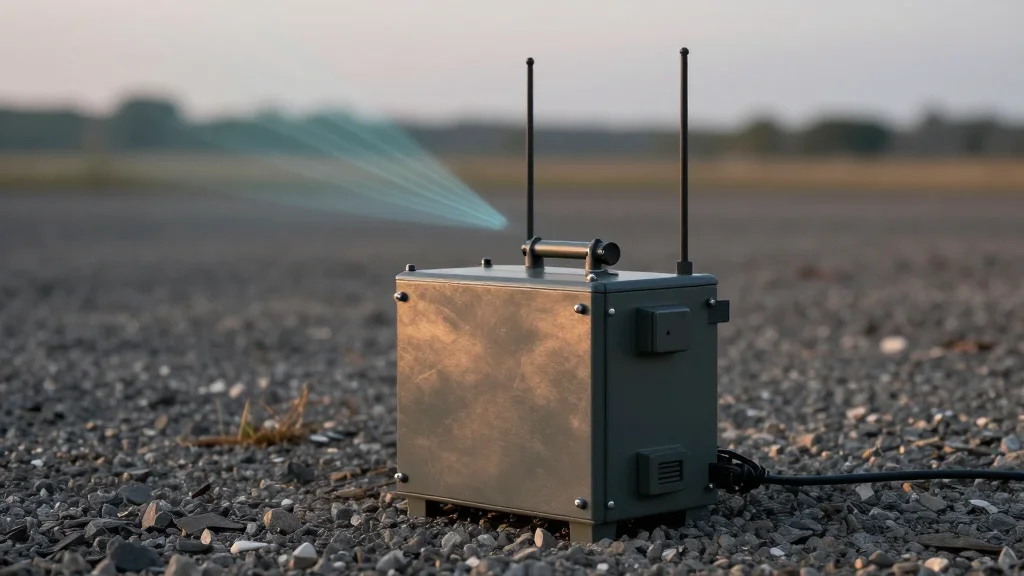
The Lima system, developed by Cascade Systems, combines high‑power jamming with sophisticated spoofing to inject false coordinates into Russian weapons. Each unit, priced at about $64,000, can protect a wide swath of terrain, and a deployment of 30‑100 units can blanket a major urban area for roughly $5‑6 million—comparable to the cost of a single high‑end interceptor. Since its fielding in mid‑2024, Lima has reportedly disrupted over 20,500 Shahed loitering munitions and redirected dozens of cruise and ballistic missiles, turning many potential strikes into harmless debris landing in open fields.
The ongoing cat‑and‑mouse game underscores the dynamic nature of modern conflict. Russia’s introduction of Kometa anti‑jamming antennas prompted a rapid Lima Quant upgrade that blends traditional spoofing with high‑frequency signals to overcome the new defenses. This iterative development cycle highlights how electronic warfare can outpace conventional arms races, offering a relatively inexpensive yet highly adaptable tool. As other nations observe Ukraine’s experience, Lima‑style solutions may see increased interest for protecting critical infrastructure against sophisticated missile threats worldwide.
Ukraine’s latest defense against Russian missiles: Making them miss
Comments
Want to join the conversation?
Loading comments...