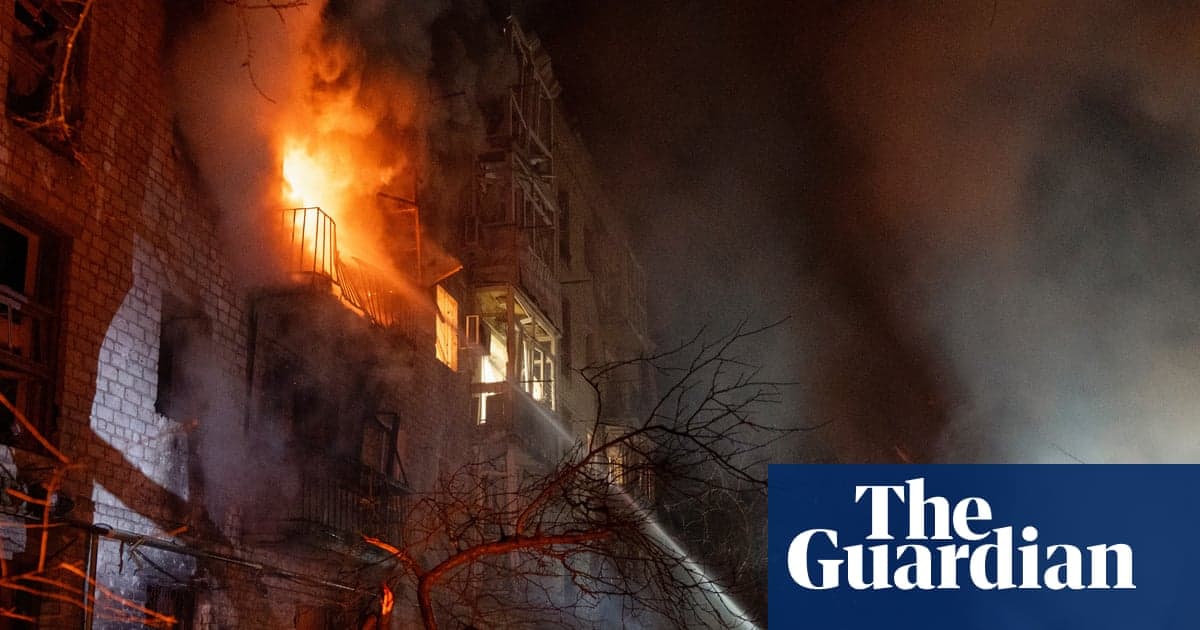
Ukrainian Civilian Casualties Surged by 26% in 2025, Say Researchers
•February 16, 2026
0
Why It Matters
The surge signals an escalation in Russia’s indiscriminate targeting, raising the risk of war‑crime violations and straining humanitarian aid. It also underscores a broader erosion of proportionality norms across multiple conflicts, challenging international accountability mechanisms.
Key Takeaways
- •26% rise in Ukrainian civilian casualties 2025.
- •2,248 killed, 12,493 injured in Ukraine.
- •Average 4.8 civilians per Russian strike.
- •Global civilian deaths fell 26% in 2025.
- •Israel and Russia caused most worldwide casualties.
Pulse Analysis
The 2025 spike in Ukrainian civilian casualties reflects a marked intensification of Russian strikes on densely populated areas and critical infrastructure. AOAV’s methodology, based on English‑language reports, captures a minimum baseline, suggesting the true human cost may be higher. The Dnipro incident, with over 300 injuries, exemplifies how combined missile and drone assaults can overwhelm local emergency services, eroding civilian resilience and prolonging displacement. This trend aligns with a broader pattern of urban warfare where precision is sacrificed for strategic pressure, raising urgent questions about compliance with international humanitarian law.
Across the globe, the overall decline in civilian casualties masks a shifting landscape of conflict. While Gaza’s cease‑fire contributed to a 26% drop in worldwide deaths, the share of casualties caused by Israel and Russia together rose to 67% of all recorded incidents. Simultaneously, protracted wars in Sudan, Myanmar and other regions continue to generate significant civilian harm, highlighting a systemic breakdown in the principle of proportionality. Experts warn that the normalization of excessive force erodes the legal and moral deterrents that once limited indiscriminate attacks, potentially redefining the baseline for acceptable wartime conduct.
For policymakers and humanitarian actors, the Ukrainian data signal an urgent need to reinforce protection mechanisms and accountability pathways. Strengthening real‑time monitoring, expanding multilingual reporting, and pursuing targeted sanctions against perpetrators could mitigate further civilian loss. Moreover, the international community must address the widening gap in the rules‑based order that currently hampers enforcement of war‑crime statutes. As the conflict persists into 2026, coordinated diplomatic pressure and robust aid delivery will be essential to curb the rising tide of civilian suffering and restore respect for humanitarian norms.
Ukrainian civilian casualties surged by 26% in 2025, say researchers
0
Comments
Want to join the conversation?
Loading comments...