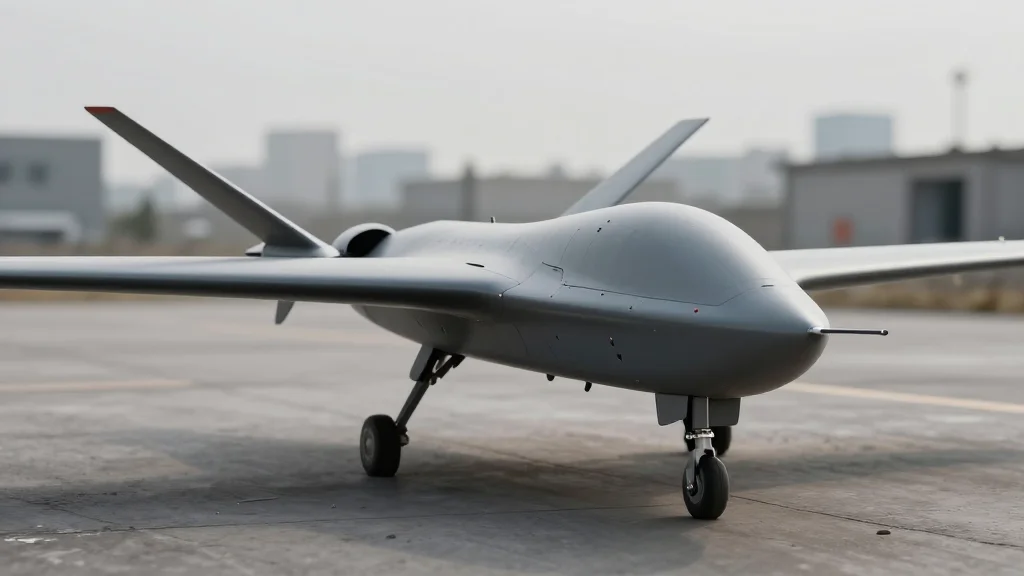
Ukrainian Civilians Face New Threat From Russia’s Upgraded Jet Drones
Why It Matters
The upgraded Russian drones could restore Moscow’s offensive edge, forcing Ukraine to accelerate costly counter‑drone innovations and heightening security risks for neighboring NATO members.
Key Takeaways
- •Russia's new jet drones reach up to 1,000 km range.
- •Warhead size increased, boosting destructive potential.
- •Russia targets 50% of strikes from jet drones.
- •Ukraine doubled drone interception rate in early 2026.
- •NATO neighbors report stray Russian drones crossing borders.
Pulse Analysis
The Russia‑Ukraine conflict has become a proving ground for unmanned aerial systems, and the latest Russian jet‑powered strike drones mark a significant leap in capability. Built domestically after early reliance on Iranian designs, these drones now boast a 1,000‑kilometer reach and larger payloads, enabling Moscow to launch hundreds of weapons in a single sortie. By expanding launch infrastructure in the Oryol region, Russia signals intent to integrate these platforms into up to half of its bombing operations, seeking to offset battlefield stalemates with long‑range, high‑impact strikes.
Kyiv’s response hinges on a rapid evolution of low‑cost interceptor drones that have already doubled the interception rate of Russian strike drones in the first four months of 2026. These home‑grown systems provide a scalable, affordable shield against the swelling volume of Russian attacks, but the sheer scale of the new jet drones will demand further technological breakthroughs. Ukrainian defense firms are now prioritising swarming counter‑measures and AI‑driven targeting to keep pace, while the cost‑effectiveness of their interceptors remains a strategic advantage in a protracted conflict.
The ripple effects extend beyond the front lines. Recent incidents of Russian drones breaching Romanian airspace and striking civilian structures have alarmed NATO allies in Poland, Finland and the Baltic states, underscoring the difficulty of defending against massed UAV attacks. As both sides refine drone tactics—Russia with networked swarms and direct operator control, Ukraine with cheap, high‑rate interceptors—the war offers a cautionary template for modern militaries worldwide. Nations must reassess air‑defense postures, invest in autonomous counter‑UAV technologies, and develop doctrines that address the growing prevalence of long‑range, jet‑powered drones in future conflicts.
Ukrainian civilians face new threat from Russia’s upgraded jet drones
Comments
Want to join the conversation?
Loading comments...