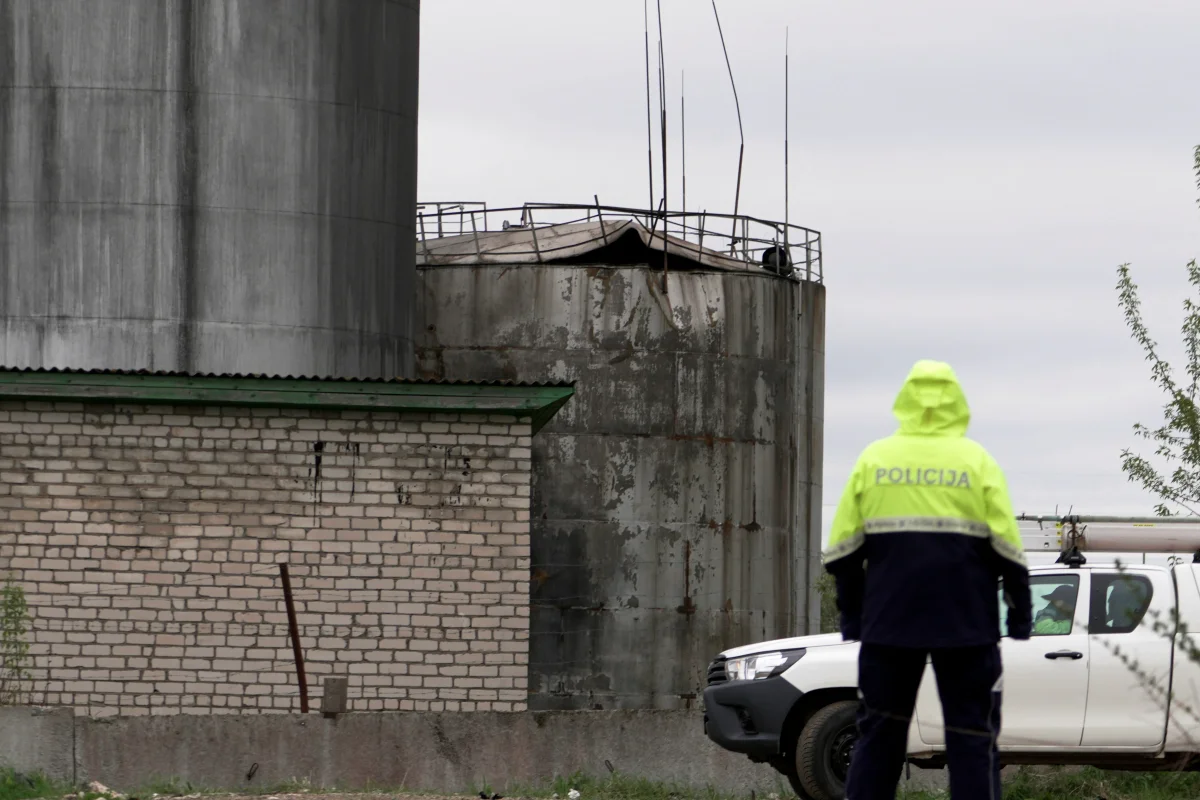
Ukrainian Drone Strike on Empty Baltic Fuel Depot Prompts Top-Level Resignation – in Latvia
Why It Matters
The episode exposes critical gaps in NATO’s air‑defence posture in the Baltics and forces political accountability within member states, while highlighting Russia’s use of electronic warfare to weaponise allied airspace.
Key Takeaways
- •Latvian defence minister resigns after drones hit empty fuel depot
- •Ukraine admits drones were launched, blamed Russian electronic warfare for diversion
- •NATO air policing scrambled French jets; Baltic states demand stronger air defenses
- •Incident highlights gaps in NATO’s eastern flank air defence capabilities
- •Schools closed and alerts issued, but no injuries reported
Pulse Analysis
The May 7 drone incursion underscores a new dimension in the Ukraine‑Russia conflict: the weaponisation of allied airspace through sophisticated electronic warfare. Russian jamming systems appear capable of hijacking Ukrainian strike drones, redirecting them into NATO territory. While Kyiv acknowledges responsibility for launching the unmanned aircraft, it attributes the miss to deliberate Russian interference, a claim that adds a layer of strategic complexity to an already volatile theatre. This development forces policymakers to reconsider the collateral risks of long‑range drone operations in densely populated regions.
Domestically, the incident precipitated a swift political fallout in Latvia. Prime Minister Evika Siliņa demanded the resignation of Defence Minister Andris Sprūds, citing a loss of public trust after his indecisive stance on whether to shoot down the drones. Sprūds’ departure and replacement by Colonel Raivis Melnis signal an urgent recalibration of Latvia’s defence posture. NATO’s rapid response—scrambling French Baltic Air Policing jets—demonstrated alliance solidarity, yet the inability to intercept the drones before impact highlighted operational shortcomings that allies can no longer afford to ignore.
Looking ahead, the Baltic states are leveraging the episode to press for a robust, layered air‑defence architecture across the alliance’s northeastern frontier. Calls for additional radar coverage, dedicated anti‑drone systems, and faster decision‑making protocols are gaining traction in NATO forums. Strengthening these capabilities will not only deter future misdirected strikes but also reinforce collective security assurances that are central to NATO’s deterrence strategy in the face of evolving hybrid threats.
Ukrainian drone strike on empty Baltic fuel depot prompts top-level resignation – in Latvia
Comments
Want to join the conversation?
Loading comments...