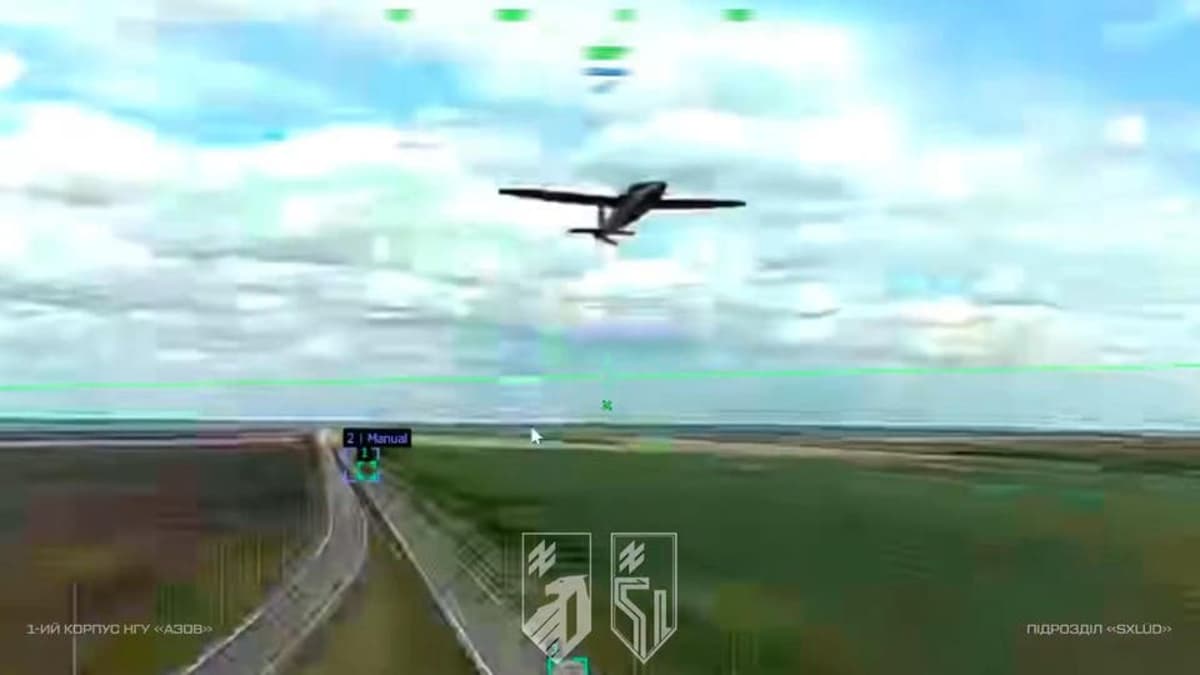
Ukrainian Drones Are Modernizing Siege Warfare
Why It Matters
The tactic erodes Russian operational endurance, forcing unit withdrawals and reshaping how modern wars isolate opponents without mass troop deployments. It signals a shift toward logistics‑centric, unmanned warfare that could redefine siege doctrine globally.
Key Takeaways
- •Ukrainian Hornet drones patrol 160 km into Russian‑held territory
- •Drone strikes repeatedly hit fuel and ammo trucks on key routes
- •Logistics pressure forces Russian units to conserve supplies and retreat
- •Autonomous loitering munitions bypass electronic‑warfare defenses
Pulse Analysis
The emergence of drone‑enabled sieges marks a watershed in modern conflict, where control of movement supersedes control of terrain. Ukraine’s deployment of the Hornet loitering munition—capable of 100‑plus kilometre range and AI‑driven target identification—allows continuous surveillance of supply corridors such as the T‑0509/H‑20 and M‑14/E58 highways. By striking logistics convoys at distance, Kyiv imposes the classic effects of a siege—resource depletion and morale erosion—while avoiding the high casualties and logistical burdens of a conventional encirclement. This approach leverages the low cost, high endurance and autonomy of unmanned systems to create a persistent, hard‑to‑counter pressure point on Russian warfighting.
Beyond Mariupol, the doctrine is spreading across the southern front, where drones target fuel, ammunition and food trucks supplying Russian forward units and isolated “kill zones.” The strategy exploits predictable road networks and the relative vulnerability of lightly armored transport vehicles, which lack the sophisticated counter‑UAV suites of frontline combat platforms. As Russian electronic‑warfare measures prove insufficient against autonomous loitering munitions, the cumulative attrition of supplies forces Russian commanders to ration ammunition, limit offensive operations, and in some cases abandon positions. Analysts note that this logistics‑centric warfare accelerates the attrition cycle, shortening the time required to achieve operational objectives.
The broader implication is a potential redefinition of siege warfare for the 21st century. Future conflicts may see occupying forces investing heavily in counter‑drone defenses and hardened supply routes rather than massive troop deployments for encirclement. Nations developing advanced UAV capabilities could adopt similar tactics to pressure adversaries in contested urban areas without causing widespread civilian infrastructure damage. As drone endurance, range and AI continue to improve, the line between conventional siege and remote interdiction will blur, reshaping strategic planning for both offensive and defensive militaries worldwide.
Ukrainian Drones Are Modernizing Siege Warfare
Comments
Want to join the conversation?
Loading comments...