Why It Matters
The upgrade bolsters Ukraine’s amphibious strike capability, enhancing flexibility in coastal and riverine operations amid ongoing conflict.
Key Takeaways
- •Three coastal defense brigades redesignated as Marine Brigades.
- •Total active Ukrainian Marine brigades rise to seven.
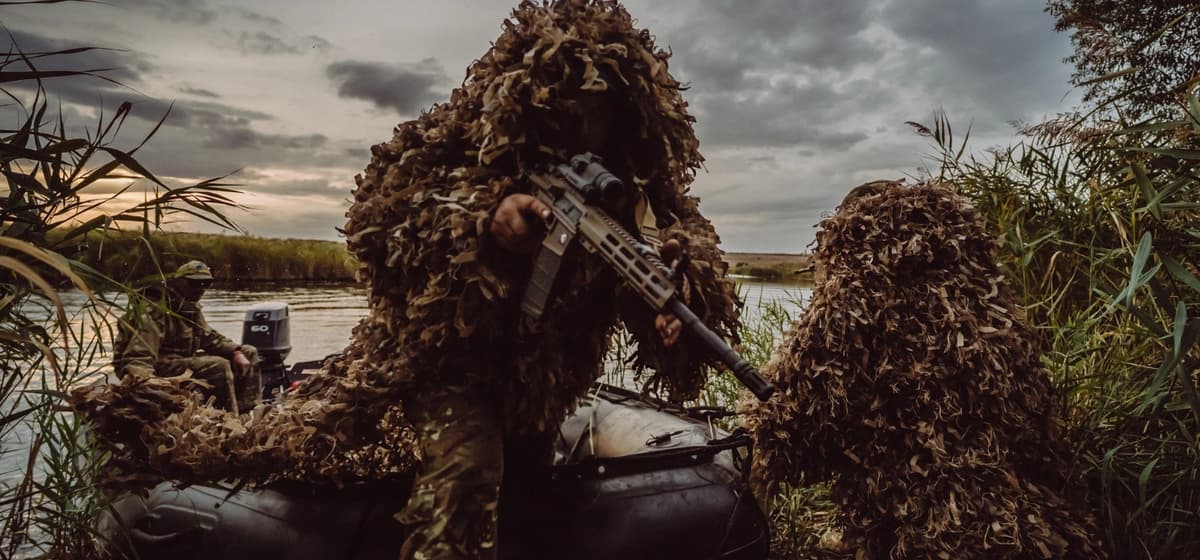
- •Units will train for amphibious assaults and water crossings.
- •New personnel slots created, expanding brigade manpower.
- •34th Brigade receives updated lynx-themed insignia.
Pulse Analysis
Ukraine’s Marine Corps has been reshaping its force structure since the war intensified, and the latest redesignation of three coastal defense brigades marks a decisive step toward a more offensive posture. Formed just over a year ago from Territorial Defense and mechanized units, the 34th, 39th and 40th brigades were originally hybrid formations focused on protecting critical shoreline infrastructure. By converting them into full‑fledged Marine Brigades, Kyiv signals a strategic pivot that aligns these units with rapid‑deployment doctrines and amphibious warfare capabilities traditionally reserved for elite naval infantry.
The operational impact of this reform is significant. Expanding personnel rosters and introducing specialized training for ship‑borne, boat, and helicopter insertions will enable the brigades to conduct offensive assaults across the Black Sea coast and inland waterways. This flexibility enhances Ukraine’s ability to seize or disrupt enemy supply lines, conduct counter‑offensives, and reinforce contested littoral zones. Moreover, integrating these brigades more closely with the Ukrainian Navy creates a unified command structure, streamlining logistics, intelligence sharing, and joint planning—critical factors in a high‑intensity conflict environment.
Regionally, the move underscores Ukraine’s commitment to modernizing its armed forces and may deepen cooperation with NATO partners seeking to bolster collective maritime security. The new insignia for the 34th Marine Brigade, featuring a stylized lynx, serves both as a morale booster and a visual cue of the unit’s upgraded role. As the conflict evolves, these expanded Marine Brigades could become pivotal assets in any future offensive or defensive operations along Ukraine’s extensive coastline and river networks.
Ukrainian Marines Reform Coastal Defense Brigades
0
Comments
Want to join the conversation?
Loading comments...