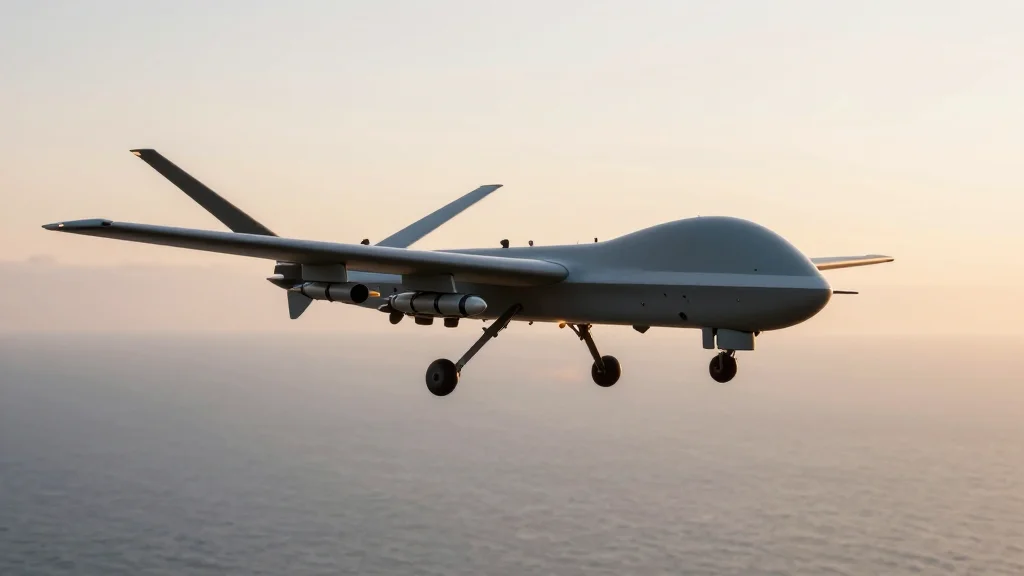
Ukrainians Tricked Out Their Long-Range Exploding Drones to Unleash Rocket Fire on Russian Air Defenses
Why It Matters
The tactic gives Kyiv a low‑cost, expendable way to suppress Russian air‑defense crews and strike strategic assets far from the front, eroding Russia’s layered air‑defense shield and reshaping deep‑strike warfare calculations.
Key Takeaways
- •Ukraine mounts up to eight unguided rockets on each long‑range drone
- •Pods enable strikes up to 500 km (≈310 mi) into Russian territory
- •Rockets cost a few thousand dollars, far cheaper than manned sorties
- •Drone warheads remain for primary targets while rockets engage air‑defense crews
- •Russia has similarly armed its drones, raising a new UAV‑missile arms race
Pulse Analysis
Ukraine’s latest adaptation of its long‑range FP‑1 and FP‑2 fixed‑wing drones reflects a pragmatic shift toward cost‑effective, expendable strike platforms. By bolting inexpensive unguided rockets—often the Ukrainian or Russian S‑8, priced at a few thousand dollars each—onto wing‑mounted pods, Kyiv can field a hybrid weapon that delivers a salvo of eight rockets while still retaining the 132‑pound warhead for high‑value targets. The drones, priced around $50,000‑$55,000, now possess a reach of up to 500 km, allowing them to operate deep in Russian rear areas without exposing pilots or expensive aircraft to hostile air‑defenses.
Operationally, the rocket‑armed drones serve a dual purpose. First, they can suppress or destroy Russian MANPADS crews and mobile air‑defense units that traditionally threaten UAV flights, clearing a path for the drone’s primary payload. Second, the ability to strike targets such as naval installations, ammunition depots, and logistics hubs from a distance of roughly 310 miles reduces the need for costly strike aircraft or attack helicopters, which are vulnerable to Russia’s layered surface‑to‑air missile network. The low per‑rocket cost also means losses are financially tolerable, turning each sortie into a relatively cheap attrition campaign.
The development signals a broader trend of arming unmanned systems with affordable munitions, a practice now mirrored by Russia, which has begun fitting its own Shahed‑type drones with missiles. This emerging UAV‑missile arms race forces both sides to rethink counter‑UAV strategies, emphasizing electronic warfare, directed‑energy weapons, and rapid‑response kinetic defenses. As more nations observe Ukraine’s success, the integration of cheap rocket pods onto long‑range drones could become a staple of asymmetric warfare, reshaping how deep‑strike capabilities are projected in future conflicts.
Ukrainians tricked out their long-range exploding drones to unleash rocket fire on Russian air defenses
Comments
Want to join the conversation?
Loading comments...